
Learning how to unclog a garbage disposal is essential when your sink is full of standing water and the unit just hums. It is one of those home problems that lands without warning and feels urgent the moment it happens.
Most disposal clogs clear up in under twenty minutes with tools you already own. Knowing the right order of steps is what separates a quick fix from an afternoon of frustration.
Keep reading as Manse explains how to identify what is blocking your disposal, which methods actually work, and when a clog is a sign of something bigger. You will also find a simple prevention plan to ensure this does not become a recurring problem in your kitchen.
Start With Safety and a Quick Check
Before you touch the disposal, cut the power. Skipping this step is the one mistake that turns a minor clog into a serious injury.
Turn Off Power Before You Touch Anything
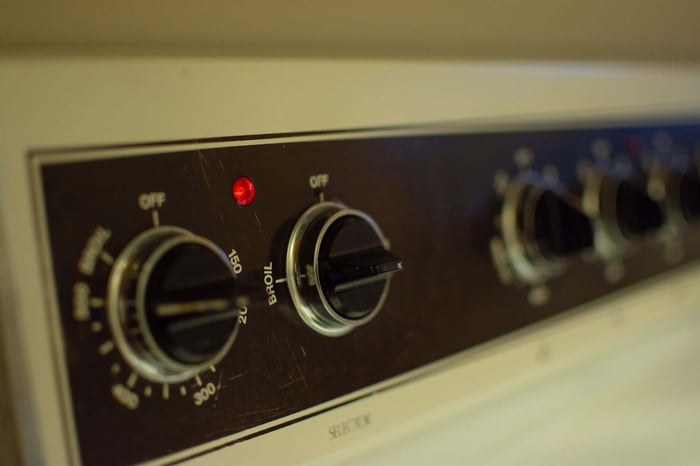
Go to your breaker box and flip the circuit that controls the disposal. Do not just turn the wall switch off. The switch can fail or get bumped, and the blades inside can move with very little provocation. Cutting power at the breaker eliminates the risk of the unit starting while your hand or a tool is near the opening.
Grab a flashlight once the power is off. Shine it into the drain opening and look before you do anything else. You might spot a bottle cap, a small utensil, or a chunk of food that is clearly stuck. Identifying the problem first saves you time and helps you pick the right fix.
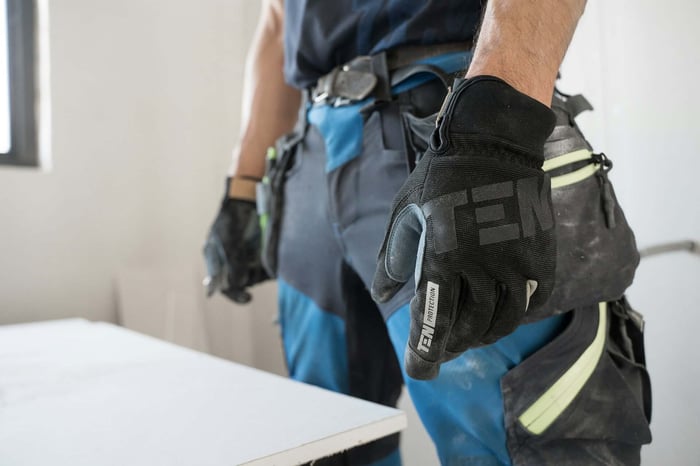
Put on rubber gloves before you reach in or use tools near the opening. The edges inside a disposal are sharp even when the unit is off.
Clear Standing Water and Check the Sink Opening
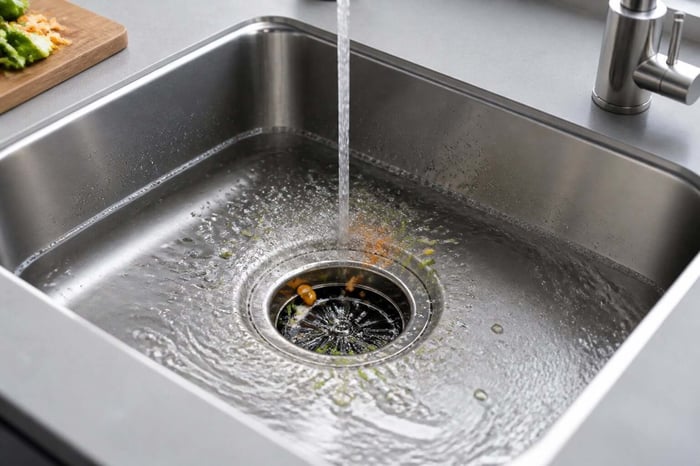
If your sink has standing water, bail or sponge out as much as you can before proceeding. Working with a full sink makes it harder to see what you are doing and can push debris deeper into the drain line.
Once the water is cleared, look into the drain opening again with your flashlight. Check whether the rubber splash guard, the black flap just inside the drain, is clean and seated properly. A buildup of old food and grease under that guard is very common and can cause slow draining on its own. Lift the guard flaps and wipe them clean if needed.
Knowing whether the opening is clear tells you whether the clog lives inside the unit or farther down the drain line, which determines your next move.
Identify What Is Blocking the Unit
The fix depends entirely on where the blockage is. A jam inside the grinding chamber looks and behaves very differently from a clog in the drain pipe.
Signs of a Food Jam
A food jam usually produces a humming sound when you turn on the disposal. The motor is running, but the impellers are stuck. You may also see the disposal trip its own reset button on the underside of the unit.
Common foods that cause jams include fibrous vegetables like celery and artichoke leaves, starchy foods like pasta and potato peels, and anything put in too quickly without enough water running. These materials either wrap around the impellers or pack into a dense mass the unit cannot push through.
If the disposal is completely silent and will not start at all, check the reset button first before assuming a jam. A small red or black button on the bottom of the unit pops out when the motor overheats. Press it back in and try again.
Signs of a Drain Line Blockage
A drain line clog behaves differently. The disposal runs normally and sounds fine, but water backs up into the sink and drains very slowly or not at all. You might also notice the other side of a double sink filling with water at the same time.
Symptom | Likely Location |
Humming but not grinding | Jam inside the unit |
Unit is silent, will not start | Tripped reset button or motor issue |
Disposal runs, but water backs up | Drain line blockage |
Both sink basins back up | Clog past the P-trap |
Foul odor without backup | Food buildup on splash guard or impellers |
Grease is one of the most common causes of drain line blockages. It coats the inside of the pipe and traps food particles over time. Soap, coffee grounds, and eggshells can contribute to the same kind of gradual buildup.
Once you know which type of blockage you are dealing with, you can move directly to the right fix.
Use Simple Methods to Free the Clog
Most disposal jams clear without any special parts or professional help. Start with the simplest approach and work from there.
Remove Visible Debris With Tongs or Pliers
With the power still off at the breaker, use long-handled kitchen tongs or needle-nose pliers to reach into the drain opening. Do not use your fingers. Pull out any visible debris: food chunks, fibrous material, or any foreign object you can grab.
Work slowly and check with your flashlight after each removal. Sometimes a single piece of debris is the entire cause of the problem.
Loosen the Impellers With an Allen Wrench
If the motor hums but the impellers are stuck, an Allen wrench is the right tool. Most disposals have a hex socket on the very bottom center of the unit, typically sized for a 1/4-inch Allen wrench. This is the socket the manufacturer intended for exactly this situation.
Insert the Allen wrench and crank it back and forth. You will feel resistance at first. Keep working it until the impellers rotate freely in both directions. This manually breaks up whatever is jamming the grinding plate.
Once the impellers move freely, remove the Allen wrench, restore power at the breaker, press the reset button if it popped out, and test the unit with cold water running.
Flush With Cold Water After the Jam Breaks Free
Once the disposal runs without humming or grinding, run cold water into the sink and let it run for a full minute. Cold water keeps the motor cool and helps push remaining food particles out through the drain line.
Do not run hot water during or right after clearing a jam. Hot water melts grease, allowing it to coat the inside of the drain pipe and contribute to future blockages.
If water still backs up into the sink after the jam is clear, the problem has moved to the drain line, and the next steps address that directly.
Try Sink and Drain Clearing Steps Next
A clear disposal does not always mean a clear drain. If water still backs up, the blockage is in the pipe below the unit.
Plunge the Drain Correctly
A standard cup plunger works well here. Before you plunge, cover the other drain opening in a double sink with a wet rag or stopper. This seals off the air gap and lets you build real pressure on the clogged side.
Add a few inches of water to the sink, place the plunger firmly over the disposal drain, and push down with steady, quick strokes for about 10 to 12 times. Pull the plunger off sharply on the last stroke to release the pressure. Check whether water drains.
Repeat two or three times if needed. If the water starts moving, run the disposal with cold water to flush the line completely.
Clean the P-Trap If the Water Still Will Not Drain
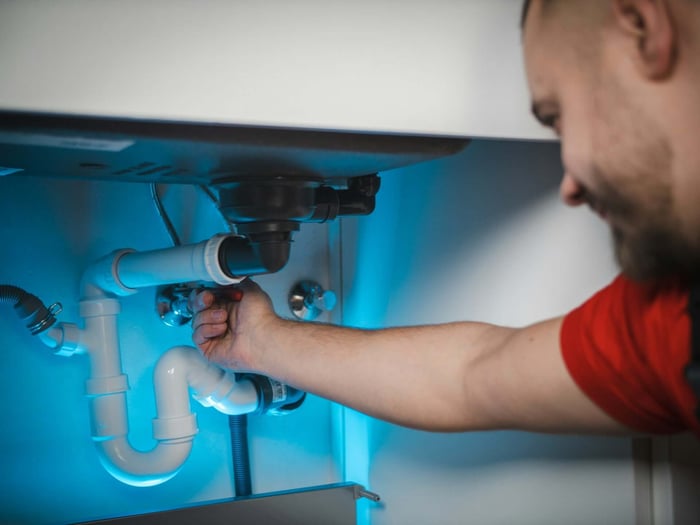
The P-trap is the curved section of pipe directly under the sink, usually shaped like the letter U. Grease, food sludge, and debris collect here and can cause a full backup that plunging alone will not fix.
Place a bucket under the P-trap before you loosen it. Unscrew the slip nuts by hand or with pliers and pull the curved section free. Clean it out completely, rinse it, and reinstall it. Check the short section of pipe that connects the disposal to the P-trap as well.
Once everything is back in place, run cold water and test the drain before running the disposal again.
Skip Harsh Chemical Drain Cleaners
Chemical drain cleaners are not safe for garbage disposals. Most disposals contain plastic and rubber components that degrade when exposed to caustic chemicals. The heat generated by the chemical reaction can also warp internal parts over time.
A mix of one cup of baking soda followed by one cup of white vinegar is a safer option for mild buildup. Pour the baking soda in first, then add the vinegar, and cover the drain opening to direct the fizz downward. Wait ten minutes, then flush with cold water. This works best as a monthly maintenance step rather than a fix for a full blockage.
If the drain is still not clearing after plunging and cleaning the P-trap, the problem is likely farther down the line.
Know When to Stop and Call a Plumber
Some disposal problems are not DIY fixes. Recognizing them early saves you time, money, and the risk of making the problem worse.
Warning Signs the Motor or Wiring May Be the Problem
If the disposal is completely silent and pressing the reset button does not restore it, the motor may have failed. A disposal that trips the breaker when you turn it on is also a sign of an electrical fault, not a clog.
Disposal is silent even after resetting
Unit trips the breaker immediately when switched on
Burning smell from the unit during or after use
Visible corrosion or damage around the wiring connections
Disposal leaks from the bottom, not just the side connections
Any of these symptoms means the unit needs a professional inspection. Attempting to open the motor housing or work on the wiring without proper training creates a real shock hazard. A plumber or appliance repair technician can quickly tell you whether a repair is possible or the unit needs replacement.
Repeated Backups That Point to a Larger Drain Issue
If your disposal backs up regularly, even after cleaning the P-trap and running maintenance, the issue is likely farther down the main drain line. Shared drain venting problems and partial blockages deep in the pipe system are common in older homes.
A plumber can use a drain camera to locate the blockage precisely rather than guessing. This is especially worth doing if other fixtures in the kitchen or nearby bathroom are also draining slowly. A pattern across multiple fixtures almost always points to a shared drain issue, not the disposal itself.
Getting a clear diagnosis now is far less expensive than dealing with a pipe failure or sewage backup later.
Prevent the Next Backup and Keep Better Records
Once the disposal is running again, a few simple habits keep it that way.
What Not to Put Down the Disposal
Most disposal clogs come from the same short list of offenders. Avoiding these items prevents most future blockages.
Cooking grease, oil, and fat
Fibrous vegetables: celery, artichokes, asparagus, corn husks
Starchy foods: pasta, rice, potato peels
Coffee grounds
Eggshells
Fruit pits and seeds
Bones and hard shells
Non-food items of any kind
These materials either wrap around the impellers, form dense clumps, or coat the drain pipe over time. Small amounts of soft food scraps are fine, but none of the items above belong in the disposal.
Simple Upkeep to Reduce Future Clogs
Run cold water for thirty seconds before and after using the disposal. This keeps the pipe clear and the motor cool. Let the disposal run for a full minute after the grinding stops so food particles flush completely through the drain line.
Once a month, run a handful of ice cubes through the disposal. The ice helps scour buildup off the impellers without damaging them. Follow that with a few citrus peels to cut grease and freshen the drain.
Use the disposal regularly, even when you do not have food scraps. Running cold water through it daily prevents the internal parts from corroding or seizing up from lack of use.
Track Manuals, Warranty Details, and Service History
The next time your disposal jams or stops working, you will want to know the model number, when it was installed, and whether it is still under warranty. That information is almost never at hand when you need it.
This is exactly the kind of record that disappears into a junk drawer or gets buried in an old email. Storing your disposal's details in Manse means the model number, installation date, warranty period, and any service history are in one private place you can pull up from your phone. If a repair technician asks whether the unit has had issues before, you have a real answer.
Add your home to Manse for free and keep all appliances, warranties, and maintenance records in one private place.
Frequently Asked Questions
Why Does My Disposal Just Hum Instead of Grinding?
A humming disposal means the motor is running, but the impellers are jammed and cannot rotate. Use an Allen wrench in the hex socket on the bottom of the unit to manually free the stuck plate, then press the reset button before turning it back on.
What Is the Safest Way to Clear a Jam Using the Reset Button and the Hex Key?
Cut power at the breaker first, then insert a 1/4-inch Allen wrench into the hex socket on the bottom of the unit and crank it back and forth until the impellers move freely. Remove the wrench, restore power, press the reset button, and run cold water before switching the disposal on.
How Can I Clear a Clog When the Sink Is Full of Standing Water?
Bail or sponge out as much water as you can before doing anything else. Then cut the power at the breaker and proceed with tongs or the Allen wrench method; working with a full sink makes it difficult to see into the drain and can push debris deeper into the pipe.
What Can I Do if I Do Not Have the Little Disposal Wrench That Came With It?
Any standard 1/4-inch Allen wrench from a home tool set fits the hex socket on most disposals. Hardware stores also sell replacement disposal wrenches for a few dollars if you prefer to have the original style on hand.
Is It Safe to Use Baking Soda and Vinegar for a Clog, and When Should I Skip It?
Baking soda and vinegar are safe for disposals and work well on mild grease buildup and odors. Skip this method if you have already poured any chemical drain cleaner down the drain, as mixing the two can cause a hazardous reaction.
How Do I Tell Whether the Clog Is in the Disposal Itself or Farther Down the Drain Line?
If the disposal runs normally but water backs up into the sink, the blockage is in the drain line, not the unit. If the disposal hums, will not spin, or trips its reset button, the problem is inside the grinding chamber itself.