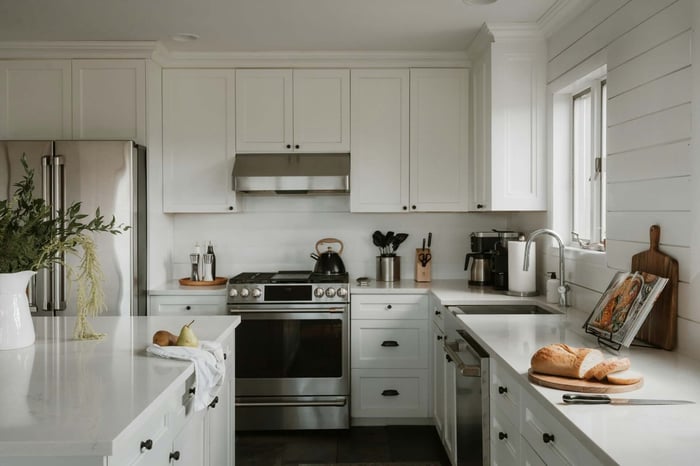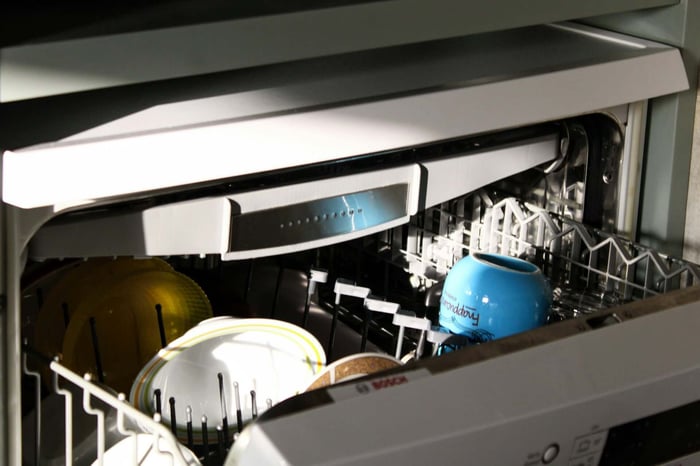

You already know the closing date is coming, and somewhere in the back of your mind is a nagging question: what happens to everything you know about this house once the keys change hands?
The HVAC guy's number, the year the water heater was replaced, which paint is on the bedroom walls. None of that lives on paper. It lives in your head, and your head is not moving in with the new owner.
A homeowner binder handover checklist gives you one clear list of what to leave behind, room by room, so years of knowledge about your house do not vanish the day you hand over the keys.
In this guide, you will learn what belongs in a handover packet, what should stay with you as the seller, and how to put it all together without losing a weekend to it. Most of this takes an afternoon, and some of it takes minutes if you have already been tracking your home's details.
What the Next Owner Needs Most
The next owner needs the three things that are hardest to reconstruct after you leave: appliance details, service history, and repair records. Everything else in a handover packet is helpful, but these three categories are the ones that actually save the new owner money and stress.
Think about what happens the first time something breaks after they move in. If a pipe leaks under the kitchen sink, the new owner needs to know if that's the original plumbing or something replaced two years ago. Without that, they're guessing, and guessing on a house you don't know yet is expensive.
Appliance Manuals, Model Numbers, and Warranty Details
Every appliance staying in the house should come with its model number, serial number, and any warranty paperwork you have. Buyers see this kind of detail as a sign the home has been cared for, right alongside deeds and maintenance logs. If a label is ever worn or hard to read, this guide to decoding appliance model numbers can help.
If you bought a dishwasher three years ago and it still has a year left on a manufacturer warranty, that detail matters to the next owner. Without proof of purchase, most manufacturers won't honor a warranty claim from someone who wasn't the original buyer, so include the receipt if you still have it.
Service History for HVAC, Water Heaters, and Major Systems
Hand over dated service records for your HVAC system, water heater, and any other major mechanical system in the house. This tells the new owner when filters were last changed, when the system was serviced, and whether anything is due soon. Building this habit into an annual home maintenance checklist while you still live there means the records already exist by the time you need to hand them off.
A water heater installed eight years ago with no service history looks like a ticking clock to a new owner. The same water heater with two documented flushes and a receipt from the plumber who installed it looks like a known, manageable asset.
Records of Repairs, Replacements, and Installed Equipment
List out every major repair or replacement you've made, with dates and who did the work. This includes things like a new roof, replaced water lines, upgraded electrical panels, or a new furnace.
Pass along contractor information alongside your past service records so the new owner can call the same providers if something needs attention again. Once you've captured this level of detail, the next step is to walk through the house to make sure you don't miss anything, room by room.
Your Room-by-Room Transfer List
Going room by room is the fastest way to make sure nothing gets left out of your handover packet. A written list organized by category, rather than one long unsorted page, also makes it far easier for the new owner to find what they need later.
This is where many sellers realize how much they know about their house that never got written down.
Kitchen and Laundry Appliances
Walk through the kitchen and laundry room and note every appliance staying in the home. For each one, record the brand, model number, approximate purchase date, and any manual or warranty you have on file.
- Refrigerator: model number, purchase date, warranty status
- Dishwasher: model number, install date, any repair history
- Range or oven: model number, gas or electric type
- Washer and dryer: model numbers, whether they're staying with the sale
Heating, Cooling, Plumbing, and Electrical Systems
List the age and type of your HVAC system, water heater, electrical panel, and any plumbing upgrades. These systems cost the most to replace, so any detail you can offer saves the new owner from starting blind.
Note the panel's amperage if you know it, whether the water heater is gas or electric, and the HVAC system's approximate installation year. If you've had any of these systems inspected recently, include that report too.
Paint Colors, Finishes, and Home Features
Write down the paint color and brand used in each room, along with any flooring or tile details you remember. This sounds minor until the new owner needs to touch up a wall and has no idea whether it's "Agreeable Gray" or something close.
Include details on cabinet hardware, countertop materials, and any custom features like built-in shelving. If you have extra keys, garage remotes, or gate codes, note where they'll be left.
Renovation Permits, Inspection Sign-Offs, and Contractor Contacts
Gather permits and inspection sign-offs for any renovation work you completed, along with contact information for the contractors who did the work. This protects the new owner if a permit ever needs to be referenced during a future sale or insurance claim.
If you added a deck, finished a basement, or upgraded electrical without a documented permit, say so plainly rather than leaving it for the new owner to discover. Once your room-by-room list is complete, the next question is which of these records should actually leave with you instead of the house.
Which Records Should Stay With the Seller?
Some paperwork belongs in the handover packet, and some belongs in your own files, not the new owner's. Getting this split right protects your privacy and keeps the packet focused on what actually helps the buyer.
The general rule is simple: anything tied to your finances or personal accounts stays with you, and anything tied to the house itself goes with the property.
Financial, Tax, Mortgage, and Insurance Documents
Keep your mortgage statements, property tax records, and homeowners insurance policy. These documents belonged to you as the owner, not the house, and the new owner will set up their own versions once they close.
According to IRS Publication 523, sellers should keep closing disclosures for about seven years to support their tax return and keep their deed indefinitely, since both can matter for tax purposes long after the sale.
Personal Account Details and Security Information
Remove your personal accounts from any smart home devices before handover, and change or reset codes tied to alarm systems, garage doors, and smart locks. The National Association of Realtors notes that you should wipe smart home device access of your account information and usage data so the new owner can set the device up under their own name.
- Reset smart thermostats, doorbells, and locks to factory settings
- Cancel or transfer utility accounts in your name
- Remove your Wi-Fi credentials from any connected appliances
- Change alarm codes and garage door codes before the final walkthrough
How to Separate Proof of Work From Private Paperwork
Keep the proof that work was done, but strip out anything that reveals how you paid for it. A repair invoice showing the plumber's name, the date, and the work performed is useful to the buyer. The same invoice showing your credit card's last four digits is not something they need.
For example, if you replaced a water heater in 2023, hand over the installer's contact info and the new unit's model number, but keep your payment receipt in your own tax file. Once you've sorted what stays and what goes, the next step is deciding how to actually package everything for handoff.
How to Assemble a Useful Handover Packet
A handover packet works best when it's organized clearly enough that the new owner can find an answer in under a minute. Whether you build it on paper or digitally, the goal is the same: quick answers, not a pile of documents to sort through later.
Closing day already generates a mountain of paperwork, so anything you can hand over organized saves the new owner from adding to that pile.
Choose Paper, Digital Files, or Both
A physical binder with labeled tabs works fine for a straightforward handover, and many sellers still prefer it because it feels final and complete. A digital folder, or a home record built inside an app, has the advantage of being searchable and easy to update later if you're keeping a copy for your next home.
Some sellers do both: a paper binder for the walkthrough and a shared digital folder as backup, which also protects against a lost or damaged physical copy.
Label Files So the Next Owner Can Find Answers Fast
Name each file or tab with what's inside it, not a vague label. "Whirlpool Dishwasher Manual and Warranty" tells the new owner exactly what they're opening, whereas "Appliances 3" does not. This resource for finding and storing appliance manuals covers a similar naming approach if you're starting from scratch.
Group related items together, such as keeping the water heater's manual, service records, and installer contact in one section instead of scattering them across the packet by document type.
Check Warranty Transfer Rules Before You Share Documents
Some manufacturer warranties transfer automatically to a new owner, while others require the original purchaser to register the transfer or don't transfer at all. Check the specific terms for any appliance still under warranty before assuming the coverage moves with the house.
If your dishwasher has two years left on a manufacturer warranty, note in the packet whether that coverage requires a transfer form or proof of the sale to remain valid.
Deliver the Packet Safely Before or at Closing
Hand over the packet at the final walkthrough or leave it in the home for closing day, rather than mailing it separately where it could get lost. If you're sharing digital files, use a secure link or shared folder rather than emailing sensitive documents as open attachments.
Confirm the new owner actually received it, either through their agent or in person, so the transfer isn't left to chance. With the packet built and delivered, the last step is to make sure it holds up to a final check before you leave.
Leave a Home Record That Lasts
A handover packet is only useful if it's accurate the day you hand it over, not a snapshot from six months earlier. A final review catches the gaps before they become the new owner's problem.
This last pass takes very little time compared to the peace of mind it buys both sides of the sale.
Review the Packet Before You Hand Over the Keys
Go through the packet one more time within a week of closing and confirm every document still matches the home's current condition. If you replaced a faucet or had a repair done after you first assembled the packet, add it before handing anything over.
Check that contractor phone numbers still work and that any warranty documents haven't expired between when you built the packet and closing day.
Build a Reusable Record Before Your Next Move
If you're moving to another home, you don't have to start over from scratch. Keeping a running digital home record, rather than rebuilding a binder from memory at your next sale, means you won't get caught scrambling again.
This is where a tool like Manse fits naturally into the process. Instead of assembling a handover packet under deadline pressure, you can build your home profile as you live in the house, tracking appliances, warranties, and maintenance as they happen, so exporting a record for the next owner takes minutes instead of a weekend.
Add your home for free and start keeping a record that's ready whenever you need to hand it off.
Frequently Asked Questions
What should be included in a homeowner handover packet?
A useful packet includes appliance manuals, model and serial numbers, warranty documents, HVAC and water heater service history, paint colors and finish details, and contractor contact information. It should also include permits and inspection sign-offs for any major renovation work completed while you owned the home.
Should I leave appliance manuals and warranties for the buyer?
Yes, leave any manuals and warranty documents for appliances staying in the home, since these help the new owner troubleshoot issues and file claims if something breaks. Include proof of purchase where you have it, since many manufacturers require it for warranty claims.
Which house documents should a seller keep after closing?
Keep your mortgage statements, tax records, and homeowners insurance policy for yourself, since these are tied to you personally rather than the property. Deeds and closing disclosures should also stay in your own files, with closing disclosures typically worth keeping for around seven years.
How do I give the next owner digital home records safely?
Share digital files through a secure link or shared folder rather than emailing sensitive documents as open attachments. Confirm the new owner has actually received and can open the files before closing day, so nothing gets lost in the handoff.
Do appliance warranties transfer to a new homeowner?
Some manufacturer warranties transfer automatically with the appliance, while others require a transfer form or proof of the original purchase date. Check each appliance's specific warranty terms before assuming coverage carries over to the new owner.
Selling isn't the only reason to have this ready. Start your free home profile with Manse now, and the next handover, whenever it happens, takes minutes instead of a weekend.