
You unlock the door to your first home and the kitchen is full of appliances you never bought. No manuals, no warranty cards, no idea how old that dishwasher really is. The laundry room is the same story: a washer and dryer left behind by strangers who never mentioned if they work well or barely limp along.
Move-in week is exactly when small gaps turn into expensive surprises. A first-time homeowner appliance checklist helps you capture what matters before a breakdown forces you to guess.
In this guide, you will learn what to check on every major appliance, how to record its identity and age even without paperwork, and what to document for warranties and safety shutoffs. None of it takes more than an afternoon, and most of it takes just a few minutes per appliance.
Find and Test Every Major Appliance
Every appliance in your new home needs a hands-on check in the first week, not an assumption that it works because the house passed inspection.
Inspectors check appliances for basic safety, not day-to-day performance. A dishwasher can pass a home inspection and still leak the first time you run a full load. Running each appliance yourself during move-in week catches problems while you still have leverage with the seller or a home warranty claim window open.
Kitchen Appliances to Check First
Start with the appliances you will use daily. Check these in order:
- Refrigerator: confirm both compartments cool properly and listen for unusual compressor noise
- Range or oven: test each burner and run the oven at a set temperature to confirm it heats evenly
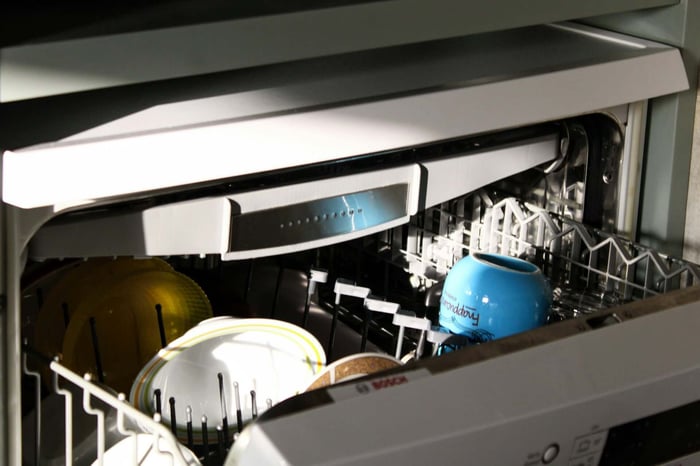
- Dishwasher: run a full cycle and check underneath for leaks afterward
- Microwave: heat a cup of water to confirm it works at full power
- Garbage disposal: run water and the disposal together to check for grinding sounds or leaks
Laundry and Utility Appliances to Check
Washers and dryers get skipped more often than kitchen appliances, mostly because they sit in a closet or basement out of daily sight. Run a full wash cycle and check for drainage issues, then run the dryer and confirm it vents properly to the outside.
Water heaters deserve the same attention. Check the tank for rust or moisture around the base, and note whether hot water runs out faster than expected during your first few showers.
How to Run a Basic Move-In Test
A simple test cycle on each appliance, run during your first week, catches problems before a holiday gathering or a lease deadline forces the issue. Set aside one afternoon and work through the house room by room instead of testing appliances only when you need them.
Write down anything unusual while it is fresh, even something small like a dryer that runs hotter than expected. Once you've tested every appliance, you are ready to record exactly what you own.
Record Identity and Age Before You Need It
Every appliance has a model number, a serial number, and an approximate manufacture date, and you need all three before anything breaks. Waiting until a repair call to look them up wastes time and can delay the appointment entirely.
A technician cannot schedule some repairs or order parts without a model number. Insurance adjusters ask for the same details after a claim. Getting this recorded during move-in week means you never have to search for it under pressure.
Model and Serial Number
The model and serial number usually sit on a sticker or metal plate somewhere on the appliance, though the exact spot varies by brand and type. Common locations include the door frame, the inside wall of the appliance, behind a drawer, or on the back panel. If a label is worn or hard to decode, this guide to decoding appliance model numbers can help.
Look for a label with two separate strings of letters and numbers. The shorter one is typically the model number, and the longer one is the serial number, which often encodes the manufacture date.
Approximate Manufacture Date
When you have no paperwork, the serial number is your best clue to an appliance's age. Manufacturers commonly build a code for the month and year into the first few characters of the serial number, though the exact format differs by brand.
For example, a refrigerator with no manual left behind might have a serial number starting with a letter for the production year and a number for the month. Cross-referencing that pattern against the brand's known coding system gives you a reliable estimate even with zero paperwork.
Clear Photos of Labels and Connections
Photograph every model and serial label the moment you find it. Labels fade with steam, heat, and time, and a photo taken now may be the only readable copy later.
While you are at it, photograph how each appliance connects to water, gas, or power. This matters most for anything with a hidden connection, like a water line behind a refrigerator or a gas line behind a range. Once you've identified and dated every appliance, the next step is to capture its condition and coverage.
Capture Condition, Coverage, and Safety Details
Beyond identity, every appliance needs a record of its condition, any warranty paperwork the previous owner left behind, and where its shutoffs are located.
This step turns your appliance list into something actually useful during a repair, a claim, or a safety issue. Skipping it means you are back to guessing the moment something goes wrong.
Condition Notes and Existing Problems
Write a short note on each appliance's condition while your first impressions are still accurate. A dishwasher that runs a little loud, a dryer that takes two cycles to fully dry a load, a fridge with a cracked shelf; all of these are worth a line in your records.
These notes protect you two ways. They give you a baseline for judging future decline, and they document pre-existing issues in case a dispute ever comes up with the seller.
Warranty Documents and Proof of Purchase
Check kitchen drawers, the garage, and any folder left in a closet for warranty cards or receipts the previous owner may have left behind. Registering appliance warranties is one of the most commonly missed steps after closing, simply because so much else competes for attention that first week. If any manuals are missing along with the warranty paperwork, this resource for finding and storing appliance manuals covers where to look next.
If you have no proof of purchase, contact the manufacturer directly with the serial number. Some manufacturers can confirm whether an appliance is still within its original warranty window even without a receipt.
Water, Gas, and Electrical Shutoffs
Every major appliance connects to water, gas, or a dedicated electrical circuit, and you need to know exactly where to cut that connection off. Knowing where your utility shutoffs are before an emergency is a core part of basic home preparedness, not just a nice-to-have, so finding them now means you won't be searching for a valve during an actual leak.
Note which breaker controls each major appliance, and label the panel if it isn't already labeled. Do the same for the water shutoff valve behind the washer and under the dishwasher.
Service and Maintenance History
Ask the previous owner or your real estate agent whether any service records exist for the HVAC system, water heater, or major appliances. Even a rough answer, like "the furnace filter was changed last spring," gives you a starting point.
If no history exists, treat every appliance and system as due for its next scheduled maintenance. With condition, coverage, and safety details recorded, you can figure out what needs attention first.
Decide What Needs Attention First
Not every item on your list needs action this week. Safety issues come first, missing paperwork comes second, and routine maintenance gets scheduled around your calendar.
Sorting your findings this way keeps move-in week from feeling like an emergency response to every small thing you noticed.
Safety Issues and Active Leaks
Anything involving gas, water, or exposed wiring gets handled immediately, no exceptions. A dishwasher that leaked during your test cycle, a water heater with rust at the base, or a range with a gas smell needs a professional call before you do anything else on this list.
Missing Records You Can Replace
Missing warranty cards and manuals rank second in urgency. Most manufacturers let you look up a manual or confirm warranty status online using the model and serial number you already recorded, so this step rarely requires an urgent call.
Handle these in the order they matter most to your budget:
- Warranty status on the most expensive appliances first (refrigerator, range, washer, dryer)
- Manuals for anything with a complex control panel or unfamiliar settings
- HVAC and water heater specs, since these are the costliest systems to replace
Maintenance Tasks to Put on the Calendar
Routine maintenance ranks last in urgency but still needs a firm date, not a vague intention. Filter changes, water heater flushes, and dryer vent cleaning all have known intervals you can schedule right away, the same way a broader home maintenance checklist keeps the rest of the house on a schedule.
Set these tasks against a real date instead of leaving them as a mental note. Once your priorities are sorted, the real challenge becomes keeping all of this information current as normal life resumes.
Keep Your New Home Records Ready When Life Gets Busy
The appliance details you gather this week only stay useful if you can find them again in six months, not just today. Move-in week enthusiasm fades fast once you unpack boxes and daily routines take over.
A folder started with good intentions during move-in week often ends up buried in a drawer within a year. Photos taken on your phone scatter across thousands of other camera roll images and become nearly impossible to search when you actually need one.
This is the exact gap Manse is built to close. Instead of a folder or a camera roll, you get one private place tied to your actual home, holding every model number, warranty document, and maintenance note you collected this week. Adding your home to Manse takes minutes, and the record stays with your address even if life gets busier than expected.
Consider a real scenario: your water heater starts leaking two years after move-in. If the model number, install date, and any warranty details are sitting in a searchable home profile, you know within seconds whether a call to the manufacturer is worth making. If that information only ever lived in a phone photo taken during a chaotic first week, you are stuck guessing again.
Frequently Asked Questions
What Are the Essential Appliances I Need to Document in a New House?
Document your refrigerator, range or oven, dishwasher, microwave, washer, dryer, water heater, and HVAC system first. These appliances are most likely to need a repair call, warranty check, or replacement decision in your first few years of ownership.
Where Can I Find an Appliance Model and Serial Number?
Check the door frame, the inside wall of the appliance, behind a drawer, or the back panel for a printed label. The label typically shows two strings of characters, a shorter model number and a longer serial number.
How Do I Find Out How Old an Appliance Is if the Seller Left No Paperwork?
Decode the serial number using the manufacturer's date-coding pattern, which often builds the production month and year into the first few characters. If the pattern is unclear, contact the manufacturer directly with the serial number to confirm the manufacture date.
Should the Previous Owner Leave Appliance Manuals and Warranties Behind?
There is no legal requirement for sellers to leave manuals or warranties, though many do out of courtesy. If none were left, most manufacturers let you look up a manual online using the model number, and some can confirm warranty status using the serial number alone.
What Is the First Appliance-Related Task to Do After Closing on a House?
Run a basic test cycle on every major appliance during your first week to catch leaks, drainage issues, or heating problems while you still have room to act. This single step, done before you even unpack your boxes, prevents most of the surprises that show up later.
Don't let move-in week enthusiasm be your only record. Start your free home profile with Manse and keep every model number, warranty date, and condition note in one place before you even unpack the boxes.