
Most home maintenance problems do not announce themselves. A furnace filter goes unchanged for eight months. A gutter fills with debris after a storm. A water heater sits untouched for three years past its recommended service date.
The tasks pile up invisibly, and you only notice when something stops working or a contractor quotes you a number that ruins your week.
Keeping records alongside the checklist matters just as much as the tasks themselves. When you cannot find the purchase date on your water heater or the filter size for your HVAC unit, small jobs get delayed. Manse gives you one private place to keep your home's appliance records, warranty dates, and maintenance notes so nothing disappears into a junk drawer.
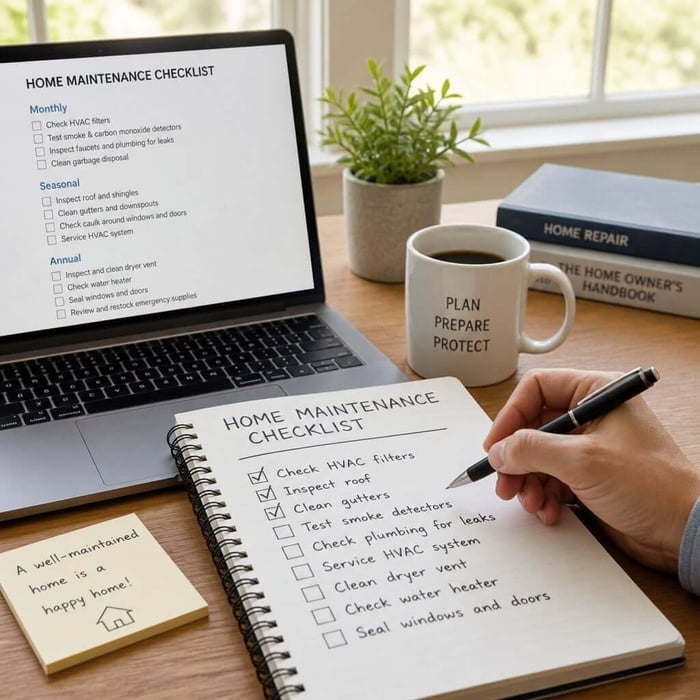
In this guide, you will find a full maintenance calendar broken into monthly, seasonal, and annual tasks. Each section includes specific actions, not vague reminders. The structure is built so you can scan it on your phone between jobs and still know exactly what needs to be done next.
How To Use This Maintenance Calendar
A calendar only works if you know what to do when you open it. This section gives you a system, not just a list.
Think of this guide as a reference you return to four times a year, at the turn of each season, plus a quick monthly check-in. You do not need to read it end to end every time. Bookmark the section that matches the current month and work from there.
What To Track Each Time You Finish a Task
After you complete any maintenance task, write down three things: what you did, when you did it, and what you noticed. That last part matters more than most homeowners realize. A small stain near a pipe or a filter that was dirtier than expected can signal a bigger issue coming. Without a record, that detail disappears within weeks.
A simple log does not need to be formal. A notes app, a spreadsheet, or a home profile in Manse all work. The goal is a record you can find a year later when you are trying to remember whether you already replaced the anode rod in the water heater or just planned to.
How To Prioritize Safety, Water, and HVAC Items
Not all tasks carry the same risk. When you feel behind, use this order to decide what gets done first.
Safety items first: smoke alarms, carbon monoxide detectors, fire extinguisher condition
Water-related second: leaks, drainage, gutter flow, shut-off valve access
HVAC third: filters, airflow, seasonal service
Everything else: cosmetic repairs, landscaping, appliance maintenance
When two tasks compete for the same weekend, this order keeps you focused on what actually protects your home rather than what feels most visible.
Monthly Tasks That Prevent Small Problems From Growing
A few consistent monthly habits catch issues while they are still cheap to fix. These are not deep-dive projects. Most take under 30 minutes combined.
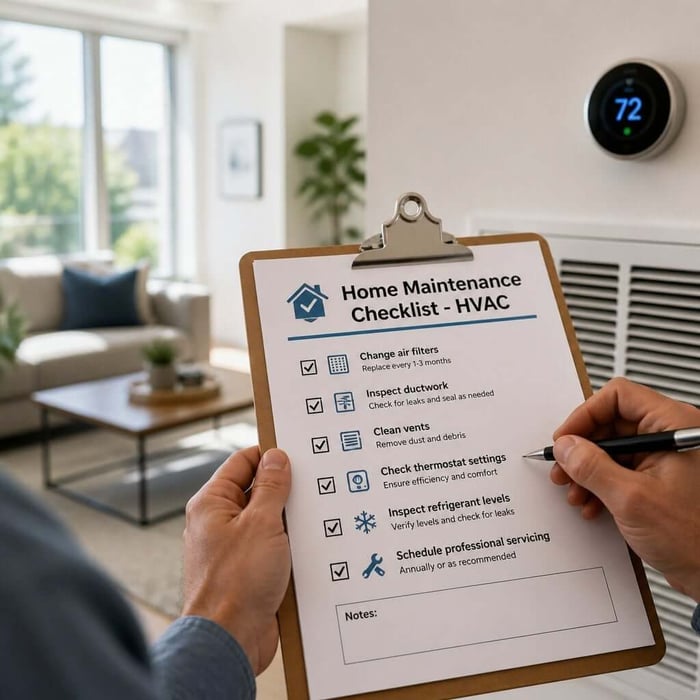
Replace HVAC Filters on Schedule
A clogged filter does more damage than most homeowners expect. It forces the blower motor to work harder, raises your energy bill, and can shorten the system's lifespan by years. In some cases, running a system with a blocked filter long enough can void the manufacturer's warranty.
Check your filter every 30 days. If you have pets or live in a dusty area, replace it monthly. In a smaller home with no pets and good air quality, every 60 to 90 days may be enough. Keep the filter size written somewhere easy to find, like on the inside of the air handler cabinet door, so you do not have to measure every time you buy a new one.
Test Smoke and Carbon Monoxide Alarms
Press the test button on every alarm in your home once a month. It takes less than two minutes and confirms the battery and sensor are both working. Replace batteries at least once a year, or switch to 10-year sealed batteries to eliminate that task entirely.
Carbon monoxide alarms have a lifespan of roughly five to seven years. The manufacture date is usually printed on the back. If yours is older than that, replace it regardless of whether it still beeps during the test. The sensor degrades over time even when the alarm sounds normal.
Monthly habit-building is the foundation, but seasonal tasks are where the bigger, costlier problems live.
Spring and Summer Upkeep for Weather, Water, and Cooling
Spring and summer put specific stress on your roof, drainage system, and cooling equipment. Catching problems early in the season is almost always cheaper than finding them mid-summer when contractors are at peak demand.
Check Roof Flashing and Exterior Damage After Storms
After any significant storm, take 15 minutes to walk your yard and look up. You are looking for lifted shingles, displaced flashing around chimneys or vents, and debris on the roof. You do not need to climb up. Binoculars or a phone camera with zoom can show most of what you need to see.
Flashing is the thin metal that seals the joints between your roof and vertical surfaces. When it lifts or cracks, water follows. That water does not always show up immediately inside your home; it can travel along rafters before dripping somewhere visible. Catching flashing damage early prevents a ceiling repair that costs ten times as much.
Clear Gutters, Downspouts, and Drainage Paths
Gutters clogged with spring debris are one of the most common causes of basement water intrusion. Water that cannot drain away from the house finds the path of least resistance, and that path is often through your foundation wall. Clean gutters in early spring and again in late fall after leaves have dropped.
Check that downspouts discharge at least four to six feet from your foundation. If they dump water right at the base of your house, add an extender. Also confirm that the grade of your yard slopes away from the house rather than toward it. Both fixes cost almost nothing and prevent expensive structural damage.
Service Cooling Equipment Before Peak Heat
Schedule your air conditioner service call in April or May, before the summer rush. Technicians are easier to book and often less expensive outside of peak season. During the visit, ask the technician to check refrigerant levels, clean the coils, and confirm that the condensate drain line is clear.
Between professional visits, keep the area around your outdoor condenser clear of grass, weeds, and debris. The unit needs airflow on all sides to run efficiently. A condenser buried in overgrowth runs harder and cools less.
The warm-weather tasks protect your home from the outside. The next set protects it from the inside when cold arrives.
Fall and Winter Prep to Avoid Cold-Weather Damage
Cold weather turns deferred maintenance into emergencies. A small draft in October becomes a frozen pipe in January. These three areas are where fall preparation pays off most.
Inspect Heating Systems Before Daily Use
Have your furnace or heat pump serviced before you need it daily. A technician should inspect the heat exchanger, check ignition, clean the burners, and confirm that the flue is clear. A cracked heat exchanger is a carbon monoxide risk. It does not always produce visible symptoms before it becomes dangerous.
If you have a gas furnace, also confirm that the pilot or ignition system is functioning and that you know where your gas shut-off valve is. That information matters if something goes wrong in the middle of the night.
Seal Drafts and Protect Exposed Plumbing
Run your hand along the bottom of exterior doors and around window frames on a windy day. If you feel air movement, add weatherstripping or door sweeps. Gaps that seem small in October can add meaningfully to your heating bill over a full winter.
Exposed pipes in unheated spaces, like garages, crawlspaces, or exterior walls, need insulation before temperatures drop below freezing. Pipe insulation foam costs a few dollars per foot and takes minutes to install. A single burst pipe can cause tens of thousands in water damage.
Clean Dryer Vents and Other Fire Risks
Dryer vent fires are common and preventable. Lint builds up inside the exhaust duct over time, and that buildup is flammable. Disconnect the duct from the back of the dryer annually and clear it fully from the dryer to the exterior vent cap. If your duct run is long or has multiple bends, a vent cleaning kit with a flexible brush makes the job easier.
While you are in the laundry area, check that the vent cap outside opens freely when the dryer runs and closes when it stops. A stuck or missing cap allows pests and cold air in.
Annual Deep-Cycle Items You Should Not Skip
Some maintenance tasks only need to happen once a year, but skipping them compounds quickly. These two cover the systems and spaces most likely to cause expensive surprises.
Flush the Water Heater and Review Appliance Wear
Sediment builds up at the bottom of a water heater tank every year. That sediment insulates the water from the heating element, forces the unit to run longer, and shortens its lifespan. Flushing the tank once a year removes the buildup. Attach a hose to the drain valve, run it outside or to a floor drain, and let the tank empty until the water runs clear.
While you are near the water heater, note the model number, serial number, and install date. Most manufacturers encode the date of manufacture in the serial number, and the expected lifespan of a tank heater is 8 to 12 years. Knowing where yours falls helps you plan rather than react when it finally fails.
Annual appliance review is also the right time to check refrigerator coils, dishwasher door seals, and washing machine hoses. A cracked washing machine supply hose can flood a room in minutes.
Inspect Attic, Crawlspace, and Foundation Conditions
These three spaces get ignored because they are uncomfortable to access. That is exactly why problems grow there unnoticed. Once a year, take a flashlight into each one and look for moisture stains, pest activity, damaged insulation, and any visible cracks in the foundation.
In the attic, confirm that insulation is even and that no soffit vents are blocked. Blocked vents cause moisture buildup, which leads to mold and rot in the sheathing. In the crawlspace, check that the vapor barrier is intact and flat on the ground, with no standing water or gaps at the perimeter walls.
Foundation cracks wider than a quarter inch, or cracks that are horizontal rather than vertical, warrant a professional opinion. Vertical hairline cracks in poured concrete are common and often cosmetic, but horizontal cracking in a block foundation can signal structural movement.
Keep the Checklist Useful Year After Year
A checklist you cannot find in six months is not much use. The real problem most homeowners run into is not that they skipped tasks. It is that they have no record of what was done, when, or what was found, so every year starts from scratch.
Frequently Asked Questions
What Regular Maintenance Should You Do To Keep Your Home From Turning Into a String of Small Emergencies?
Focus on monthly filter replacements, alarm testing, and a quick visual inspection of any area that comes into contact with water. Seasonal tasks like gutter cleaning and HVAC service fill in the larger gaps. Consistency with small tasks is what prevents the breakdowns that feel sudden but are actually the result of months of buildup.
Which Parts of Your Home Tend To Fail First if You Skip Routine Upkeep for a Few Months?
HVAC filters, gutters, and water heater maintenance are the most forgiving in the short term but the most damaging if ignored for a full season or longer. Smoke and carbon monoxide alarms with dead batteries are an immediate safety risk regardless of how recently they were installed.
How Do You Break Home Upkeep Into Weekly, Monthly, and Yearly Tasks You Can Actually Stick To?
Keep the weekly list to a maximum of two items, such as checking for slow drains or wiping down the range hood filters. Monthly tasks should take under an hour total. Seasonal and annual tasks are the ones worth scheduling on a calendar like a real appointment so they do not drift indefinitely.
What Are the Most Common Home Maintenance Issues Homeowners Miss Until They Get Expensive?
Dryer vent buildup, water heater sediment, and small gaps in roof flashing are the three that come up most often. None of them produce obvious symptoms early on. By the time you notice a longer drying cycle, lukewarm water, or a ceiling stain, the underlying problem has usually been developing for a year or more.
What Are the Basic Maintenance Skills You Should Learn So You Are Not Calling a Pro for Every Small Fix?
Learn how to shut off water at the main valve and at individual fixture shut-offs. Know how to reset a tripped GFCI outlet and a tripped breaker. Learn how to replace a toilet flapper, swap an air filter, and relight a pilot light. These six skills cover most situations where a homeowner calls a plumber or an electrician for something they could safely handle in 10 minutes.
How Do You Keep a Simple Maintenance Log for Your Home So You Can Find Warranties and Past Repairs Fast, and Keep It Private?
The simplest version is a dedicated notes document or spreadsheet organized by appliance and system, with columns for the task, the date, and any notes from that visit. Store it somewhere you will actually open it, not in a folder you created once and forgot about. Whatever system you use, the record belongs to you alone, not to a contractor or a platform that may disappear.
Store Records, Warranty Dates, and Reminder Notes in One Place
Think about the last time you needed to file a warranty claim or prove that an HVAC system had been serviced. If you had to dig through email, search a filing cabinet, or admit you had nothing, you already know the gap this fixes.
Add your home to Manse for free and keep all appliances, manuals, and maintenance tasks in one private place. Your records stay with your home, not scattered across inboxes and junk drawers. When something breaks, the purchase date, model number, and last service note are already in front of you.
Manse is free to start. Add your home in minutes and build the record you wish you had from day one.