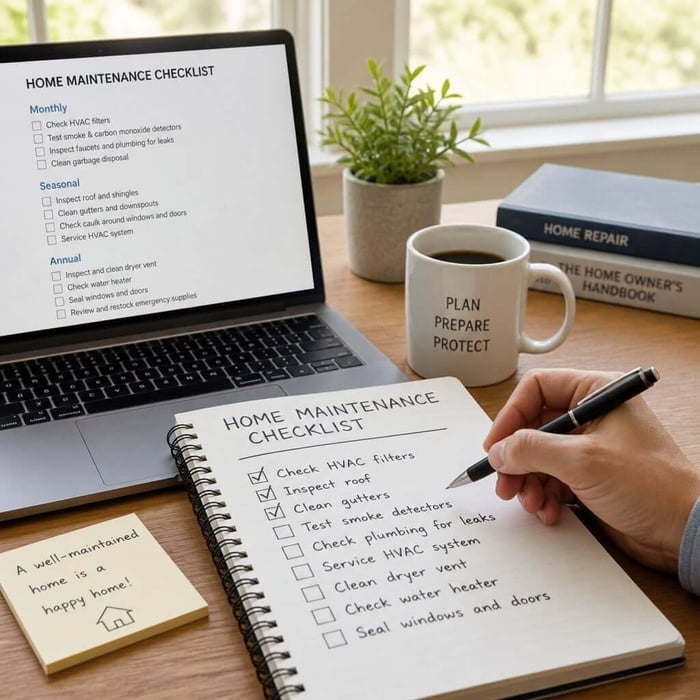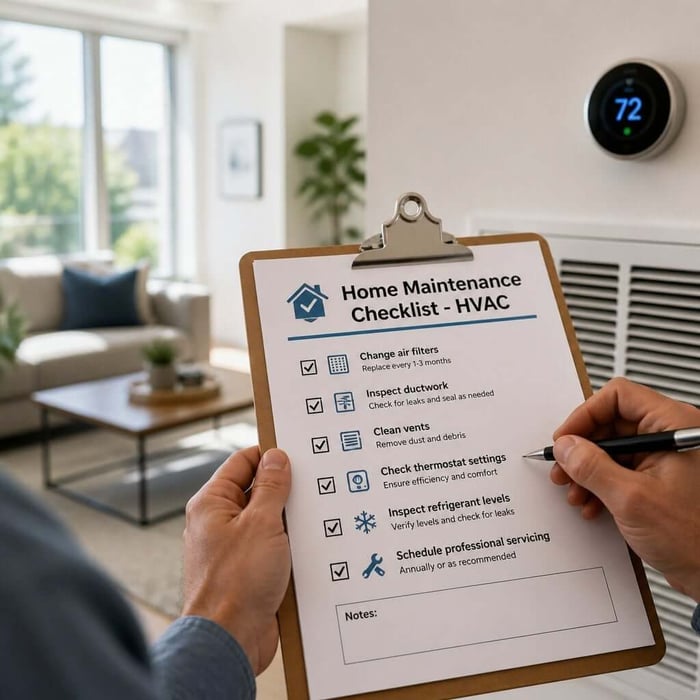

You are already stressed about what the inspector might find. Whether you are selling and hoping nothing comes up, or buying and trying to understand what you are walking into, the anxiety is the same: a home inspection can reveal problems that cost real money, and you want to know about them before they catch you off guard.
Keeping track of what an inspector flags, and what you plan to fix, is exactly where most homeowners lose the thread. That is where a tool like Manse can help. After an inspection, you have model numbers to log, warranties to file, and maintenance tasks to schedule. Having one private place for all of it means nothing slips through.
Keep reading to learn what a licensed home inspector actually checks, room by room and system by system. This guide covers every major category from roof to appliances, explains what gets flagged and what gets skipped, and ends with practical steps for acting on inspection findings. It is organized so you can scan it fast or read it straight through.
What a Standard Inspection Covers
A home inspection is a visual review of the systems and components that keep a house safe and functional. Knowing its scope up front helps you avoid misreading the report later.
Visible And Accessible Areas Only
Inspectors only examine what they can see and reach without moving furniture or dismantling anything. If a wall is finished, they cannot see the wiring behind it. If a crawl space is blocked, it may get noted as inaccessible rather than inspected.
This matters because it shapes what the report can and cannot tell you. An inspector who notes no visible signs of moisture is not saying the house is dry. They are saying moisture was not visible at the time of the visit.
The inspection typically takes two to four hours depending on the size and age of the home.
How Inspectors Document Defects
Most inspectors use a written report with photos attached. Findings are usually categorized by severity, such as safety hazards, major defects, or maintenance items. This helps you prioritize what to address first and what can wait.
A good report gives you a reference document you can take into negotiations or use to build a repair list. Ask for the report in PDF form so you can share it with contractors or keep it on file.
What Is Usually Outside The Scope
Standard inspections do not cover everything. The following items typically require a separate specialist and are not part of a general inspection:
Mold and air quality testing
Radon measurement
Sewer line scoping
Chimney interior inspection
Pest or termite evaluation
Asbestos or lead paint testing
Underground oil tank detection
Knowing what is excluded helps you decide which add-on inspections to order based on the home's age, location, and condition. Once you know the scope of a standard inspection, it is easier to understand why the exterior gets so much attention.
Roof, Exterior, And Drainage
The exterior of a home takes the most punishment from the weather, and inspectors spend a lot of time there. Problems on the exterior almost always become interior problems if left alone.
Roof Coverings And Flashing
Inspectors look at the roof covering material, its age, and its condition. Cracked, curling, or missing shingles get flagged. So does damaged or improperly installed flashing around chimneys, vents, and valleys, since that is where most roof leaks originate.
They also check the condition of the fascia, soffits, and gutters. Inspectors typically walk the roof when it is safe to do so, or use binoculars from the ground if the pitch is too steep.
Siding, Trim, And Windows
Inspectors look for cracked or missing siding, rot at the base of trim boards, and gaps around window and door frames where water can enter. Wood siding near grade is especially vulnerable to moisture damage and pest activity.
Windows are checked for broken seals, which appear as fogging between the panes. Exterior caulking that is cracked or missing is also flagged, since it is a common entry point for water.
Grading, Gutters, And Water Runoff
The ground around your home should slope away from the foundation. When it slopes toward the house, water pools against the foundation wall and can seep inside over time.
Inspectors check that the yard grades away from the home by at least six inches over the first ten feet. Gutters and downspouts are checked for secure attachment, clogs, and proper discharge of water far enough from the foundation.
Drainage findings often directly correlate with what the inspector will find in the foundation and basement sections of the report.
Foundation, Structure, And Attic Conditions
Structural findings are the ones buyers fear most, and for good reason. They tend to be expensive, and they can affect a home's insurability and lender approval.
Cracks, Movement, And Moisture Signs
Inspectors look for cracks in the foundation walls, floors, and the masonry or concrete around basement windows. Not every crack is serious. Hairline cracks in concrete block are common. Wide horizontal cracks or stair-step cracks in block walls are more concerning because they can indicate lateral pressure from soil.
Signs of past or active moisture are also documented, including staining, efflorescence (white mineral deposits on concrete), and any soft or damaged wood near the base of the walls.
Framing, Floors, And Load Paths
Inspectors check that the structure above the foundation is sound. This includes looking for cut or notched joists, sagging beams, and any repairs that appear to have been done incorrectly. Uneven floors often indicate something is shifting in the structure below.
The goal is to confirm that loads transfer correctly from the roof down through the walls to the foundation. Any break along that path is a defect worth investigating further.
Insulation, Ventilation, And Attic Red Flags
Attics are one of the most telling spaces in a home. Inspectors look for adequate insulation depth and coverage, proper ventilation between the soffit and ridge, and any signs of moisture on the sheathing.
Mold on roof sheathing is a common attic finding, and it almost always traces back to inadequate ventilation or to an exhaust duct (from a bathroom fan or dryer) that was incorrectly vented into the attic rather than outside. That one finding can generate significant remediation costs.
Once you know what the structure looks like, the systems inside the home tell the next part of the story.
Plumbing, Electrical, And HVAC Systems
These three systems are where the most expensive and most safety-critical findings tend to cluster. Inspectors give them significant attention.
Supply Lines, Drains, And Water Heater Age
Inspectors run every faucet, flush every toilet, and check under sinks for leaks. They look at the visible supply lines for signs of corrosion, improper materials (like unlined polybutylene pipe), and evidence of past leaks.
Water heater age is always noted. Most tank water heaters last 8 to 12 years. An inspector will check the installation date from the serial number and flag units that are past their expected lifespan. Pressure relief valves and proper discharge pipe connections are also checked for code compliance.
Panels, Wiring, And Safety Hazards
Inspectors open the main electrical panel and look for proper breaker labeling, signs of overheating, double-tapped breakers, and older panel brands with known failure histories. They test outlets throughout the home for proper grounding and polarity.
GFCI protection in bathrooms, kitchens, garages, and exterior outlets is checked and flagged when missing. Older homes wired with aluminum branch circuit wiring are noted for the fire risk associated with that material at connections.
Heating And Cooling Performance Issues
The inspector runs the furnace and air conditioner to confirm they respond to the thermostat. They check the condition of the heat exchanger in a gas furnace (a cracked exchanger poses a carbon monoxide risk), assess the age and condition of the equipment, and note any obvious ductwork problems.
Filter condition is checked, and a dirty filter is usually flagged as a maintenance item. Knowing the age of your HVAC equipment going into a purchase is genuinely useful. That is the kind of detail worth recording the day you close, so you are not guessing about replacement timelines three years later.
Appliances, Interior Areas, And Safety Items
The final categories of a home inspection shift focus from systems to the spaces and equipment you interact with every day.
Built-In Appliances And Functional Checks
Inspectors test built-in appliances that are included in the sale. This typically includes the range, oven, built-in microwave, dishwasher, garbage disposal, and built-in refrigerator. They confirm each operates as intended.
They are not testing for performance or energy efficiency. They are confirming that the appliance turns on, completes a cycle, and poses no obvious safety concern. A dishwasher that leaks under the door or a range hood fan that does not exhaust properly will be flagged.
Walls, Ceilings, Doors, And Floors
Inspectors look at the interior surfaces for signs of water intrusion, such as staining, soft drywall, or bubbling paint on ceilings. Cracks in drywall near door frames and windows can indicate structural movement.
Doors and windows are operated to confirm they open, close, and latch correctly. A door that binds or does not latch often points to a settling issue in the frame. Floors are walked for soft spots, squeaks, or uneven areas that suggest a problem below.
Smoke Alarms, GFCIs, And Other Basic Safeguards
Smoke alarms are tested for function and checked for placement. Current standards require alarms on every floor, in every bedroom, and outside sleeping areas. Older homes often have gaps. Missing or non-functional alarms are consistently flagged.
Here is what inspectors check in this safety category:
Smoke alarm presence and function on each level
Carbon monoxide detectors near sleeping areas (required in most states)
GFCI outlet protection in wet areas
Proper handrail height and attachment on stairs
No missing balusters or guardrails on elevated decks
Garage door auto-reverse function
These findings are almost always inexpensive to fix, but they carry real safety weight. Knowing which safety items came up in the report is useful long after the inspection closes.
How to Prepare and What to Do Next
The inspection itself is just one moment. What you do before and after it shapes whether the findings help you or catch you off guard.
Seller Fixes Before Inspection Day
Sellers who prepare thoughtfully tend to get cleaner reports. That does not mean hiding problems; it means fixing the obvious items that will show up anyway and slow negotiations.
Before the inspector arrives, walk through this list:
Replace every burned-out light bulb (a non-working light looks like a wiring problem)
Test all smoke and CO detectors and replace batteries
Clear access to the attic, crawl space, electrical panel, and water heater
Fix any dripping faucets and running toilets
Check that all doors latch properly
Make sure the HVAC filter is clean
Trim any vegetation touching the siding or roof
Sellers who address these items signal that the home has been maintained, which changes the tone of the entire inspection.
Buyer Questions To Ask After The Report
When you receive the report, do not just scan for red items. Read every section. Then ask your inspector these questions before your inspection contingency deadline:
Which findings do you consider safety hazards that need immediate attention?
Which items would you personally address before moving in?
Are there any findings that suggest a specialist evaluation is warranted?
How old is the roof based on what you observed, and what is its remaining life?
Is there anything in the report that would affect your ability to get homeowners insurance?
A good inspector will take the time to walk you through the findings and give you a clear sense of priority.
Organizing Records And Follow-Up Tasks
This is where most buyers lose momentum. You receive a 30-to 50-page report, flag a dozen follow-up items, and then close on the house. Six months later, you cannot find the report, you have no idea where the appliance model numbers are, and the deferred maintenance item the inspector flagged has quietly gotten worse.
The inspection report names real problems with real timelines. It often surfaces appliance ages, maintenance gaps, and repair needs that will cost money if ignored. Treating it as a living document, rather than a file to put away, makes the difference between staying on top of your home and reacting to emergencies.
Frequently Asked Questions
What Issues Are Most Likely to Fail Your Inspection and Derail the Sale?
No inspection technically "fails" a home, but certain findings give lenders or buyers reason to walk away. Active roof leaks, knob-and-tube wiring, foundation movement, and non-functional HVAC systems are the findings that most often stall a deal. Lenders sometimes require these issues to be resolved before approving financing.
What Is the Biggest Red Flag an Inspector Can Find in Your Home?
A cracked heat exchanger in a gas furnace is among the most serious findings because it creates a carbon monoxide risk. Structural foundation failure, active water intrusion into the living space, and evidence of recent unpermitted electrical work are also high-concern findings. These are items where a specialist evaluation is almost always worth the cost.
What Is a True Deal Breaker in an Inspection Report Versus a Negotiable Fix?
Deal breakers tend to involve safety hazards, structural integrity, or issues that affect financing eligibility. Negotiable fixes are items with a known repair cost that can be credited at closing or completed before the sale. Buyers should focus their negotiation energy on items in the first category and accept that most maintenance findings fall in the second.
What Parts of Your Home Are Not Checked During a Standard Inspection?
Standard inspections do not include radon testing, mold sampling, sewer scoping, chimney interior inspection, pest inspection, or pool and spa evaluation. These require separate specialists. If the home is older or has specific risk factors, ordering one or more of these add-ons is a reasonable decision.
How Can You Use a Simple Checklist to Prep Your Home Before the Inspector Arrives?
Walk the home the day before and address anything that signals deferred maintenance: replace dead bulbs, clear access panels, fix running toilets, and test smoke detectors. These small fixes do not hide real problems, but they prevent minor items from cluttering the report and distracting from bigger findings.
How Do Inspection Findings Affect Your Homeowners Insurance and Coverage Requirements?
Some findings can affect whether an insurer will bind coverage or at what rate. Older roofs, outdated electrical panels, and wood-burning stoves without proper clearances are common triggers. Your insurer may require certain repairs before or shortly after closing. It is worth asking your insurance agent to review the report before you finalize the purchase.
Take Control of Your Home Maintenance Today
A home inspection provides the clarity you need to make informed decisions about your property. Whether you are buying or selling, knowing the condition of major systems helps you avoid surprises and plan for the future.
Start organizing your home records with Manse today to turn your inspection report into an actionable plan for long-term maintenance.