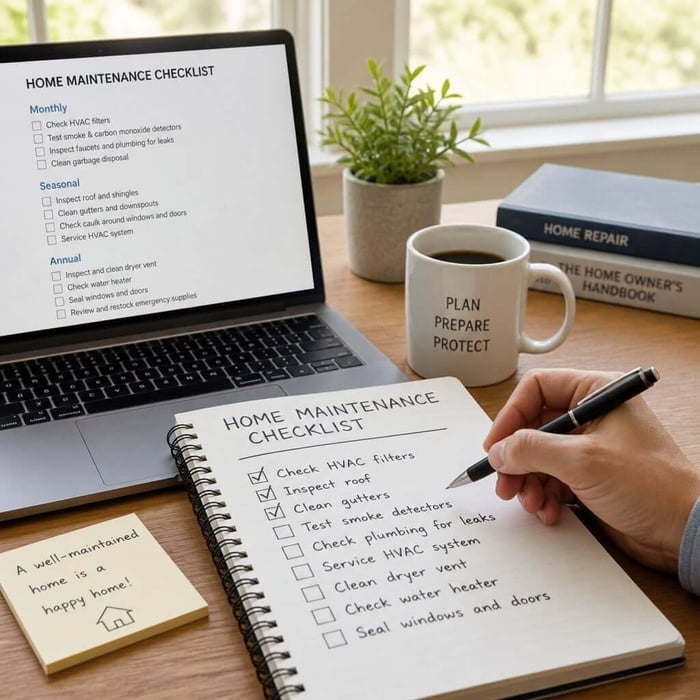

The list started somewhere reasonable. A sticky note on the fridge, maybe a reminder in your phone. Then the seasons changed, something broke, and you realized you had no record of when the HVAC filter was last replaced or whether the water heater was still under warranty.
Most homeowners know they need a maintenance plan. The part that trips people up is building one that holds together when life gets busy. That is exactly where Manse fits in: a private home record where your checklist, appliance details, and warranty dates live together in one place so they are there when you need them.
Keep reading to learn how to build a maintenance checklist from scratch, organized by timing and task details, with reminders to keep it alive. The steps are practical and direct, and you can start applying them today.
Start With the Systems That Cause Costly Problems
Skipping maintenance on a single system, like your HVAC or roof, can turn a $20 fix into a $2,000 repair. The fastest way to build a useful checklist is to start with the systems that carry the most financial risk if ignored.
List Core Home Systems
Your home runs on several overlapping systems. Each one needs different care at different intervals.
HVAC (heating, ventilation, air conditioning)
Plumbing (supply lines, drains, water heater)
Electrical (panel, outlets, smoke and CO detectors)
Roof and gutters
Foundation and drainage
Appliances (refrigerator, washer, dryer, dishwasher, range)
Exterior (siding, windows, caulking, deck or patio)
Start your checklist by listing every system present in your home. A newer build might not have a boiler. An older home might have a septic tank. Customize the list to what you actually have, not a generic template someone else built for a different house.
Tie Each Task to a Real Consequence
A vague task like "check HVAC" does not tell you anything. A specific task does: "Replace 1-inch furnace filter every 30 to 90 days or a clogged filter can void your equipment warranty and raise your energy bill."
Tying each task to a consequence is what makes the checklist feel worth doing. Once you know what is at stake, the next question is when each task needs to happen.
Sort Everything by Timing So It Is Easy to Follow
A checklist with no timing is just a list of worries. Sorting tasks by frequency is what turns it into something you can actually act on.
Monthly Must-Do Items
Monthly tasks take 15 to 30 minutes total when you build them into a routine. The goal is to catch small problems before they grow.
Test smoke and carbon monoxide detectors
Check HVAC filter and replace if dirty or if 30 days have passed
Run water in guest bathrooms to prevent drain seal evaporation
Inspect under kitchen and bathroom sinks for drips or moisture
Check that exterior dryer vent flap opens and closes freely
These items are quick. Most require no tools. The ones that get skipped are usually the ones with no visible signal, like a slow leak under a sink that goes unnoticed for three months before it warps the cabinet floor.
Seasonal Buckets for Spring Through Winter
Grouping tasks by season aligns your maintenance schedule with weather patterns and the way your home's systems cycle through the year.
Spring: Service the AC before you need it. Clean gutters after winter debris. Check the roof for winter damage. Inspect window and door caulking.
Summer: Test outdoor faucets and hose bibs. Check the deck or patio for loose boards or cracked concrete. Clean the refrigerator coils if accessible. Inspect attic ventilation.
Fall: Schedule furnace service before heating season. Clean gutters again after leaves drop. Drain and store garden hoses. Check weatherstripping on all exterior doors.
Winter: Test the garage door auto-reverse safety function. Check for ice dams if your climate requires it. Inspect exposed pipes in unheated spaces. Keep the water heater thermostat set no higher than 120°F.
Annual Jobs That Are Easy to Miss
Annual tasks tend to fall through the cracks because there is no season obviously attached to them. These are the ones most likely to sit undone until something fails.
Flush the water heater tank to clear sediment buildup
Have the HVAC system professionally serviced (ideally spring for AC, fall for heat)
Inspect the roof from the ground or have a pro check it
Test all GFCI outlets in bathrooms, kitchen, and garage
Check the attic for moisture, pests, or insulation gaps
Inspect the electrical panel for signs of corrosion or tripped breakers
With the timing structure in place, the next step is turning that structure into a real calendar you will actually open and use.
Build Your First Working Maintenance Calendar
A list in your head is not a calendar. Getting tasks into a format with actual dates is what separates a plan from an intention.
Choose a Format You Will Actually Use
The best format is the one you already use for other recurring commitments. If you live in Google Calendar, set HVAC filter reminders there. If you prefer paper, a printed monthly template pinned to the laundry room wall works just as well.
A few practical options:
Printed annual calendar: One page per month, tasks listed by week. Laminate it if you want to check items off and reset them.
Shared digital calendar: Works well for households with two or more people. Assign tasks so there is always a clear owner.
Spreadsheet: Useful if you want to log completion dates alongside the task, which becomes a maintenance history over time.
Home management app: Consolidates reminders, records, and appliance details in one place.
Avoid building a system so elaborate that maintaining it becomes a task in itself. Simpler formats get done more consistently.
Set Due Dates Around Weather and Warranties
Your calendar gets sharper when you attach tasks to real anchors instead of vague months. "Before the first freeze" is more useful than "November."
Some tasks have hard deadlines tied to warranties. Many HVAC manufacturers require documented annual service to keep the equipment warranty valid. If you miss that service and the unit fails, you may have to pay the repair bill out of pocket, even if the unit is only two years old.
Check the warranty documents for every major appliance in your home. Write the service requirement and expiration date directly in your calendar. This is one of the highest-value things you can do as a homeowner, and most people only discover the fine print after a claim is denied.
Add Clear Task Details So Nothing Gets Skipped
The difference between a checklist you actually finish and one you abandon is specificity. Vague reminders create friction; specific ones remove it.
Write Specific Actions Instead of Vague Reminders
"Check plumbing" means nothing when you are standing in the kitchen on a Saturday morning. "Look under the kitchen sink for moisture, drips, or staining on the cabinet floor" tells you exactly where to go and what to look for.
Write each task as a one-sentence action starting with a verb. Include the location, the tool or material needed if any, and the acceptance standard so you know when it is done.
Replace: Furnace filter (1-inch pleated, MERV 8 or per manufacturer spec) in the utility closet
Test: Smoke detector in hallway by pressing the test button until alarm sounds
Flush: Water heater tank by connecting a hose to the drain valve and running until water runs clear
This level of detail takes two minutes to write once and saves real confusion every time the task comes due.
Use Practical Examples for HVAC, Safety, and Plumbing
These three categories cause the most expensive and dangerous problems when maintenance slips. Here is what the tasks actually look like at the specific level:
HVAC: Replace the filter on a set schedule based on filter type and household conditions (pets, allergies, and dusty climates shorten the interval). Log the replacement date. If the unit is under warranty, keep the service receipts in the same place as the warranty paperwork.
Safety: Test smoke and CO detectors monthly. Replace batteries once a year even if the unit beeps fine, and replace the entire detector every 10 years. Mark the manufacture date on the inside cover with a marker.
Plumbing: Check supply lines to the washing machine, dishwasher, and refrigerator ice maker annually. Braided stainless lines last longer than rubber, but both should be inspected for bulging or cracks. A burst supply line can flood a home in under an hour.
With every task written at this level, the checklist becomes something a second person in the household can complete without having to ask how.
Make the Plan Stick With Reminders and Records
A checklist without reminders relies entirely on memory, and memory fails. This section is about building the system around the list to keep it running.
Assign Triggers, Alerts, and Owners
Every task on your checklist should have three things: a trigger (what starts the reminder), a due date, and an owner (who does it).
Triggers can be time-based (the first Saturday of each month), weather-based (before the first freeze), or event-based (after any storm with wind over 50 mph). Set digital reminders for time-based tasks. Write weather and event triggers directly on a printed list near the door or utility panel.
Assigning an owner matters in any household with more than one adult. Shared tasks with no designated owner consistently go undone. Assign by role, availability, or skill, and rotate if that works better.
Track Completion, Manuals, and Warranty Dates
Here is the pain most homeowners feel at the worst moment: the appliance breaks, you call the manufacturer, and you cannot find the purchase date, the model number, or whether the unit is still under warranty. You end up paying for a repair that should have been covered.
Keeping a log of what was done and when solves two problems at once. It builds a maintenance history you can reference when something goes wrong. And it becomes documentation if you ever sell the home, because a buyer who can see a record of consistent upkeep is a more confident buyer.
Add your home to Manse for free and keep all appliances, manuals, and maintenance tasks in one private place. Your records stay with you, not with a contractor or a platform that could change its terms.
The calendar and the records are now connected. The last step is making sure the whole system stays current as your home changes.
Keep Your Checklist Useful Year After Year
A checklist built once and never updated gets stale fast. A replaced appliance, a new roof, or a remodeled bathroom changes what you need to track and when.
Review What Changed After Repairs or Replacements
Every time a major repair or replacement happens, your checklist needs a small update. A new water heater has a different warranty period and a different flush schedule than the one it replaced. A new HVAC unit may require a different filter size or a specific service interval to keep the warranty valid.
Schedule a 15-minute checklist review each January. Go through every item and ask whether it still reflects what is actually in your home. Update model numbers, reset due dates for replaced equipment, and remove tasks for systems you no longer have.
This annual review is also a good time to pull out all warranty documents and confirm which are still active. Warranties on major appliances typically run one to five years, and most homeowners could not say off the top of their head which ones have expired.
Frequently Asked Questions
What Should You Put on a Weekly, Monthly, and Yearly Home Maintenance Schedule so Nothing Slips?
Weekly tasks are mostly visual: look for drips, pests, or anything that seems off. Monthly tasks include testing smoke detectors, checking HVAC filters, and inspecting under sinks. Annually, flush the water heater, have the HVAC serviced, test GFCI outlets, and inspect the roof.
How Do You Break Your Checklist Down by Season or by Month Without Making It Feel Like a Second Job?
Start by listing every task you already know about, then assign each one to a season based on weather logic. Spring gets AC prep and roof checks; fall gets furnace service and gutter cleaning. Monthly tasks should take no more than 30 minutes total to avoid burnout.
What's the Easiest Way to Build a Printable Checklist You Can Keep on the Fridge or in a Binder?
Use a simple two-column format: task name on the left, due date or frequency on the right. Group tasks by month or season, then print it on a single page. Laminating it lets you check off tasks with a dry-erase marker and reset it each month.
How Do You Turn Your List Into a PDF You Can Share With Your Partner or a Renter?
Build the checklist in any word processor or spreadsheet app, then export or print to PDF. Google Docs and Microsoft Word both do this in two clicks. Share the file directly or use a shared folder so both people always have the current version.
Which Maintenance Tasks Matter Most for an Older Home Versus a Newer Build?
Older homes need more frequent attention to plumbing supply lines, electrical panels, and roof flashing, especially if original materials are still in place. Newer builds focus more on keeping warranties valid through documented service and on catching early signs that builder-grade materials are wearing faster than expected.
How Do You Track What You Did and When So the Records Stay With You, Not Some App?
Keep a simple log in a spreadsheet or document that includes the task name, date completed, and any notes, such as the brand or part used. Export it to PDF once a year and save a copy in your home files.
Keep Your Home on Track in One Easy Place
A printed checklist works for the current year, but a digital record that stores your checklist alongside your appliance model numbers, warranty expiration dates, and service history works for every year after.
Manse is free to start. Add your home in minutes and build the record you wish you had from day one. When the HVAC fails at 9 p.m. on a Friday, you will want to know immediately whether it is still under warranty, what filter size it takes, and when it was last serviced. That information has value precisely when things go wrong, not when everything is running fine.