
You turn the shower handle all the way to hot, wait, and the water never changes. It stays cold. Now you are standing in a chilly bathroom wondering if this is a five-minute fix or a four-figure repair.
That uncertainty is the worst part. Most homeowners do not know their water heater's model number, how old it is, or whether it is still under warranty. So when the hot water stops, they end up guessing. A surprising number of hot water failures come down to a tripped breaker, an out pilot light, or a thermostat someone turned down, and you can check all three yourself in under ten minutes.
In this guide, you will find a safe, ordered way to narrow down why there is no hot water in the house, what each symptom usually points to, and the exact moment to stop and call a licensed pro. The answer is often simpler than it feels right now.
Start With the Fastest Safe Checks
Before you touch anything electrical or gas-related, figure out how big the problem actually is. Two minutes of looking tells you whether the issue is one faucet or the whole hot water supply.
Find Out Whether Every Fixture Is Affected
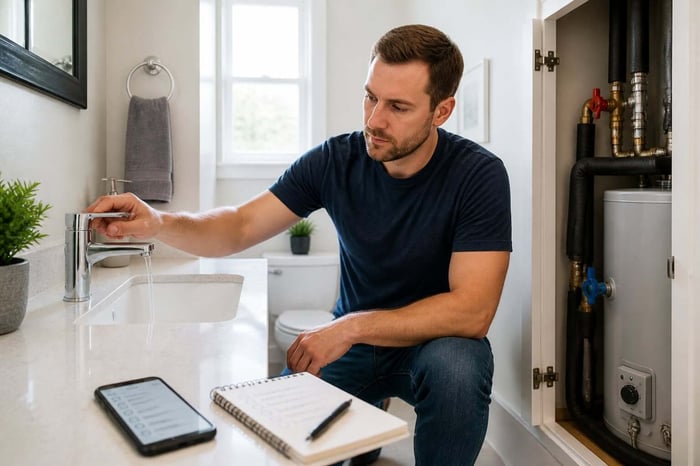
Run the hot side at the kitchen sink, a bathroom sink, and the tub. Let each one run for a full minute. Water heaters need a moment to push hot water down long pipe runs.
If every fixture runs cold, the problem is at the water heater or its power or fuel supply. If only one fixture is cold, the heater is probably fine. A clogged aerator or a failed mixing valve inside a single faucet or shower can block hot water at that one spot.
Showers are the most common offender because the mixing valve cartridge wears out and stops blending hot water in. Swapping that cartridge is a common repair and does not involve your heater at all.
Check Whether the Tank Needs Recovery Time
A tank water heater holds a set amount of hot water. Back-to-back showers, a load of laundry, and a dishwasher cycle can drain a storage tank water heater dry.
If your hot water runs out quickly and then comes back an hour later, nothing is broken in the usual sense. You may have an undersized water heater for how your household actually uses water. Cold weather makes this worse, because incoming cold water is colder and takes longer to heat.
Try this: stop using hot water for 45 to 60 minutes, then test again. If it is hot, you have a capacity or recovery issue rather than a failure.
Look for Leaks, Error Lights, and Unusual Sounds
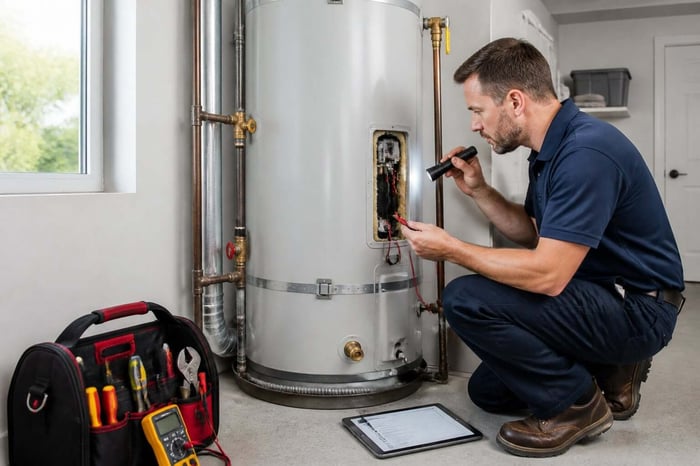
Now walk over to the tank-style water heater with a flashlight and look it over from top to bottom.
Water on the floor or rust streaks on the water heater tank, which can mean a leaking water heater tank
A steady drip from the pressure relief valve near the top or side
Moisture at the drain valve at the bottom
Popping, rumbling, or crackling while it runs
A blinking status light or error code on newer gas and electric models
If you find standing water, shut off the cold water supply valve above the tank and stop there. A leaking tank is not a troubleshooting project. Everything else on that list still leaves you room to check the basics.
Check the Power, Fuel, and Temperature Setting
A water heater with no power or no fuel cannot heat anything, and this is where most sudden cold water surprises end. Start with whichever applies to your unit.
Reset an Electric Water Heater Breaker Once
Open your electrical panel and find the breaker labeled for the water heater. Look for one that sits slightly out of line with the others. Flip it fully off, then back on.
Older panels may use a blown fuse instead. Replace it with the same amperage rating, never a larger one.
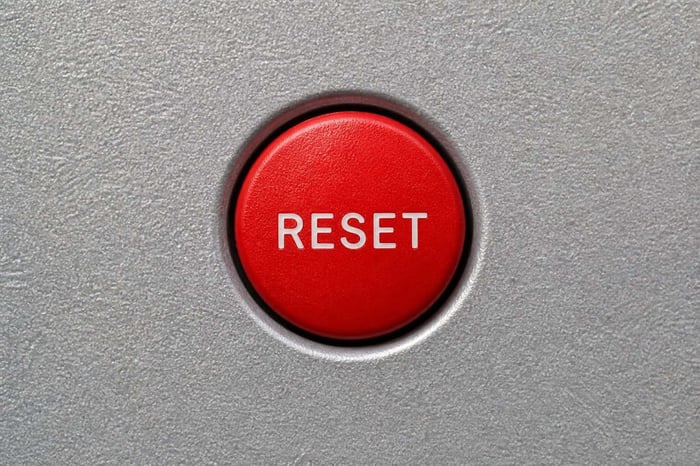
Many electric water heaters also have a red reset button behind the upper access panel. That is the high temperature cutoff switch. Press it once. If the breaker trips again or the reset pops again, stop and call an electrician, because a repeating trip usually means a failed element or damaged wiring.
Then wait. An electric tank needs 30 to 60 minutes to reheat before you can judge whether the fix worked.
Check the Pilot Light and Gas Supply
On a gas water heater, look through the small viewing window near the bottom. A steady flame means the pilot light is lit. Darkness means it is out.
Confirm the gas control valve is in the on position, then follow the relighting instructions printed on the label on the tank. Every model differs, so use the label, not memory.
If other gas appliances in your home are also acting up, you likely have a gas supply issue rather than a heater problem. Call your gas utility.
Confirm the Thermostat Is Set Correctly
The water heater thermostat should sit around 120 degrees Fahrenheit. That is hot enough for showers and dishes without scald risk.
Dials get bumped during cleaning, and vacation mode gets switched on and forgotten. Electric tanks have two thermostats behind the access panels, and both need to be set the same.
If power, fuel, and temperature all check out and the water is still wrong, the symptom itself will point you to the failing part.
Read more: How to Test a Water Heater Element When Hot Water Stops
Match the Symptom to the Likely Water Heater Fault
The way your hot water fails is the best clue you have. Each pattern points to a short list of parts.
When the Water Stays Completely Cold
On an electric water heater, a total loss of hot water usually means the upper heating element failed, or the safety cutoff tripped. The upper element heats the top of the tank, so when it dies, nothing gets warm.
On a gas water heater, completely cold water points to an out pilot light or a gas valve failure. If the pilot lights and the burner still never fires, the gas control valve is the usual suspect.
When the Water Is Only Lukewarm
Lukewarm water on an electric unit almost always means a failed lower heating element. The upper element still warms the top of the tank, so you get a little warmth and no more.
On gas units, water not hot enough often traces back to a dirty burner or an off gas-to-air ratio, which hurts energy efficiency along with temperature. A thermostat malfunction can also hold the burner back.
When Hot Water Runs Out Too Soon
If you already ruled out heavy use, two causes stand out. A cracked dip tube lets incoming cold water mix at the top of the tank instead of the bottom. And sediment buildup takes up real space, shrinking how much hot water the tank can hold.
Mineral deposits also insulate the heating element from the water, so the burner or element runs longer for less result. Flushing helps, but heavy buildup on an older tank often signals a heater near the end of its life.
Whatever you find, write it down while it is fresh. Get the model and serial number off the data plate, the install date if you can find it, the date of the repair, and the warranty status. Most tanks carry a six- to twelve-year warranty, and plenty of homeowners pay out of pocket for a covered part simply because nobody could find the paperwork.
When the Pilot Light Will Not Stay Lit
A pilot light that lights and then dies within seconds usually means thermocouple failure. That small sensor tells the gas valve the flame is present, and when it weakens, the valve shuts off the gas as a safety measure.
A clogged pilot orifice causes the same pilot light problems. Dust blocks the gas flow, and the flame starves. Poor venting can snuff it too.
Some of these are within reach of a confident homeowner. Others are not, and knowing the difference protects your home.
Know When to Stop and Call a Professional
Some hot water problems are simply not DIY territory. Gas, high voltage, and pressurized tanks all punish guesswork.
Treat Gas Smells and Carbon Monoxide Signs as Emergencies
If you smell gas near the heater, do not flip switches or relight anything. Leave the house, then call your gas utility or 911 from outside.
Watch for carbon monoxide warning signs too: soot around the burner area, a flame that rolls out of the combustion chamber, or headaches and nausea that improve when you go outside. Carbon monoxide poisoning is a real risk with a back-drafting gas water heater. Get out first, call second.
Call for Repeated Electrical or Control Failures
One breaker reset is reasonable. A second trip is a message.
Bring in a licensed electrician or a professional plumber when you see:
A breaker that keeps tripping or a reset button that pops again
Scorched, melted, or discolored wiring at the heater
A gas control valve that spins freely or feels seized
Error codes that return after you clear them
Plan for Repair or Replacement When the Tank Is Failing
Tank water heaters typically last 10 to 12 years. Tankless units often reach 20 years. If yours is past that range and needs a real repair, replacement usually makes better financial sense.
Water heater repair cost climbs fast once you are replacing valves or elements on an aging unit. Rusty hot water, a leaking water heater tank, or a third service call in two years all point the same direction. Replacing on your schedule beats replacing during a flood.
Once hot water is back, a little upkeep keeps you out of this situation next winter.
Read more: How Much to Budget for Home Maintenance?: Plan Smarter and Spend Less
Prevent the Next Cold Shower
Most water heater problems build slowly. Two habits handle the majority of them.
Keep Up With Flushing and Anode Rod Checks
Flush the tank once a year. Shut off power or gas, close the cold supply, attach a hose to the drain valve, and drain until the water runs clear. This clears the sediment buildup that steals capacity and kills heating elements.
Check the anode rod every three years. It sacrifices itself to corrosion so your tank does not rust through. Replacing a worn rod is far cheaper than replacing a hot water heater.
Own a tankless water heater? Descale it yearly, more often with hard water, since mineral deposits collect inside the heat exchanger.
Save the Details You Will Need for Service
The next time something goes wrong, the plumber's first questions will be about the unit itself. Have the answers ready.
Brand, model number, and serial number from the data plate
Installation date and who installed it
Warranty length and expiration date
Every repair date, part replaced, and what it cost
Last flush and last anode rod check
A photo of the label and a copy of the manual
Snap a picture of the data plate today and store it somewhere you will actually find it in a year. That one photo can cut a diagnosis call in half.
Frequently Asked Questions
Why Did Your Home Suddenly Lose Hot Water?
Sudden total loss usually comes from a tripped breaker or safety cutoff on an electric unit, or an out pilot light on a gas unit. A failed upper heating element or gas valve is the next most likely cause. Start with power and fuel before assuming anything expensive.
What Should You Check First When Your Hot Water Stops Working?
Test hot water at two or three different fixtures first. If every tap is cold, check the breaker or pilot light next, then the thermostat setting. If only one fixture is cold, the faucet or shower valve is the problem, not the heater.
Why Do Your Cold Taps Work but No Hot Water Comes Out?
Cold water reaches your fixtures directly from the main supply, so cold flow proves your plumbing is fine. No hot water means the heater is not heating, or its output is blocked by a closed valve or a failed mixing valve. Follow the hot line back to the tank and check it there.
How Do You Reset an Electric or Gas Water Heater?
On an electric unit, switch the breaker off and back on, then press the red reset button behind the upper access panel once. On a gas unit, turn the gas control valve to the off position, wait five minutes, then relight the pilot using the instructions on the tank label. Wait 30 to 60 minutes before judging the result.
Why Is There No Hot Water From Any Tap in Your Home?
Every tap running cold points to the water heater itself or its supply. Common causes include no power, no gas, a failed heating element, a thermostat problem, or a tank that has fully drained during heavy use. Age matters too, since a heater past 12 years may simply be done.
What Should You Do if Your Tankless Water Heater Is Not Heating Water?
Check for an error code on the display and match it to the manual, since tankless units report their own faults. Confirm the unit has power and gas, and make sure the flow rate is high enough to trigger heating. Scale buildup is the most common repeat offender, so descaling often restores performance.
Get Your Hot Water Back and Keep the Record
Most cold shower mornings end with something small: a breaker, a pilot light, a dial someone nudged. Work through the checks in order, and you will either fix it yourself or walk into the service call knowing exactly what to describe.
The part homeowners regret is not the repair. It is discovering later that the warranty covered it, or forgetting which year the element was replaced.
Manse is free to start with no credit card required. Add your home, log your water heater's model number, warranty, and service history, and the next time the water runs cold, you will already have the answers in one private place.