
Rob booked the AC tune-up two weeks ago, and now the technician is due in an hour. He has no idea where the filter box is, when the unit was last serviced, or if the warranty is still active. That scramble is exactly what turns a routine visit into a longer, more expensive one.
Getting ready for an AC tune-up does not take much time, but it changes how the whole appointment goes. A technician who can move straight to the work, instead of hunting for model numbers or waiting for you to find paperwork, finishes faster and catches more.
Keep reading to learn exactly what to gather, clear, and check before the technician knocks on your door. No jargon, no filler, just what you need to fix the problem and keep a record for next time.
Prepare Your Records Before the Appointment
Rob is standing by the front door with a folder of mismatched receipts, trying to remember which one is from the last ac service call. He knows there was a repair two summers ago, but he cannot recall what was replaced or what it cost.
This is the moment most homeowners realize they never had a real system for tracking appliance paperwork in the first place. A little upfront organizing means the technician spends the visit inspecting your system, not waiting on you to dig through drawers.
The records below are the ones worth pulling together before the technician even parks in the driveway.
Find the Model and Serial Numbers
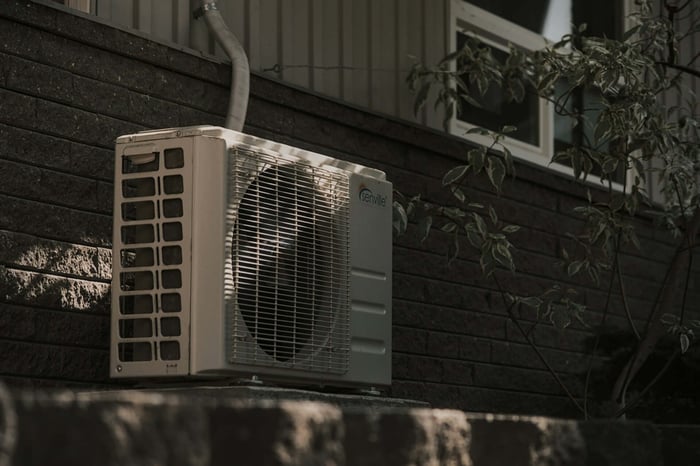
Your air conditioning system has model and serial numbers printed on a metal plate, usually on the outdoor condenser unit. Write these down or snap a photo before the technician arrives.
These numbers tell the HVAC contractor exactly what parts fit your system and whether it is still under manufacturer coverage. Skipping this step often means a second trip if something needs replacing. If you can't find the original paperwork, Manse's guide to finding and storing appliance manuals covers exactly where manufacturers keep this information online.
Gather Warranty and Prior Service Documents
Pull together any warranty paperwork, along with receipts from past ac repair work. If your system needed major repairs before, that history matters to a technician trying to diagnose a recurring issue.
Having a maintenance plan on hand, if you have one, also helps the technician know what has already been checked and what is overdue.
Write Down Recent Cooling Problems
Jot down anything odd you noticed lately: warm spots, strange smells, or a system that runs longer than usual. These small notes often point straight to the root cause.
A written list keeps you from forgetting details once the technician starts asking questions, and it can help avoid unnecessary repair costs down the line.
Make the Indoor and Outdoor Equipment Easy to Reach
Rob's condenser unit sits behind a row of overgrown shrubs, and the air handler in the closet has a stack of storage bins blocking the door. Neither one crossed his mind until the technician mentioned it at the door.
Clear access is one of the simplest things a homeowner can control before an ac tune-up, yet it is often the reason visits run long. A technician who has to move boxes or trim branches before starting loses time that should go toward the actual inspection.
Two spots matter most: the equipment itself, and the space directly around it.
Clear Access to the Air Handler and Thermostat
Move anything blocking the air handler, whether it is in a closet, attic, or utility room. The technician needs full access to check wiring, filters, and internal components.
Also make sure the thermostat is reachable and that you know your usual settings, since the technician will test how well the system responds to them.
Clear Debris Around the Condenser Unit
Outside, check the space around your condenser unit for leaves, grass clippings, or overgrown plants. A cluttered outdoor unit cannot pull in air properly, which strains the whole system.
Aim for at least two feet of clearance on all sides. This lets the technician inspect coils and fans without extra cleanup first.
Check the Filter and Drain Area
Look at your current air filter and note the date if you remember it, since filter replacement is one of the first things checked. Also glance at the condensate drain line and drain pan for standing water or visible dust buildup.
A blocked condensate line can cause water damage and reduced airflow, so flagging it early saves the technician a step.
Use a Simple Homeowner Readiness Checklist
Rob once sat through an entire tune-up without mentioning that one bedroom never seems to cool down. He forgot until the technician was already packing up the van.
A short written checklist keeps details like this from slipping your mind. It also gives you something concrete to reference next year, instead of relying on memory alone.
Run through this list the morning of the appointment, or even the night before.
Use this list as a quick pre-appointment run-through:
Filter change date: note the last time it was replaced, even if it's a guess.
Unusual noises or odors: write down anything strange, even if it seems minor.
Uneven cooling: mark which rooms feel warmer or cooler than others.
Recent utility bills: compare the last few months for unexplained spikes.
Visible vents: check for dust buildup, blockages, or bent covers.
Record the Last Filter Change
If you cannot remember the exact date, estimate as closely as possible. Filters affect cooling performance directly, and a technician will want to know if this has been neglected.
Note Noises, Odors, Water, and Uneven Temperatures
Odd sounds, musty smells, or a temperature difference between rooms often point to specific mechanical issues. These notes help the technician skip guesswork and move straight to testing.
Check Vents and Visible Ductwork
Walk through your home and look at accessible vents for dust or blockages. A basic ductwork inspection during your tune-up can catch airflow problems that quietly affect indoor air quality and drive up energy bills over time.
Know What a Professional Inspection Should Cover
Rob assumed his last tune-up covered everything, until a different technician pointed out the coils had never actually been cleaned. He had no way to know what was skipped the first time.
Knowing what a proper visit includes gives you a way to check the technician's work, without needing to become an expert yourself. It also helps you spot if a company is cutting corners.
Here's the full list, so you know if anything got skipped.
Coils, Airflow, and Heat Transfer
A proper tune-up includes cleaning both the evaporator coil and the condenser coil. Dirty coils reduce heat transfer, forcing the system to run longer than it should.
Cleaning both restores efficient airflow and helps the system reach target temperatures faster.
Refrigerant and Drainage Checks
Technicians should measure refrigerant levels to confirm the charge matches manufacturer specifications, and inspect the refrigerant lines for signs of a leak. Refrigerant handling requires EPA certification, so this step should never be a DIY job.
Drainage checks matter too, since a clogged line can lead to water damage inside your home.
Electrical Components and System Controls
A thorough visit tests electrical connections, capacitors, and contactors for wear. The technician should also check the compressor and blower motor, since these parts fail often and cause complete breakdowns when ignored.
System controls should be tested to confirm safety features work correctly.
Thermostat Accuracy and Performance Testing
Finally, the technician should confirm thermostat calibration is accurate. This step ensures your system responds correctly to the temperature you actually set, rather than running longer than needed.
Review the Visit and Set Up the Next One
Rob's technician handed him a clipboard at the end of the visit, listed a few minor recommendations, and left. Rob nodded along but never wrote anything down, and by the next season, he had forgotten every detail.
That gap is common, and it is usually the reason homeowners repeat the same conversation with a new technician every year. A quick review at the end of the visit, paired with a place to store what was said, changes that pattern.
Closing out the visit properly takes five minutes and saves the same conversation next year.
Ask for Findings and Recommended Repairs in Writing
Before the technician leaves, ask for a written summary of what was checked and anything they recommend. This matters whether you have a standard air conditioner tune-up or a mini-split system, since recommendations vary by setup.
Written notes prevent confusion later if a part fails and you need to reference what was flagged.
Understand Price Factors and Maintenance Value
Tune-up cost varies based on system size, condition, and region, generally landing between $75 and $200 for a standard visit, according to Carrier's 2026 pricing guide. Costs rise if the technician finds issues requiring parts or extended labor.
Routine preventive maintenance tends to cost less over time than reactive repairs, since small issues get caught early. Manse's seasonal AC maintenance checklist walks through the full year-round routine if you want to go beyond just the tune-up itself.
Keep Future Service Details Organized
Once the visit wraps up, note the date, findings, and any parts replaced somewhere you can find again next year. This single habit supports both efficiency and savings, since a documented history helps you and any future technician spot patterns faster. If you're weighing this cost against other home expenses, this guide on budgeting for home maintenance breaks down how much to set aside each year.
If your AC is back up and running, take two minutes to log the model number and warranty date in Manse. Free to start, and it is there the next time something goes wrong.
Frequently Asked Questions
What does an AC tune-up include?
A full tune-up covers a visual inspection, filter check, coil cleaning, refrigerant level check, electrical testing, and thermostat calibration. Technicians also test airflow and check the condensate drain for blockages.
How much does an AC tune-up usually cost?
Most standard visits cost between $75 and $200, according to Carrier's 2026 pricing guide, depending on your region and system size. Prices rise if the technician finds issues that need extra parts or labor during the visit.
Is an HVAC tune-up worth it for an older system?
Yes, older systems often benefit the most since small issues are more likely to appear as parts age. Carrier's lifespan data shows regular tune-ups can extend a system's life to 15-20 years, compared to failure near the 10-year mark for neglected units.
How often should a home air conditioner be serviced?
Most homes need one professional tune-up per year, ideally scheduled in spring before cooling season starts, per ENERGY STAR's maintenance guidance. Homes with heat pumps may benefit from a second visit before winter.
What should be included on an HVAC tune-up checklist?
A solid checklist covers filter replacement, coil cleaning, refrigerant checks, electrical testing, thermostat calibration, and a basic ductwork inspection. It should also include a final performance test to confirm proper cooling.
Can a tune-up help lower my summer cooling bills?
Yes, a clean, well-tuned system uses less energy to reach the same temperature. This often shows up as lower utility bills, especially if the system was neglected before the visit.
Ready When the Technician Knocks
Rob's scramble at the front door is easy to avoid. A few minutes spent finding the model number, clearing the condenser, and jotting down what's felt off lately turns a rushed appointment into a productive one.
The technician gets straight to work, the visit runs on time, and you walk away with a written record instead of a vague memory of what got checked.
Add your home to Manse and log the model number, warranty date, and every tune-up as it happens. It's free to start, and the next appointment starts with answers instead of guesswork.