
A cold front in the ten-day forecast is usually when the gutters come to mind, and by then furnace and roofing calendars are already filling up.
This fall home maintenance checklist covers 15 tasks across five areas: exterior, heating, plumbing, safety, and appliances. Most are quick weekend jobs, and a few are worth booking with a professional now.
What Should You Check Outside Before the First Storm?
The exterior takes the first hit from fall rain and the first freeze. Checking gutters, roof, windows, and walkways now keeps water away from the house and removes trip hazards before ice forms.
Clear Gutters and Downspouts
Clogged gutters spill water over the sides instead of carrying it through the downspouts, so it pools near the foundation. The EPA's guide to controlling moisture at home notes that water in the basement can come from missing gutters or water flowing toward the house, and that the ground should slope away from it.
With a ladder and gloves, scoop out leaves and debris, then run a hose through each gutter to confirm water flows to the downspout and exits away from the foundation. Homes surrounded by trees may need a second pass after the last leaves drop.
Inspect the Roof for Visible Damage
Look for missing, curled, or cracked shingles and any soft spots around chimneys and vents. Binoculars from the ground work well, and you should only walk the roof if it is low-pitched and dry.
The Department of Energy's guide to durable attics lists warped or rotted soffit and fascia boards, bubbled paint at the fascia or soffits, and worn or warped shingles at roof edges as signs of possible water intrusion.
A small leak found in October is usually a simpler fix than the same leak after a winter of freeze and thaw. For a fuller walkthrough, use this roof maintenance checklist, and book a roofer now if the roof is steep, aging, or already showing damage.
Seal Drafts Around Windows and Doors
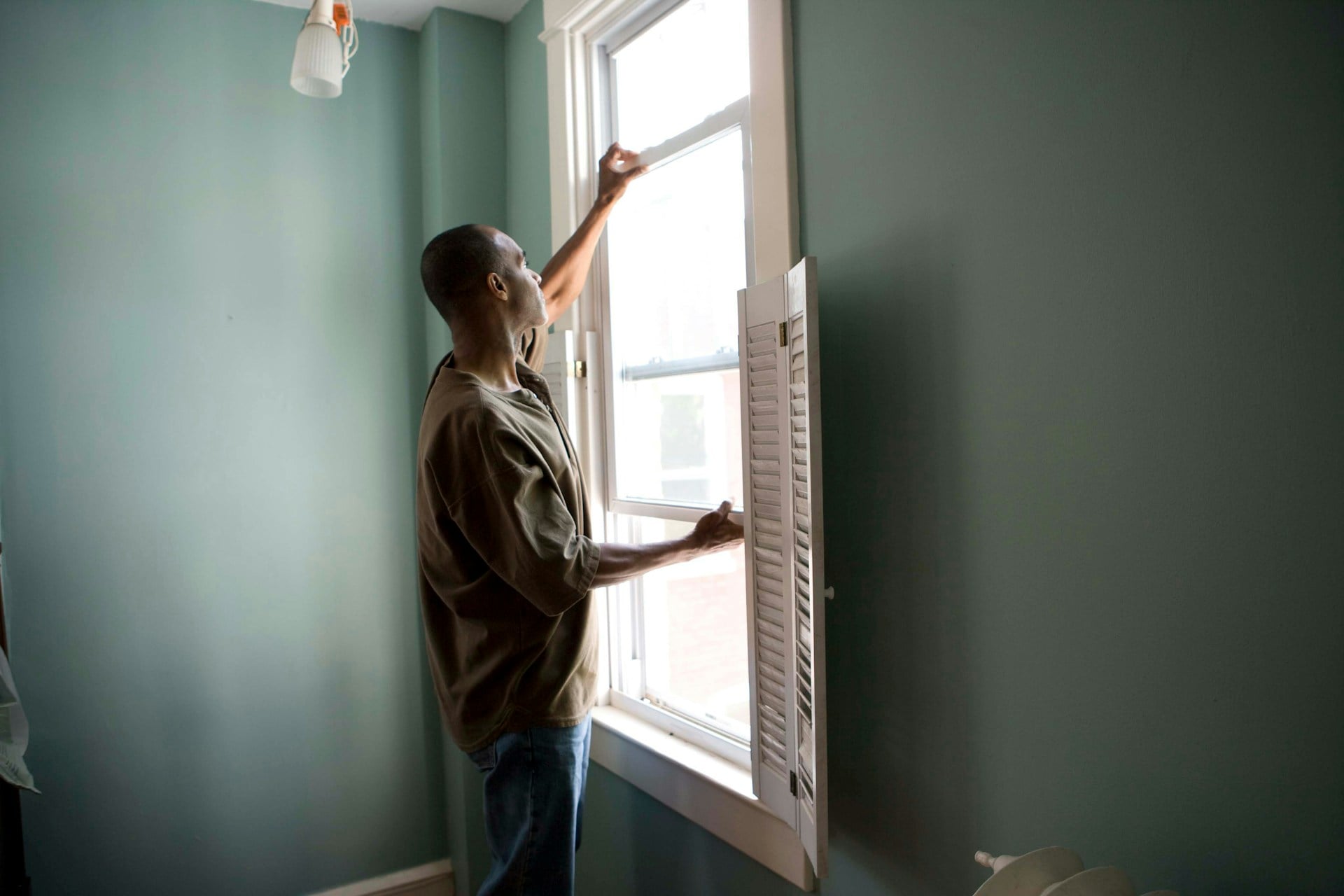
Gaps around window and door frames let warm air escape all winter. Seal them with caulk or a low-expansion spray foam labeled for windows and doors.
Gap size matters. In an Oak Ridge National Laboratory study cited by the Department of Energy's Building America Solution Center, windows with 3/4-inch rough opening gaps had an equivalent leakage area of 28.2 cm²/m², and sealing the gap from the interior cut it to 0.5 cm²/m². Air sealing also helps prevent ice dams, which the University of Minnesota Extension traces to heat escaping the house and unevenly warming parts of the roof.
Check Walkways, Steps, and Railings
Walk every exterior path, step, and railing looking for cracks, loose boards, or wobble. A crack that looks cosmetic in October can hold ice in January, and a loose railing is much easier to fix before snow covers the steps.
How Do You Get Your Heating Ready for Cold Nights?
Heating problems tend to show up on the first cold night, when HVAC companies are busiest. Booking service, changing the filter, and scheduling a chimney inspection now are the three tasks that keep the house warm in December.
Book Furnace Service Early
Call for a heating tune-up in early fall, before no-heat calls pick up. ENERGY STAR's maintenance checklist recommends a heating system checkup every fall, and the same checklist says a dirty filter can raise energy costs and damage equipment, leading to early failure.
When the technician arrives, have the furnace's model and serial numbers handy. If you can't find them, this guide on locating a model number shows where to look.
Replace the HVAC Filter and Test the Heat
Swap the furnace filter, then run the heat for 10 to 15 minutes to confirm it starts and blows warm air. ENERGY STAR recommends checking the filter monthly during heating season, so write down the filter size now and set up a simple filter-change log so you aren't guessing in January.
Schedule a Chimney Inspection if You Use a Fireplace
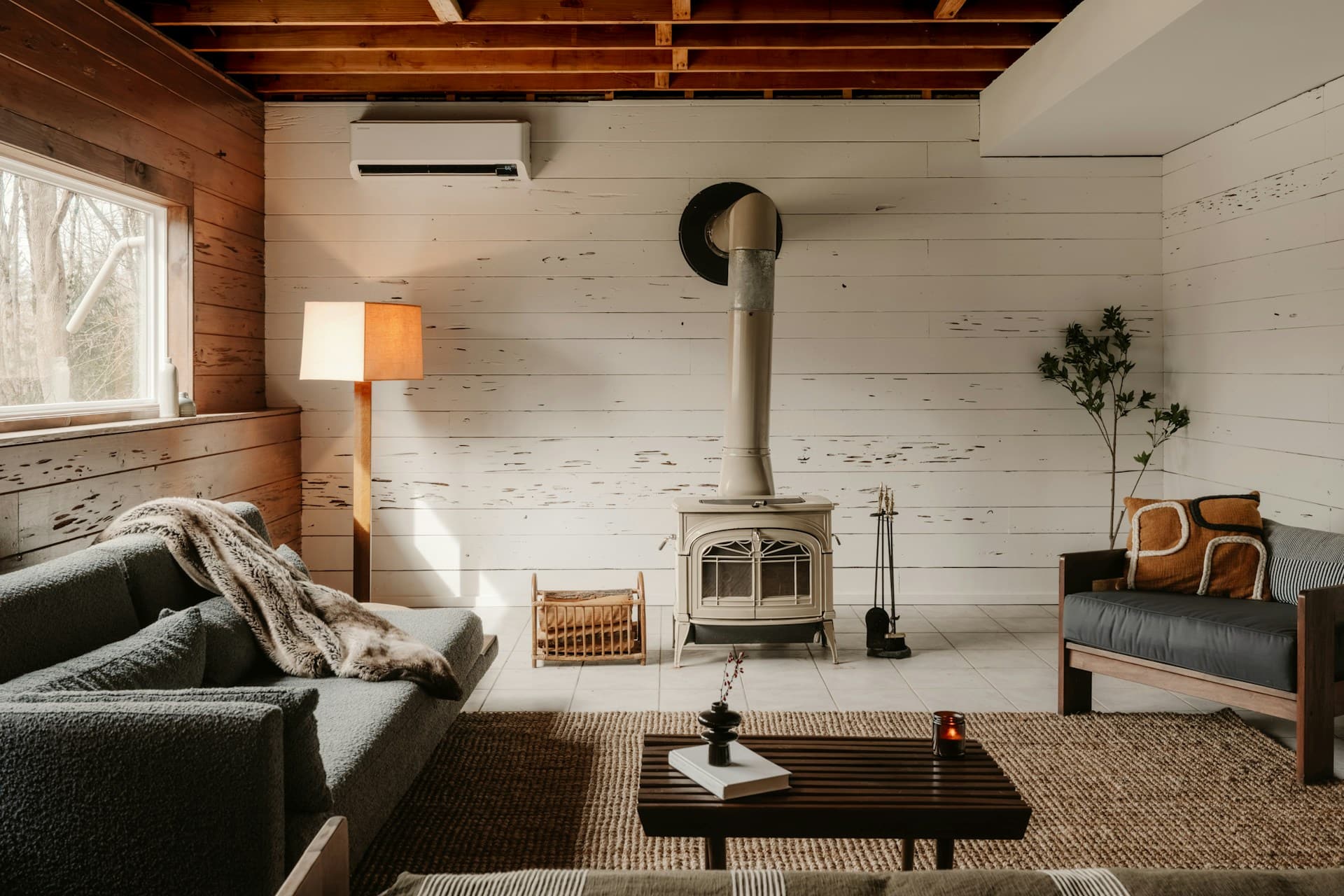
If you have a wood-burning fireplace or stove, book a chimney inspection before the first fire. The U.S. Fire Administration recommends having heating equipment and chimneys cleaned and inspected by a professional every year.
What you burn matters too. The EPA's Burn Wise guidance says to burn only dry, split wood seasoned for at least six months.
Which Plumbing Tasks Help Prevent Cold-Weather Damage?
Frozen pipes and a failed sump pump are two of the costliest fall oversights. Draining outdoor faucets, insulating exposed pipes, and testing the sump pump protect the house before the first hard freeze.
Disconnect Hoses and Drain Outdoor Faucets
The American Red Cross recommends removing, draining, and storing outdoor hoses, closing the inside valves that supply outdoor hose bibs, and opening the outside bibs so remaining water can drain. Water left in the line can freeze, expand, and crack the pipe, and that damage often isn't noticed until spring.
Protect Pipes in Unheated Areas
Wrap exposed pipes in crawl spaces, garages, attics, and unheated basements with foam pipe insulation. The Red Cross also suggests checking for supply lines in the garage and under kitchen and bathroom cabinets. Add these spots to your regular plumbing maintenance routine, and make sure everyone in the house knows where the main water shutoff is.
Test the Sump Pump Before Fall Rains
Slowly pour a bucket of water into the sump pit and watch the pump turn on, drain the pit, and shut off. If it doesn't start, runs without moving water, or won't shut off, have it looked at before the next heavy rain.
What Safety Checks Should You Finish This Fall?
A sealed-up house with the heat and dryer running more often raises the stakes on basic fire safety. These three checks take under an hour together.
Test Smoke and Carbon Monoxide Detectors
Press the test button on every smoke and carbon monoxide alarm, and replace batteries in any unit that isn't hardwired or sealed. The U.S. Fire Administration recommends smoke alarms inside and outside each sleeping area and on every level of the home, interconnected so that when one sounds, they all sound, and replacing each alarm 10 years from its manufacture date. This smoke detector maintenance schedule covers the rest of the year.
Clean the Dryer Vent
Clean the lint filter before and after every load, and check the full vent run from the dryer to the outside wall. The U.S. Fire Administration's clothes dryer safety flyer says skipping lint filter and vent cleaning puts you at higher risk of a dryer fire, and that you should make sure the outdoor vent cover opens when the dryer runs. If the dryer is also running long or not heating well, these dryer checks walk through the vent step by step.
Check Fire Extinguishers
Look at the pressure gauge on each extinguisher and make sure nothing blocks your path to it. The U.S. Fire Administration's extinguisher guide says multipurpose extinguishers labeled "B-C" or "A-B-C" work on most home fires, and recommends the largest one you can safely and comfortably handle.
It also says that if you're unsure whether it's safe to use one, alert others, get out, and call 911.
Which Appliances Need a Quick Fall Check?
Two appliance checks round out the list, both aimed at catching wear before it becomes a repair or a leak.
Clean Refrigerator Coils and Check Door Seals
Unplug the refrigerator, remove the base grille, and vacuum the condenser coils with a soft brush attachment. Then close the door on a sheet of paper and tug it. If it slides out easily, the gasket may need attention.
Whirlpool's coil cleaning guidance says most homes don't need routine coil cleaning, but households with pets, heavy kitchen traffic, or construction dust should inspect and clean every three to six months so the refrigerator cools efficiently and holds steady temperatures.
Inspect Washer Hoses for Wear and Leaks
Pull the washer slightly away from the wall and check both supply hoses for bulges, cracks, or moisture around the fittings. Replace any hose that shows wear, and use new hoses whenever you reinstall the washer. LG's inlet hose installation guide says to always use new hoses and never reuse old ones.
When you finish, note what you did, what you replaced, and any sizes or contacts you will need again. That list makes next fall faster and fits neatly into a year-round home maintenance checklist.
Frequently Asked Questions
What fall home maintenance should I do first?
Start by booking furnace service and clearing the gutters. Heating appointments get harder to schedule once cold weather arrives, and gutters have had all summer to fill with debris.
What home maintenance tasks should I do in October?
October is a good time to seal drafts, test the heat, drain outdoor faucets, insulate exposed pipes, and test smoke and carbon monoxide alarms. Aim to finish the plumbing tasks before your area's first hard freeze.
Which fall maintenance tasks can I do myself?
Most homeowners can clear gutters, replace furnace filters, drain outdoor faucets, seal window drafts, test alarms, and clean refrigerator coils. Furnace service, chimney inspections, and any roof work beyond a visual check are better left to a qualified professional.
What is an often-overlooked fall home maintenance task?
Testing the sump pump is easy to forget because it sits out of sight. The test takes a few minutes with a bucket of water, and a pump that fails during a heavy rain can flood a basement.
How often should I clear my gutters during fall?
Plan on at least one cleaning after most leaves have dropped. Homes with large trees nearby often need a second pass before the first winter storm.
Keep This Year's Fall Checklist for Next Year
Save your filter size, furnace model number, and chimney sweep's contact in Manse, and set reminders so next fall starts from a list, not memory. Start your free home maintenance schedule.