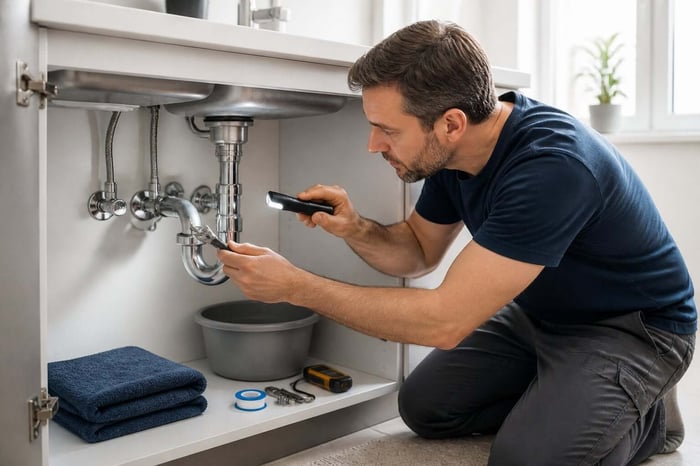

A dripping pipe under the sink rarely announces itself. It shows up as a damp cabinet floor, a musty smell, or a water bill that jumped for no clear reason. By the time you notice, the damage may already be spreading behind a wall or under a floor.
Most plumbing emergencies start small and stay quiet for weeks. A slow drain, a slightly high water pressure reading, or a corroded supply line can all be caught early with a few minutes of monthly checks. The right home plumbing maintenance tips can help you catch these problems while they are still cheap and easy to fix.
Keep reading to learn how to check for hidden leaks, protect your drains, maintain your water heater and appliances, and know exactly when a problem needs a professional. Each section gives you a specific task you can do this month, in your own home.
Start With Monthly Leak, Pressure, and Drain Checks
A monthly walkthrough of your home's plumbing catches small leaks, pressure issues, and slow drains before they become repairs. This routine takes about 30 minutes and covers the areas most likely to fail first.
Most plumbing failures happen in predictable spots: under sinks, behind toilets, near the water heater, and at appliance connections. A short monthly check of these areas can prevent water damage and cut utility bills over time.
Set a recurring reminder for the same day each month. Consistency matters more than any single inspection, since small changes are easier to spot on a regular schedule.
How to Check for Hidden Leaks Before They Damage Your Home
Hidden leaks show up as soft spots, discoloration, or a musty smell long before you see standing water. Check these signs monthly, not just when something looks wrong.
Start under every sink and behind every toilet. Feel for dampness on the floor, check the shutoff valve for corrosion, and look for bulging or cracking in supply lines.
A simple trick works well for detecting leaks you cannot see directly:
- Write down your water meter reading before bed
- Do not use any water overnight
- Check the meter again in the morning
- Any change in the reading points to a leak somewhere in the system
If the reading moved and you cannot find the source, the leak is likely behind a wall or under a slab. That kind of leak needs closer attention, which the next check can help narrow down.
What Water Pressure Is Safe for Household Plumbing?
Safe household water pressure falls between 40 and 60 pounds per square inch (psi). Pressure above 80 psi stresses pipes, valves, and appliance connections, and can shorten their lifespan.
A simple pressure gauge, screwed onto an outdoor spigot, gives you a reading in seconds. If your reading runs high, a pressure-reducing valve installed on the main line brings it back into a safe range.
High pressure often shows up first as noisy pipes, a leaking washing machine hose, or a toilet that runs longer than usual. Testing pressure once a month, or after any nearby city water main work, catches the problem before a fitting fails.
Once you confirm the pressure is safe, the next thing to watch is how fast water drains once it leaves your fixtures.
How to Spot Slow Drains Before a Full Clog
A slow drain is the clearest early warning sign of a clog forming inside your pipes. Catching it early means a simple fix instead of a full blockage later.
Run water in each sink, tub, and shower for about 30 seconds and watch how quickly it clears. A drain that gurgles, bubbles, or leaves standing water for more than a few seconds is already partially blocked.
Kitchen sinks clog fastest because of grease and food buildup, while bathroom drains slow down from hair and soap residue. A monthly check across every drain in the house keeps you ahead of a full stoppage.
Catching a slow drain early is only half the job. Next, fix the habits that caused it in the first place.
Protect Drains and Toilets With Everyday Habits
The fastest way to prevent clogs is to control what goes down your drains and toilets every single day. Most clogs are avoidable, not accidental.
Grease, wipes, and food scraps cause most household drain clogs. Once these substances build up inside a pipe, water flow slows gradually until the line blocks completely, often on a night when no plumber is available.
Small daily habits, followed consistently by everyone in the house, prevent most of these clogs from ever forming. The next two habits cover the two biggest offenders in most homes: the kitchen sink and the toilet.
What Should Never Go Down a Sink or Garbage Disposal?
Never pour grease, coffee grounds, or fibrous food scraps down a kitchen sink or garbage disposal. These materials don't break down like water, and they build up along pipe walls over time.
Grease is the biggest culprit. It goes down as a liquid but cools and hardens inside the pipe, narrowing the space water can pass through. If a disposal ends up jammed or slow despite your best efforts, this garbage disposal unclogging guide walks you through how to clear it safely.
Avoid putting these items down the drain or disposal:
- Cooking grease, oil, and fat
- Coffee grounds
- Eggshells and fruit pits
- Pasta, rice, and starchy foods that expand
- Fibrous vegetables like celery and corn husks
Wipe greasy pans with a paper towel before washing, and put coffee grounds in the trash or compost. These two changes alone prevent a large share of kitchen drain clogs.
Why Only Toilet Paper and Human Waste Belong in the Toilet
Toilet paper and human waste are the only things designed to break down safely in a toilet's plumbing. Everything else, including products labeled "flushable," can cause a clog.
Wipes, paper towels, and feminine hygiene products do not dissolve the way toilet paper does. They can catch on rough spots inside older pipes and build into a blockage that grows every time something new gets flushed on top of it.
Keep a small trash can next to every toilet in the house. It sounds simple, but it removes the temptation to flush something that does not belong there. With drains and toilets protected, the next area worth checking is the appliances that pull water through your plumbing every day.
Maintain Your Water Heater and Water-Using Appliances
Your water heater and major appliances need their own maintenance routine, separate from drains and pipes. Sediment, hard water, and worn hoses cause many appliance-related leaks.
These appliances run constantly in the background, so problems often go unnoticed until a hose fails or the water heater stops producing hot water. A short seasonal check of each one prevents most of these failures.
Every water-using appliance in your home connects to the same plumbing system you just checked for pressure and leaks. Maintaining them keeps that connection point from becoming the weak link.
When Should You Flush and Inspect a Water Heater?
Flush your water heater once a year to remove sediment buildup that reduces efficiency and shortens the unit's lifespan. Sediment settles at the bottom of the tank and, over time, insulates the water from the heating element.
A proper annual routine includes checking the pressure relief valve, temperature setting, pipe insulation, and visually inspecting for corrosion. Skipping this for several years often leads to a noisy tank, rusty water, or a slow leak forming at the base. If you're already seeing warning signs, this guide on common water heater problems covers what they usually mean.
Picture a water heater tucked in a utility closet, out of sight for years at a time. Without a flush, sediment can quietly cut efficiency and shorten the tank's working life well before it should need replacing.
Check Dishwasher, Washing Machine, and Refrigerator Water Lines
Dishwashers, washing machines, and refrigerators all connect to your plumbing through a hose or supply line that wears out over time. Rubber hoses crack, and plastic fittings can loosen with vibration.
Check these connections every few months:
- Washing machine supply hoses for bulging, cracking, or discoloration
- Dishwasher water line for kinks or slow drips near the connection point
- Refrigerator ice maker line for pinhole leaks behind the unit
A cracked washing machine hose is one of the most common sources of major indoor flooding, since it runs at full water pressure around the clock. Replacing rubber hoses with braided stainless steel versions every five years removes most of that risk.
With appliance connections checked, the last piece of the water-flow puzzle is the fixtures themselves, where mineral buildup gradually slows things down.
Clean Faucet Aerators and Showerheads to Restore Water Flow
Faucet aerators and showerheads lose water pressure over time as mineral deposits build up inside the tiny screens. A weak faucet stream is often a cleaning problem, not a plumbing problem.
Unscrew the aerator or showerhead and soak it in a vinegar-and-water mix for about an hour. This dissolves calcium and lime deposits without any tools or chemicals.
Homes with hard water may need this every one to two months, while homes with softened water can go three to four months between cleanings. This small task restores flow instantly and rules out a bigger plumbing issue before you call anyone. Once your fixtures and appliances are covered, the next concern is protecting them from seasonal temperature swings.
Prepare Pipes for Winter, Vacations, and Seasonal Changes
Pipes need different protection depending on the season, and skipping seasonal prep is one of the most common causes of burst pipes and flooding. A few minutes of prep before cold weather or a trip prevents most of these emergencies.
Freezing temperatures and empty houses both create the same risk: water sitting still in a pipe with no one around to notice a problem forming. The steps below address both situations directly.
Seasonal plumbing stress builds slowly, then fails all at once, often during the coldest night of the year or the last day of a vacation. Planning ahead removes the guesswork, and adding these tasks to an annual home maintenance checklist helps ensure they don't get skipped year to year.
How to Prevent Frozen Pipes Before Cold Weather Arrives
Insulating exposed pipes and sealing drafts around them is the most effective way to prevent freezing before cold weather hits. Pipes in unheated spaces like garages, crawl spaces, and exterior walls are at the highest risk.
Wrap exposed pipes with foam insulation sleeves, available at any hardware store, and seal any gaps where cold air reaches the pipe from outside. On the coldest nights, letting faucets drip slightly keeps water moving and reduces pressure buildup if ice does form.
Disconnect and drain outdoor hoses before the first freeze, and shut off any exterior spigots that have a separate valve. These outdoor connections are often the first place a freeze-related crack appears.
What to Do With Your Main Water Shutoff Before a Trip
Know the exact location of your main water shutoff valve and consider turning it off before any trip longer than a few days. This single step prevents a small leak from becoming a flooded house while no one is home.
Locate the valve now, before you need it in a hurry. It is usually near the water meter, in a basement, crawl space, or utility closet, and turning it clockwise stops all water flow into the house.
For shorter trips, simply knowing the valve's location is enough. For longer trips, shut it off, then drain the pressure by briefly opening a faucet to remove the risk while you are away. Knowing when to act yourself is useful, but some plumbing signs call for a different kind of response altogether.
Know When a Plumbing Problem Needs a Professional
Certain plumbing signs mean it is time to call a licensed plumber instead of attempting a DIY fix. Waiting on these signs usually makes the eventual repair more expensive.
Not every plumbing issue is a simple weekend task. Some point to damage already happening out of sight, where even a few weeks of delay can mean replacing flooring, drywall, or subfloor material.
Recognizing these warning signs early gives you time to act before the damage spreads beyond the pipe itself.
Warning Signs of a Leak Behind Walls or Under Floors
A leak behind a wall or under a floor usually shows up as a stain, a soft spot, or an unexplained smell before you ever see water. These signs mean the leak has been active for some time.
Watch for these warning signs:
- Discolored patches on ceilings, walls, or floors
- A musty or mildew smell with no visible source
- Warped or soft flooring near a bathroom or kitchen
- A water bill that jumps with no change in usage
- Peeling paint or bubbling drywall
Any one of these signs, especially paired with a water meter reading that moved overnight, points to a leak that needs a plumber's inspection rather than a guess-and-check repair.
Why Chemical Drain Cleaners Can Create Bigger Problems
Chemical drain cleaners can damage older pipes and often fail to clear the actual clog. The harsh chemicals generate heat that can soften or crack PVC pipes and corrode older metal ones.
These products also mask the real problem. A clog that keeps returning after chemical treatment usually means a deeper blockage, improper pipe slope, or a collapsed section further down the line.
A plumber's snake or a wet/dry vacuum clears most clogs safely, without risking your pipes. If a clog returns more than once in a short period, that repeat pattern is the clearest sign it is time to call a professional instead of reaching for another bottle.
Frequently Asked Questions
What plumbing maintenance should I do every month?
Check under sinks and behind toilets for leaks, test your water pressure, and run water through every drain to check for slow flow. This monthly routine takes about 30 minutes and catches most problems while they are still minor.
How often should a homeowner inspect for plumbing leaks?
Inspect for leaks monthly, and always after any major weather event or nearby plumbing work. A quick water meter test overnight can confirm whether a hidden leak exists anywhere in your system.
Should I flush my water heater every year?
Yes, an annual flush removes sediment that builds up at the bottom of the tank and reduces heating efficiency. Skipping this for several years often leads to a noisy tank, rusty water, or a shorter overall lifespan.
What is the best way to prevent clogged drains?
Keep grease, coffee grounds, and fibrous food scraps out of your kitchen sink, and only flush toilet paper and human waste. These two habits, followed consistently, prevent most household drain clogs.
How do I know if my home's water pressure is too high?
A pressure gauge attached to an outdoor spigot gives you an exact reading, and anything above 80 psi is considered too high. Warning signs include noisy pipes, a leaking appliance hose, or a toilet that runs longer than normal.
When should I call a plumber instead of trying a DIY fix?
Call a plumber when you see water stains, a musty smell with no clear source, or a clog that keeps returning after you clear it. These signs often point to a leak or blockage that is already causing damage behind a wall or under a floor.
A Simple Record Can Prevent the Next Plumbing Surprise
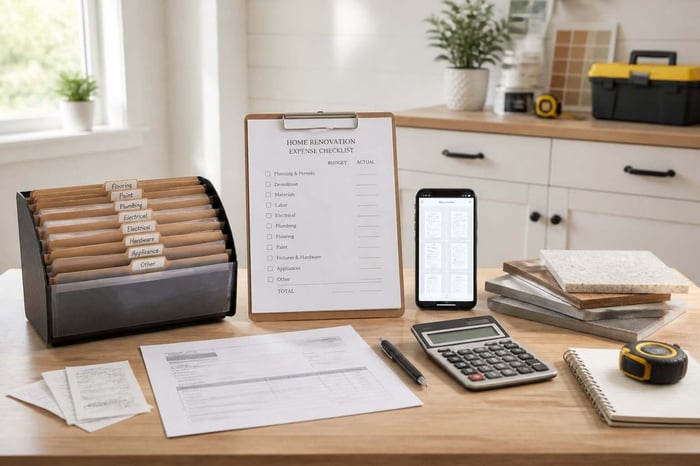
Most plumbing surprises happen because no one remembers when a task was last done. A simple written record of what you checked and when turns guesswork into a routine.
Think about the water heater flush from earlier in this guide. Without a note of the date, you are left guessing whether it happened last year or three years ago, and guessing is how sediment problems sneak up on a homeowner.
The same goes for hose replacements, aerator cleanings, and pressure checks. A short log, even a simple note on your phone, tells you exactly what has been done and what is coming next. This is the kind of record a home profile was built to hold, keeping maintenance dates, warranty information, and appliance details in one private place instead of scattered notes.
Add your home to Manse and get a lasting record that outlasts memory, sticky notes, and any single homeowner's ability to remember it all.