
Hearing "that's not covered" from a service line while your refrigerator or washer sits broken is a hard way to learn how narrow a warranty can be. Manufacturer warranties cover defects in the product, so a long list of other problems falls to you.
Most denials trace back to eight exclusions: cosmetic damage, outside events, consumable parts, improper installation or misuse, commercial use, late-reported delivery damage, damage from repairs, and missed maintenance. Here's why each one is excluded and the step that keeps it from catching you out.
When Damage Falls Outside Coverage
Appliance warranties exclude damage caused by something other than a product defect, such as an accident, a fire, or the home's own wiring.
Cosmetic Damage and Accidents
Dents, scratches, and chips are usually excluded. Whirlpool's major appliance limited warranty, for example, excludes cosmetic damage such as scratches, dents, and chips unless the damage comes from a defect and you report it within 30 days of purchase. The same warranty excludes damage from accidents, misuse, and abuse, so a cracked oven window from a dropped pan is your cost to fix.
Next step: inspect and photograph each appliance on delivery day, and report any finish damage right away to stay within a short reporting window like Whirlpool's 30 days.
Power Surges and Other External Events
Whirlpool's warranty lists fire, floods, and acts of God as exclusions, and its terms also exclude repairs to household electrical or plumbing systems. Many warranties don't mention power surges by name, but because coverage is built around product defects, a control board damaged by a storm surge may be treated as an outside event.
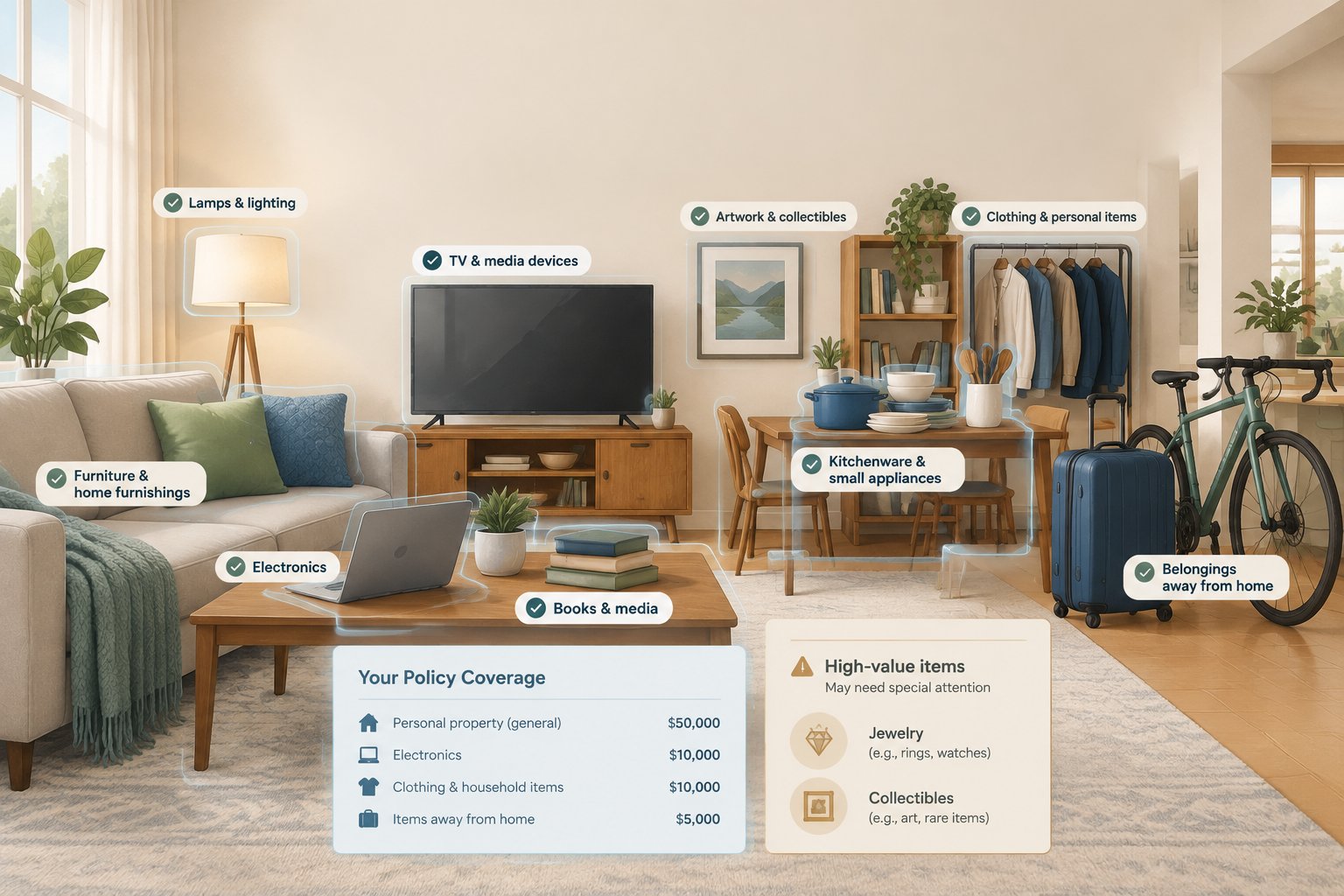
Whether your homeowners policy pays for that damage depends on the policy, so check it before you assume either one will cover the repair. If you need to file a claim, here's how to file an insurance claim for appliance damage.
Next step: keep your insurance policy details where you can find them, and ask your agent how the policy treats surge damage before a storm season.
Which Replaceable Parts Are Excluded?
Parts designed to be replaced on a schedule, such as bulbs and filters, are excluded from most appliance warranties because they wear out through normal use.
Filters, Bulbs, and Other Consumable Parts
Whirlpool's warranty lists consumable parts such as light bulbs, batteries, and air or water filters as not covered. GE Appliances lists replacing the oven light (except on most Monogram models) among the items not covered by its range and wall oven warranty, along with damage from cleaners the manufacturer doesn't recommend and from using the wrong cookware.
Exactly which parts count as consumable varies by brand and product, so a refrigerator water filter or an oven bulb is usually a cost to budget for separately.
Next step: check your owner's manual and written warranty for the parts listed as consumable, and note their replacement schedule.
The Difference Between a Worn Part and a Covered Failure
Whirlpool's warranty covers defects in materials or workmanship that existed when you purchased the appliance. A part that wears out gradually from years of normal use doesn't fit that definition. A part that fails early because it was faulty from the factory is the kind of problem the warranty is meant to cover.
If you're unsure which category your problem falls into, ask the technician to write the specific cause of failure on the service report, in addition to the symptom.
When Installation or Use Can Disqualify a Claim
Improper installation, misuse, commercial use, and damage you didn't report promptly can all shift the repair cost to you.
Improper Installation and Misuse
GE Appliances says there will be a charge for service when the diagnosis is related to an installation issue, and it names problems stemming from the home, such as wiring issues and breaker size, as examples, according to GE Appliances' guidance on installation and warranty concerns. If a dealer or builder installed the appliance improperly, GE says to contact them for repairs.
Whirlpool's warranty similarly excludes installation that doesn't follow the installation instructions or electrical and plumbing codes, and use inconsistent with the product instructions and manuals.
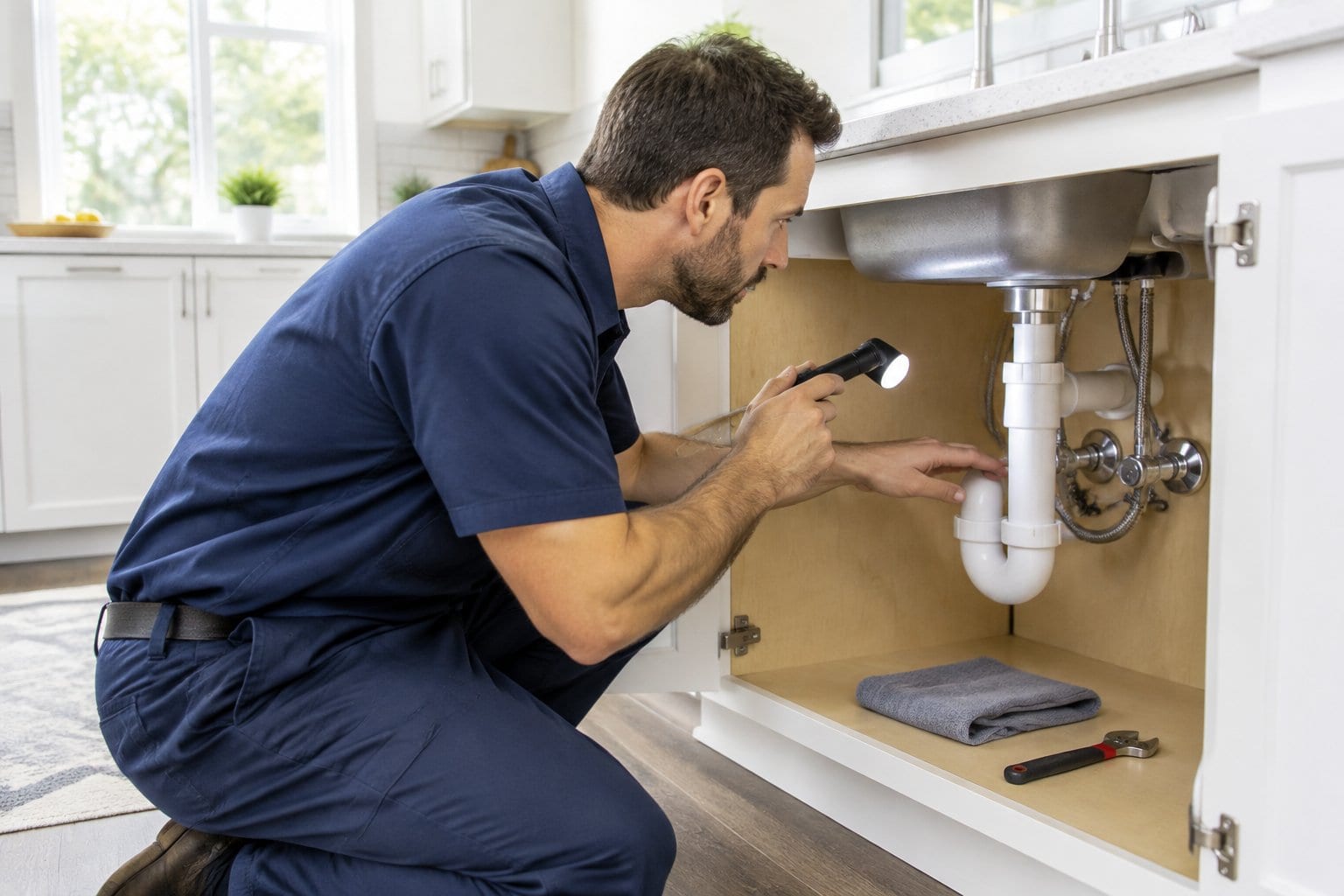
Next step: Keep the installer's name and invoice on file, since installation-related repairs may go back to them.
Commercial or Multi-Family Use
Residential appliance warranties are written for household use. Whirlpool's warranty excludes commercial, non-residential, or multi-family use, so a residential washer installed in a shared laundry room or a business may not be covered. If you plan to use an appliance outside a single household, read the written warranty first.
Delivery Damage You Don't Report Quickly
If an appliance arrives dented or doesn't work from day one, report it to the retailer and manufacturer right away. Reporting windows can be short (Whirlpool's is 30 days for cosmetic damage caused by a defect), and a late report makes it harder to show the problem was there from the start.
How Repairs and Upkeep Affect Coverage
Damage caused by a repair and missed maintenance are two of the most avoidable reasons a claim is denied, and both come down to records.
Damage Caused by Unauthorized Repairs
Using an independent repair shop or a third-party part doesn't by itself cost you the warranty. In 2022, the FTC took action against Harley-Davidson, Westinghouse generator maker MWE Investments, and Weber-Stephen Products, alleging they violated the Magnuson-Moss Warranty Act by telling customers their warranties would be void if they used anyone other than the company or its authorized dealers.
The FTC's consumer alert on those warranty restrictions explains that companies can't void a warranty or deny coverage solely because you used a part made by another company.
The same alert notes that companies can still refuse coverage for defects or damage caused by third-party parts or services. Whirlpool's warranty, for example, excludes repairs for damage caused by unauthorized service, alteration, or modification. If an independent technician installs a part incorrectly and that causes a new problem, that damage may not be covered.
Missed Maintenance and Missing Service Records
Whirlpool's warranty excludes repairs to correct improper maintenance. The FTC's guide to federal warranty law also notes that implied warranties don't cover problems caused by abuse, misuse, ordinary wear, failure to follow directions, or improper maintenance.
For example, a refrigerator that fails after years of skipped cleaning steps listed in the manual may be harder to get covered if the manufacturer can show neglect contributed to the failure.
Next step: keep a simple log of routine tasks like filter changes and cleaning dates. A home maintenance log gives you dates to point to if a maintenance question comes up during a claim.
What Proof Do You Need to File a Claim?
You need proof of purchase, the appliance's model and serial number, and ideally a registration confirmation. Without them, the manufacturer can't confirm when your coverage started.
Receipts, Purchase Dates, and Model Numbers
Whirlpool's warranty states that you need proof of purchase to obtain warranty service. GE Appliances says its warranty begins on the purchase date, and a sales invoice, a letter from the builder, or other proof of occupancy validates that date.
When proof isn't available, GE uses the manufacture date shown in the serial number instead. That date can be earlier than the day you bought the appliance, which shortens your coverage window. Here's more on why appliance purchase receipts matter.
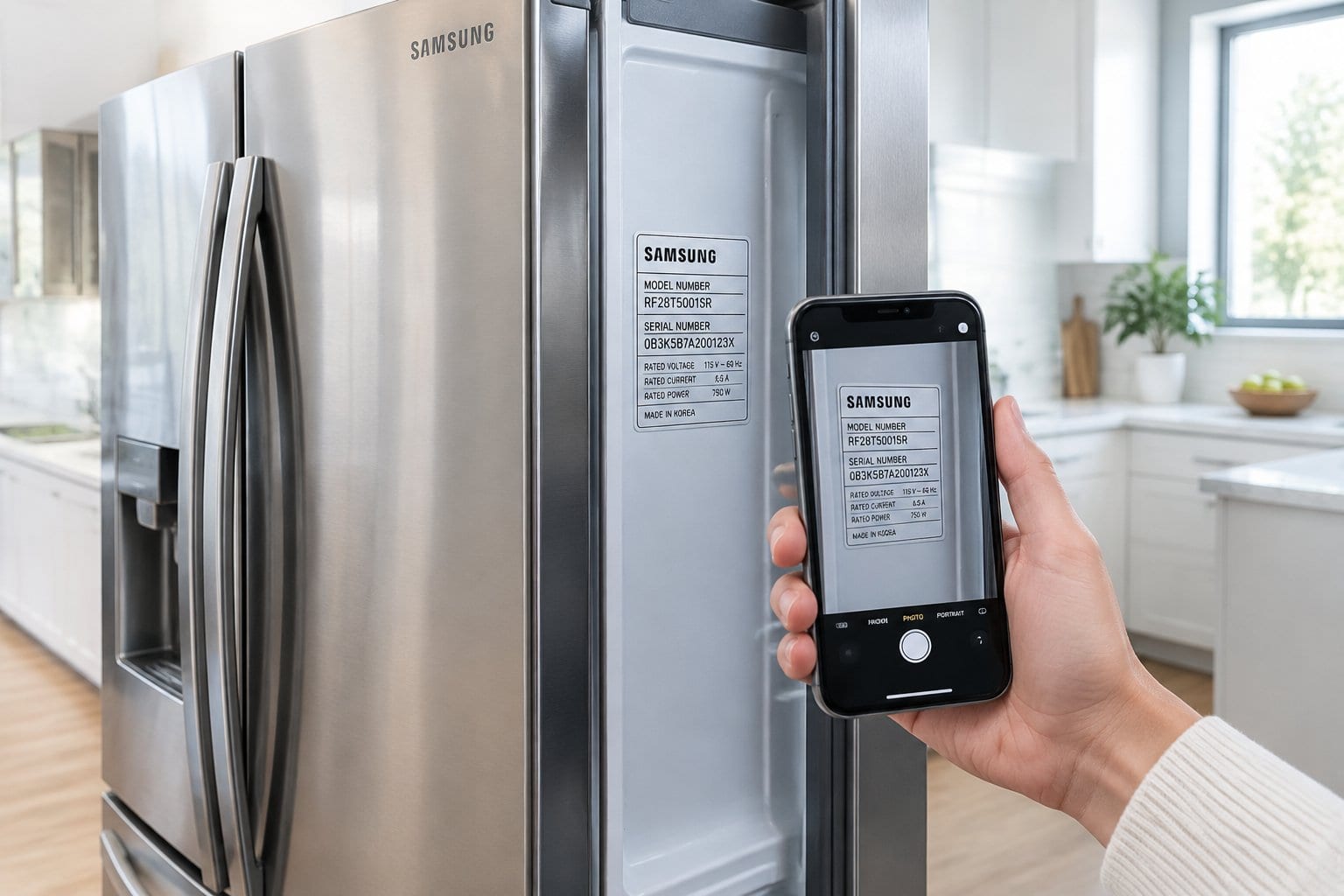
Before calling for service, find the serial number plate. Common spots include the door frame, the tub rim, and the inside wall of a refrigerator compartment. If you can't find yours, here's where to look for an appliance's model number. Write both numbers down before you call.
Registration Confirmations and the Written Warranty
Whirlpool says registration history can be particularly useful when seeking warranty service, and registering gives you access to user manuals and guides, according to Whirlpool's appliance registration page.
Keep the written warranty itself too, so you can check exact coverage instead of guessing. To confirm coverage before a service visit, here's how to check an appliance's warranty status.
What to Ask When a Claim Is Denied
Ask the company which warranty term the denial is based on, and get the answer in writing. The FTC's consumer guide to warranties recommends saving your receipt with the warranty.
If the seller doesn't resolve the problem, write to the manufacturer, and send the letter by certified mail with a return receipt requested. If the company still won't resolve it, you can report it to the FTC at ReportFraud.ftc.gov or to your state attorney general.
Keep the Records Your Next Claim Needs
Many denied claims come down to proof you can't produce in the moment. When you call, the manufacturer may ask for the purchase date, model and serial numbers, registration confirmation, and service history.
Gather those records for each appliance as you buy, register, and maintain it, and store them together. When something breaks, you'll have one place to check before calling for service.
Frequently Asked Questions
What is usually excluded from a washer and dryer warranty?
Laundry warranties commonly exclude cosmetic damage, consumable parts, damage from accidents or misuse, improper installation, and use inconsistent with the product instructions. Check the written warranty for your model, since the exact list varies by brand.
Does a Whirlpool appliance warranty cover normal wear?
Whirlpool's major appliance warranty covers defects in materials or workmanship that existed when the appliance was purchased, and it excludes consumable parts such as light bulbs, batteries, and air or water filters. Parts that simply wear out from use are generally outside that coverage. Check your model's written warranty for the full list.
Does a power surge void an appliance warranty?
A surge doesn't cancel the warranty, but damage from it may not be covered, since warranties cover product defects and often exclude outside events and household electrical problems. Whether homeowners insurance covers surge damage depends on your policy.
Will using an independent repair technician void my appliance warranty?
No. Under the Magnuson-Moss Warranty Act, a company can't void your warranty or deny coverage solely because you used a third-party part or service, according to the FTC. The manufacturer can still deny coverage for damage the independent repair itself caused.
Can an appliance warranty claim be denied if I lost the receipt?
It can. Some manufacturers, such as Whirlpool, require proof of purchase for warranty service. Others, such as GE Appliances, may use the manufacture date from the serial number when you have no proof of purchase, which can start your coverage earlier than your actual purchase date.
Do I have to register an appliance for its warranty to apply?
Usually not, but check your warranty. The FTC says some warranties require you to return a registration card before you qualify for service, while a full warranty can't require it. Registering still helps with recall notices and service records.
Keep Every Appliance Record Ready for a Claim
A warranty claim moves faster when the receipt, registration confirmation, and service records are already in one place. Manse keeps them together for each appliance, so a claim doesn't stall for lack of proof.