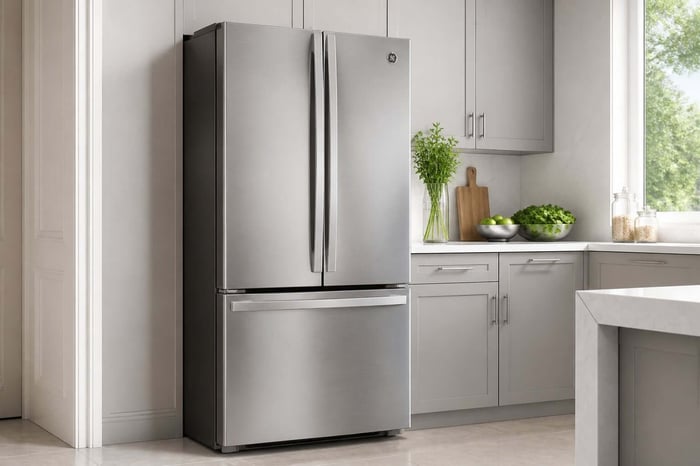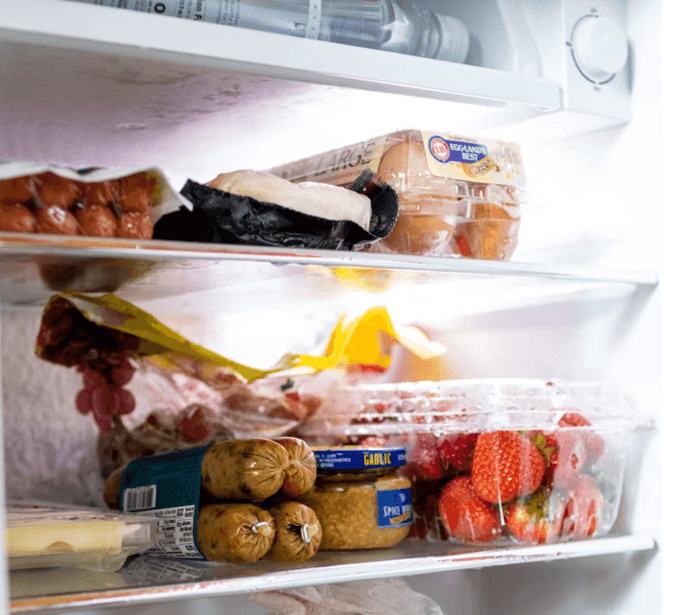

You reach for the ice cream, and the carton gives. The chicken in the door bin feels soft at the edges. Somewhere behind the frozen peas, a bag of berries has gone sticky. The freezer light is on, the motor is humming, and yet nothing in there is truly frozen.
That moment is stressful because two clocks start at once. One is the food safety clock. The other is the repair clock, and it runs faster if you cannot find the model number, the manual, or proof that the appliance is still under warranty.
Most of the time, a freezer that is not cold enough comes down to airflow, a worn door seal, dirty coils, or a setting that got bumped, not a dead compressor.
In this guide, you will find the checks in order, from the ones that cost nothing to the ones that need a technician. Start at the top and work down. The answer is usually simpler than it feels right now.
Start With the Temperature and Food Safety Check
Two things come before any repair work: what the temperature actually is, and whether your food is still safe. Both take minutes.
Confirm the Freezer Is Set to 0°F
A home freezer should hold 0°F (-18°C). The fridge section should sit between 37°F and 40°F. Anything warmer than 0°F in the freezer and food starts to soften, even if it still looks frozen.
Do not trust the display. Many digital panels show the setpoint you chose, not the real temperature inside. Put a cheap appliance thermometer in the middle of the freezer, close the door, and read it after eight hours.
Check the obvious power supply items too. Make sure the plug is fully seated, the outlet works, and the breaker has not tripped. Then look at the thermostat control itself, since a dial can get knocked warmer by a stack of frozen pizzas.
Check Whether the Refrigerator Is Cooling Too
In most top-freezer and side-by-side units, the freezer makes all the cold air. A fan then pushes some of it into the fridge. So the fridge tells you a lot about the freezer.
If both sections are too warm, the problem is likely in the parts that make cold: condenser coils, the condenser fan, or the compressor. If the fridge is fine and only the freezer is warm, suspect airflow or frost inside the freezer compartment.
Write down which pattern you see. It narrows the list of freezer problems fast.
Protect Food While You Troubleshoot
Keep the door shut as much as you can. A full freezer holds safe temperatures for roughly 48 hours unopened, and about 24 hours if it is half full.
Move ice cream, meat, and fish to a cooler with ice or a neighbor's freezer.
Food with ice crystals still in it is safe to refreeze, though texture may suffer.
Throw out anything that has been above 40°F for more than two hours.
Never taste food to judge it.
With the food handled, move to the fixes that cost nothing but a few minutes.
Fix the Easy Air Leaks and Airflow Problems First
A bad door seal or blocked vents cause more warm freezers than failed parts do. Both are free to check and often free to fix.
Clean and Test the Door Gasket
Wipe the freezer door seal with warm, soapy water and dry it. Crumbs, syrup, and ice on a door gasket keep it from closing tight, which lets humid room air pour in all day.
Now run the dollar bill test. Close the door on a bill so half sticks out, then pull. If it slides out with no drag, the gasket is not sealing there. Repeat every six inches around all four sides.
Look for cracks, flattened spots, and corners that no longer spring back. Frost near the hinge side or a warm patch along the door edge points to the same thing. Gaskets are replaceable, and the part number comes straight off the appliance model number.
Make Space Around Vents and Shelves
Find the vents inside the freezer, usually on the back wall or ceiling. An overloaded freezer with boxes pressed against those openings creates warm pockets while other spots freeze solid.
Leave a few inches clear in front of every vent. A freezer works best around three-quarters full, since frozen food helps hold temperature, but a packed freezer stops cold air circulation.
Adding a lot of unfrozen food at once also raises the interior temperature for hours. Freeze in smaller batches when you can.
Remove Frost That Is Blocking Cold Air
Frost buildup thicker than a quarter inch acts like a blanket over the evaporator coils. The freezer runs and runs, and the cold never reaches the food.
If yours is a manual defrost model, empty it, unplug it, and let the ice melt with towels underneath. Give it 8 to 24 hours. Never chip at ice buildup with a screwdriver or ice pick, since one slip can puncture a coil and end the appliance. If a frost-free unit builds a solid sheet of ice on the back panel, note that. It matters later.
Next, look at the part of the appliance you probably never look at.
Clean the Coils and Give the Freezer Room to Breathe
The condenser coils release the heat your freezer pulls out of the food. When they are coated in dust, that heat has nowhere to go, so the compressor runs nonstop and still cannot reach 0°F.
Safely Clean Accessible Condenser Coils
Unplug the appliance first. On most models, the condenser coil sits behind a snap-off grille at the bottom front, or on the back panel of older units.
Use a vacuum cleaner with a brush or crevice attachment, then a long coil brush for what the vacuum misses. Work gently and avoid bending the fins. Clean dirty condenser coils every six to twelve months, or every three to four months if you have shedding pets. This one job fixes a surprising number of weak freezers.
Check Clearance Behind and Around the Appliance
Your freezer needs air moving around it. Aim for about two inches behind, one inch on the sides, and a clear inch above.
Pull it away from the wall if it is jammed back there. Take the cereal boxes off the top. In a hot garage, remember that most freezers struggle once the room passes 90°F, so keep the unit out of direct sun.
Listen for the Condenser Fan
Stand behind the appliance while it is running. You should hear a steady fan along with the compressor hum.
Silence, rattling, or a grinding noise suggests the condenser fan motor is failing or the blades are blocked by lint and pet hair. If the compressor feels very hot and no fan is turning, that fan is your suspect.
When everything is clean, sealed, and set correctly and the freezer still runs warm, a component has likely failed.
Know When a Part Failure Needs More Than a Basic Check
At this point you are past the free fixes. The symptoms below help you decide what to tell a technician, and which repairs are worth attempting yourself.
Signs of an Evaporator Fan or Defrost System Failure
The evaporator fan blows cold air off the evaporator coils and into the compartments. When it dies, the freezer gets cold near the coils and warm everywhere else.
No air sound inside when the freezer is running
A squealing or chirping noise that changes when you open the door
Thick ice on the back panel that returns days after you defrost it
Freezer somewhat cold but the refrigerator staying warm
That returning ice sheet usually means the defrost system is not doing its job. The defrost heater, defrost timer, or defrost thermostat can each fail while everything else keeps running.
What Thermostat and Start Relay Symptoms Can Tell You
If the freezer never cycles off, or never kicks on at all, the thermostat may not be reading temperature correctly. Turning the control from warmest to coldest usually gives a faint click. No click at all is a clue.
A compressor that hums for a few seconds, clicks, and stops often points to a faulty start relay. It is a small, inexpensive part, and it is a common reason a freezer runs but never freezes.
With a multimeter and a screwdriver, a careful homeowner can test a relay or thermostat for continuity after unplugging the unit. If that is outside your comfort zone, stop there.
Why Refrigerant and Compressor Problems Need Professional Help
A refrigerant leak or a failing compressor lives in the sealed system. That work requires certified handling and recovery equipment, so it is not a DIY repair.
Warning signs include an oily film near the coils, a compressor that stays silent, or a freezer that gets slightly cool and never colder. Ask for the repair estimate in writing and weigh it against the age of the appliance, since most freezers last 12 to 15 years.
Before you dial anyone, gather a few details that shorten the whole call.
Read more: Do Home Warranties Cover Maintenance When Your HVAC Stops Working?
Keep the Next Appliance Problem Easier to Handle
A technician's first two questions are almost always the same: what is the model number, and how old is the unit? Having those ready can decide whether you pay for the repair or the manufacturer does.
The model and serial tag is usually inside the freezer on a side wall, along the door frame, or behind the bottom grille. Photograph it now while the door is already open. The serial number can also tell you the manufacture date, which matters when a warranty period is close to the line.
Most freezers carry one year of parts and labor coverage, and many sealed systems carry five to ten years on the compressor. Homeowners lose that coverage all the time simply because the receipt is gone.
Save the Details You Will Need Before You Call
Keep these in one place instead of three inboxes and a kitchen drawer:
Model number and serial number, plus a photo of the tag
Purchase date, retailer, and receipt
Warranty end dates for parts, labor, and the sealed system
The appliance manual and any troubleshooting codes
What you already checked, so you do not pay for it twice
Repair date, part replaced, cost, and who did the work
Frequently Asked Questions
Why Is My Freezer Running but Not Freezing Food?
Usually the appliance is making cold air but cannot move it or shed heat. Dirty condenser coils, a failed evaporator fan, or heavy frost on the coils all cause this. Clean the coils and check for airflow blockages first.
Why Is My Refrigerator Cold but the Freezer Is Not Freezing?
That pattern often points to a thermostat or control problem, or a partial refrigerant issue in the freezer's cooling circuit. It can also happen if the freezer vents are packed with food. Confirm the setting is 0°F, clear the vents, then call a technician if nothing changes.
Why Does My Freezer Feel Less Cold and Fail to Keep Ice Cream Frozen?
Ice cream has sugar and fat, so it softens above 0°F even when peas stay hard. Soft ice cream is often the first sign of a freezer running a few degrees warm or cycling unevenly. Store it at the back, not in the door, and verify the real temperature with a thermometer.
How Can I Fix a Freezer That Is Not Cold Enough?
Work in order: confirm the setting and power, clean and test the door gasket, clear the vents, defrost heavy ice, then vacuum the condenser coils. Those five steps solve most cases without tools. If the freezer still sits above 0°F, a fan, defrost part, or relay likely failed.
Why Is My Freezer Not Cooling Even Though the Light Is On?
The light runs on household power, so it proves only that electricity reaches the appliance. The compressor, fans, or control board can fail while the bulb stays lit. Listen for the compressor and fans running, and check whether the fridge side is cooling too.
Can Hot Weather Make My Freezer Stop Freezing Properly?
Yes. A garage freezer in a room above 90°F has to work much harder to dump heat, and many models are not rated for that heat. Move it out of direct sun, give it clearance on all sides, and keep the coils clean during summer.
Stay Ahead of Appliance Repairs
Don't wait for a thaw to organize your home. A little preparation today prevents a lot of stress tomorrow when an appliance acts up.
Start your free Manse profile today to keep your manuals, warranty dates, and maintenance logs in one secure place. Be ready for the next fix before it becomes an emergency.