
You assumed the home warranty had you covered. Then the HVAC unit stopped blowing cold air on the hottest week of the year, and the claim got denied because of a clause you never read. That gap between what you thought you paid for and what the contract actually says is where most homeowners get burned.
Home warranty plans can save you thousands when a major system fails, but only if you know exactly what the contract promises before you need it. The fine print decides whether a service call costs you $75 or $4,000, and most people learn which applies at the worst possible moment.
In this guide, you will find a plain breakdown of what home warranty plans cover, how they differ from home insurance, what HVAC coverage actually looks like in practice, and what to check before you sign anything. Keep reading, and you will know more than most people who already own one.
What These Service Contracts Do and Do Not Replace
A home warranty is a service contract, not an insurance policy, and that single distinction explains most of the confusion homeowners run into. It pays for repair or replacement of specific home systems and appliances when they break from normal wear and tear, nothing more.
Home warranty contracts list covered items, usually HVAC, plumbing, electrical, and major appliances. If a covered item fails because it simply wore out, the contract kicks in. If it fails for a reason outside that list, the home warranty industry generally will not pay, and this is where most denied claims start.
How a Home Warranty Differs From Homeowners Insurance
Homeowners insurance covers sudden, accidental damage: fire, storms, theft, a burst pipe that floods the basement. A home warranty covers the slow stuff, the parts that simply age out and quit working.
Homeowners insurance: covers the structure and contents against sudden events like fire, wind, or water damage from a burst pipe.
Home warranty coverage: covers repair or replacement of home systems and appliances that fail from age or normal use.
They are not substitutes for each other. Many homeowners carry both, since a policy that covers storm damage won't cover a furnace that stops running after twelve years of service.
When a Plan May Make Sense for Your Home
A plan tends to make the most sense for older homes with aging systems, for buyers who inherited appliances with no service history, or for anyone who would rather pay a predictable annual cost than risk a surprise repair bill.
It makes less sense if your systems are new and still under manufacturer warranty, or if you have already built up savings earmarked for repairs. Either way, the decision gets easier once you actually know what these contracts include, which is the next thing worth sorting out.
What Coverage Usually Includes and Leaves Out
Coverage typically centers on the systems and appliances that break most often and cost the most to fix, but details vary widely between providers. Reading the list line by line matters more than trusting the marketing summary.
Most standard plans bundle a mix of appliances and home systems, then offer paid add-ons for anything outside that core group. Coverage limits, sometimes called payout caps, apply per item and can catch homeowners off guard when a repair costs more than the cap allows.
Appliances and Systems Often Included
A typical plan covers a recognizable set of items:
Refrigerators, dishwashers, and laundry appliances
Plumbing and electrical systems
Heating systems and air conditioning
Water heaters and garage door openers
Some providers offer generous coverage limits on these categories, while others cap payouts low enough that a full appliance replacement still leaves you owing money. Septic systems, well pumps, and roof leak coverage are usually optional add-ons, not standard inclusions.
Exclusions, Limits, and Preexisting Problems
Exclusions are where most disputes happen. Preexisting conditions, meaning problems that existed before the contract started, are almost never covered, and providers often require an inspection or disclosure before approving a plan.
Rust, corrosion, and low AC refrigerant levels are common exclusion points in HVAC claims specifically. Cosmetic damage, code violations, and improper installation also fall outside comprehensive coverage in nearly every contract on the market.
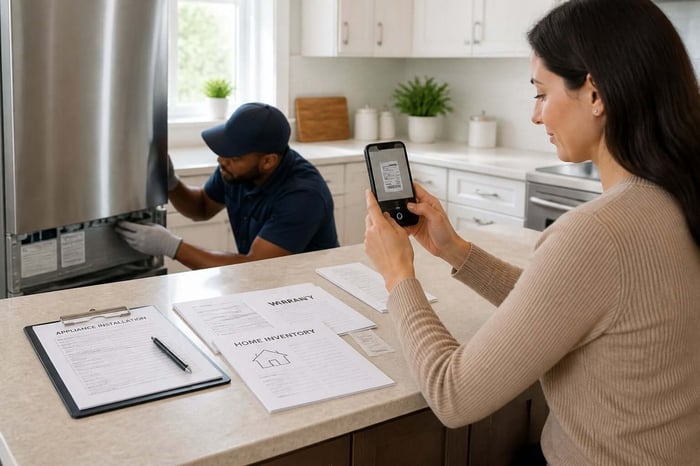
This is exactly the kind of gap that a simple habit closes: keeping the make, model, and install date of every major appliance on hand. If a plate is ever hard to read, this guide to decoding appliance model numbers can help. A recorded model number tied to a warranty date settles a preexisting condition dispute in seconds instead of days. Once you understand what is covered and excluded, the next logical step is understanding what all of it actually costs.
How to Compare Costs Before You Sign
Home warranty cost breaks down into two separate numbers, and confusing them is how people end up with a bad surprise. The plan premium and the service fee charged every time a technician shows up.
Monthly costs for a standard plan generally fall within a predictable range, but the real cost of ownership depends heavily on how often you file claims and what the service fee is each time.
Monthly Premiums, Service Fees, and Add-Ons
A service call fee is charged per visit, separate from your monthly premium, whether or not the repair is approved. Some providers also charge a cancellation fee if you end the contract early, so check that clause before signing.
A few things worth confirming with any home warranty provider before you commit:
What is the exact service fee per visit
Whether a money-back guarantee applies during a trial period
What triggers a cancellation fee
Whether add-ons like roof leak repair cost extra monthly or per claim
Plan Types and Coverage Choices
Providers typically offer a few tiers: a starter plan or essential plan covering basic appliances, a systems-only plan covering HVAC, plumbing, and electrical, and combination plans that bundle both. A premium plan usually raises the coverage limits and adds optional systems like septic or well pump protection.
Comparing home warranty companies side by side on price alone misses the point. The best home warranty for your situation depends on your home's age, which systems you actually worry about, and how the service fee structure fits your budget. Once you narrow down a plan type, HVAC coverage deserves its own close look, since it is usually the most expensive system in the house to repair or replace.
How HVAC Maintenance Coverage Works in Practice
HVAC coverage sounds simple until you file a claim, because most plans tie approval directly to proof of proper maintenance. Skipping an annual tune-up can cost you the entire claim, even if the failure itself was ordinary wear.
Providers often require an annual HVAC tune-up to keep coverage valid, and they may ask for documentation before approving any repair. This single requirement trips up more homeowners than any other clause in the contract.
Tune-Ups, Service Requests, and Breakdown Claims
Filing a service request usually starts with a call or an online form, followed by a waiting period before a technician gets scheduled. Many providers now offer 24/7 claims lines, which helps when a system fails at night or on a weekend during a heat wave. An AC tune-up checklist covers what to have ready before that annual visit, which also serves as documentation a warranty claim may later require.
Repairs completed under the contract often come with a workmanship guarantee, sometimes called a 30-day workmanship guarantee or labor guarantee, protecting you if the same problem returns shortly after the fix. This applies to electrical repairs and refrigerator repair claims too, not just HVAC.
Why Proper Maintenance and Records Still Matter
Since providers can request maintenance records to approve or deny a claim, keeping proof of every tune-up isn't optional if you want the coverage to work when you need it. Folding this into an annual home maintenance checklist makes the tune-up something you track by default, not something you scramble to prove after the fact.
A simple record, saved with the service date and technician name, is often the difference between an approved claim and a denied one. This is where a private, organized home profile earns its keep: when the HVAC system finally struggles on a July afternoon, you already have the tune-up history and the unit's model number ready to hand over, instead of digging through old email receipts while the house gets warmer.
With maintenance proof handled, the next step is making sure the provider itself holds up its end of the deal.
Read the Contract Before a Breakdown Tests It
A contract's promises only matter if the company behind it answers the phone and pays claims without a fight. Checking a provider's reputation before signing saves you from learning the hard way.
Home warranty companies vary widely in customer satisfaction, and that gap shows up clearly in complaint records and independent reviews. Some states, including California, Florida, and Texas, have specific licensing rules for home warranty providers, so confirm your provider is properly registered in your state.
Check Availability, Reviews, and Customer Support
Before signing anything, spend fifteen minutes checking a few sources:
Better Business Bureau complaint history and resolution rate
Trustpilot or similar independent customer reviews
State licensing status, especially in states with stricter warranty regulation
Whether the company has a pattern of fraud complaints or slow claim payouts
A provider with strong customer service tends to show up consistently across these sources, not just in its own marketing.
Document Your Home Before You Need to File a Claim
The best time to gather your appliance manuals, warranty documents, and maintenance records is before anything breaks, not during a frustrated phone call with a claims adjuster. This resource for finding and storing appliance manuals is a good place to start if yours are scattered.
A private, organized home profile that includes model numbers, purchase dates, and service history can turn a stressful claim into a five-minute conversation. That kind of preparation puts you in a stronger position the moment you decide whether a plan is worth buying.
Make the Decision With Your Records Ready
The decision gets much easier once your home's actual condition and history are laid out in front of you instead of guessed at. A homeowner who knows exactly when the water heater was installed and when the HVAC was last serviced can judge real risk instead of reacting to fear.
Home warranty coverage makes the most sense when your systems are aging, undocumented, or inherited from a previous owner with no service history. If you already track proper maintenance and know your appliances' ages cold, you may be paying for a safety-net service fee you rarely use.
Before comparing another plan or provider, pull together what you already have:
Purchase dates and model numbers for major appliances
Any existing manufacturer warranties still active
Maintenance records for HVAC, water heater, and other big systems
Repair history, including what was fixed and when
That list alone tells you more about your actual risk than any provider's marketing page. A clear picture of your home's condition is the real foundation for deciding whether repair or replacement coverage is worth the monthly cost, or whether it's better to save your money for the day something finally breaks.
Frequently Asked Questions
Are home warranty plans worth the cost for your home?
It depends on your home's age and how well your systems are documented. Older homes with aging HVAC, plumbing, or appliances tend to benefit more, while newer homes still under manufacturer warranty may not need the extra cost.
What does a typical home warranty plan cover and exclude?
Most plans cover repair or replacement of major appliances and systems like HVAC, plumbing, and electrical when they fail from normal wear and tear. They typically exclude preexisting conditions, cosmetic damage, code violations, and problems caused by poor maintenance.
How much should you expect to pay for a home warranty plan?
Annual premiums generally range from a few hundred dollars up to closer to a thousand, depending on coverage tier and provider. Also expect a separate service fee each time a technician visits, whether the repair gets approved.
Which home warranty company is best for your home and budget?
No single home warranty company is best for every homeowner, since the right fit depends on your home's systems, your budget, and which service fee structure works for you. Compare coverage limits, exclusions, and customer reviews across a few providers rather than choosing based on price alone.
What are the main drawbacks to watch for before you buy coverage?
Coverage limits can leave you owing money on expensive repairs, and preexisting condition exclusions can void a claim you assumed was covered. Also check waiting periods before coverage starts and cancellation fees if you change your mind.
How do service call fees, coverage limits, and claim denials affect your repair costs?
A service call fee applies every time a technician comes out, even if the claim gets denied, so frequent small issues can add up fast. Coverage limits cap how much the provider pays per item, meaning a big HVAC replacement could still leave a large balance for you to cover out of pocket.
Protect Your Home With Better Documentation
A home warranty is only as good as the records you keep to support your claims. Proper documentation ensures you get the coverage you paid for when a system finally fails. Start building your home profile today to track every maintenance visit, model number, and repair. Organize your home records now with Manse.