
A clicking igniter or a burning smell during self-clean is often the first sign an oven needs more than a quick wipe after dinner.
This guide covers what to maintain on a gas or electric range, how often, and which warning signs mean it's time to call a professional.
How Should You Maintain the Cooktop?
Wipe the cooktop after any spill, and deep clean the burner parts on a regular schedule. Grease and food residue can clog the small ports on gas burners, and clogged ports or a misaligned burner cap can keep a burner from lighting or cause uneven flames.
Clean Burners and Cooktop Surfaces After Spills
Wipe spills once the cooktop has cooled. On a gas range, remove the grates, caps, and burner heads for a deeper clean. Manufacturers recommend regular cleaning without setting a fixed interval; every month or two works for most kitchens, and sooner after a boil-over or a lot of stovetop frying.
To clean a burner head, lift it straight up and check the grooves for debris. Clear the small holes with a paper clip or a piece of metal wire from a twist tie, and for heavy soil, soak the head in warm water with mild dish detergent for 20 to 30 minutes, according to GE Appliances' cleaning instructions for gas burner heads.
The same instructions warn against using ammonia, which discolors burner heads, and recommend a soft brush or plastic scouring pad for stubborn stains. Rinse and dry each head completely before reinstalling it.
Check Gas Burner Caps and Igniters Regularly
Clean burner caps and grates separately from the burner heads. Wait until they're cool, then use a mild abrasive cleaner, a nonabrasive scrubbing pad, and warm water, according to Whirlpool's guidance on cleaning burner grates and caps. Some grates can go in the dishwasher, but Whirlpool notes that burner caps can't, and that caps should never be reinstalled while wet.
When you put everything back, make sure each cap sits flush on its burner base with very little side-to-side movement. According to Whirlpool's instructions for positioning the burner head and cap, a cap that isn't seated properly can cause a burner not to light, uneven flames, or flames that are too high or too low.
If a burner clicks but won't light right after cleaning, moisture in the burner ports is a common cause. Let the parts dry fully, and clear any clogged ports with a straight pin, never a wooden toothpick, without enlarging the port, per Whirlpool's guide to gas burners that click but don't light. If the clicking continues, try these stove repair checks before calling a service technician.
Care for Electric Coils and Smooth-Top Surfaces
Electric coil burners usually need only a wipe of the drip pans and coils once spills have cooled. Smooth glass cooktops need more care: use a cooktop cleaning cream, and for stubborn buildup, hold a razor scraper at about a 45-degree angle against the glass, according to GE Appliances' glass cooktop cleaning instructions. GE warns that sponges or cleaners other than the ones it recommends can damage the surface, and that sliding pots and pans across the glass leaves metal marks.
Cookware matters too. Flat-bottomed pans are essential on a smooth-top cooktop because the bottom of the pan needs to touch the glass for good heat transfer, according to GE Appliances' cookware guidance for radiant glass cooktops.
What Does the Oven Need?
An oven needs its door gasket left alone and inspected, its racks and cavity wiped down regularly, and a clear decision about when to run self-clean. Skipping these basics leads to heat loss, baked-on grime, and avoidable repairs.
Check the Door Gasket During Each Deep Clean
Look at the gasket, but don't scrub or soak it. Most ovens have a woven fiberglass gasket on the door that doesn't require cleaning and can be damaged if you clean it. GE also advises against getting the gasket wet or spilling liquid on it.
Some older non-self-cleaning models have a silicone rubber gasket on the oven face instead of the door, and that type can be cleaned with soap and water. A small opening at the bottom of the door gasket is normal; it allows for airflow and heat circulation.
If the gasket looks frayed, flattened, or torn, or you notice heat escaping around the door, have it checked. That's a repair question rather than a cleaning one.
Clean Racks and the Oven Cavity as Needed
Wipe up spills in the oven cavity once the oven cools, rather than letting them bake on again with every use. Frequent light cleaning with mild soap and water keeps buildup from turning into a bigger job.
Before using any commercial oven cleaner, check your manual. In a self-cleaning oven, GE Appliances' overview of range cleaning options says you shouldn't use commercial oven cleaner or any oven liner in or around any part of the oven.
Racks labeled "Self-Clean" or "Never Scrub" are dark enameled racks that can stay in the oven during self-clean. Shiny silver racks should come out first, since self-clean will discolor them and may warp them slightly, making them hard to slide in and out.
Know When to Skip the Self-Clean Cycle
Hold off on self-clean until you've wiped out heavy grease and loose soil. Excessive grease or soil inside the oven can cause heavy smoke or flames during the cycle.
If that happens, GE says to cancel the cycle, let the oven cool for at least an hour, wipe out the grease, and restart. The cycle heats the oven to about 880°F to burn food soil down to ash, according to the same GE cleaning options overview cited above, so you must remove foil, silicone mats, and stored pans.
Before starting a self-clean cycle:
- Remove all racks except those labeled self-clean safe.
- Take out probes, foil, silicone mats, stored pans, and anything else inside the oven.
- Wipe out loose spills with a wet cloth, and wipe as much soil as possible off the inside of the door.
- Ventilate the kitchen by opening a window or running the exhaust fan, and keep the oven vents clear.
Most owners self-clean two or three times a year, which is adequate for typical cooking soil. GE adds that very frequent self-cleaning, perhaps more than once a month, could shorten the range's life through extra wear on components and controls.
If you keep pet birds, move them to another closed, well-ventilated room before running self-clean. Some birds are extremely sensitive to the fumes, and exposure can kill them.
If your oven doesn't have self-clean, wiping it out after messy cooking, especially roasts and other meats, stretches the time between full cleanings.
Which Parts Are Easy to Overlook?
The range hood filter and the anti-tip bracket are the two parts homeowners check least often, even though both affect daily safety and performance. Neither shows up during routine cooktop or oven cleaning, so they're easy to forget for months or years.
Clean or Replace the Range Hood Filter as Directed
Clean aluminum mesh grease filters about once a month, and more often if you fry foods or cook with a wok, according to Broan-NuTone's filter cleaning frequency guidance. To clean them by hand, soak them in warm water with a mild detergent for 15 to 20 minutes per side. Some filters are dishwasher safe; check your owner's manual, and use a non-phosphate detergent when washing metal filters in the dishwasher.
Non-ducted carbon filters can't be washed and need to be replaced instead. Baffle filters, common on professional-style hoods, just need soap and water whenever the surfaces start to look dirty.
A greasy filter reduces how well the hood pulls smoke, grease, and odors out of the kitchen, which leaves more residue on cabinets and counters over time.
Check That the Anti-Tip Bracket Is Installed
Anti-tip brackets have been required on new freestanding ranges since 1991 under voluntary industry safety standards, according to the U.S. Consumer Product Safety Commission's page on freestanding kitchen ranges. The bracket is a metal piece attached to the floor or wall behind the range that keeps it from tipping forward. CPSC notes that brackets require special installation steps that homeowners and installers sometimes skip, and that more than half of the range tip-over deaths it tracked from 1980 through 2008 involved children aged one to five, mostly from burns when hot pots spilled.
To check your bracket without moving the range, follow the steps in CPSC's range tip-over safety alert:
- Clear the cooktop and make sure the range is cool.
- Pull the bottom drawer out completely and shine a flashlight under the range to see whether the rear feet are engaged in a bracket.
- If you don't see one underneath, use a flashlight to check behind the range for a bracket attached to the wall.
You can also carefully slide the range about three inches from the wall and look behind it from both sides. To confirm the bracket is engaged, grasp the back of the range and try to tilt it toward you. If it tilts more than an inch, it isn't engaged. If you'd rather not do this yourself, an appliance technician can check it.
If the bracket is missing, ask your appliance retailer, property manager, or homebuilder to install one. For a range made after 1991, request a replacement bracket from the retailer or manufacturer; for an older range, ask the manufacturer about retrofit options.
When Should You Stop and Call a Professional?
Stop and call a professional any time you smell gas, hear clicking that cleaning didn't fix, or notice visible damage or unusual heat around the range. These go beyond routine maintenance.
Leave the Area if You Smell Gas
A gas smell means leaving right away, not troubleshooting the burner. Don't try to find the source, and don't create any spark or flame, including flipping a light switch or lighting a match. Leave on foot and call 911 from a safe location, then notify your gas company.
Once the utility or emergency responders confirm it's safe, a qualified technician can check the range's connections and valves for the cause.
Get Help for Persistent Clicking, Damage, or Unusual Heat
If a burner keeps clicking without lighting after you've dried it, cleared the ports, and reseated the cap, you need a technician. So does a range that feels unusually hot on the outside, shows scorch marks, or has a door that won't close properly.
Cracked cooktop glass, a damaged power cord, or an oven that won't reach temperature are also reasons to call a technician rather than try to repair it yourself. For diagnosing those symptoms, see these safe oven repair checks and what a service call involves.
Keep a Simple Routine for Your Range
A consistent routine beats trying to remember everything at once. The tasks in this guide fall into a few natural frequencies.
| Task | How Often |
|---|---|
| Wipe cooktop and oven spills | After each spill, once cool |
| Clean aluminum mesh range hood filter | About once a month, more often with frying |
| Deep clean burner caps, grates, and heads | Every month or two, and after boil-overs |
| Check anti-tip bracket | Once a year, and any time the range is moved |
| Run self-clean or deep clean the oven cavity | Two to three times a year |
Writing the schedule down somewhere you'll see it matters more than the exact intervals. If you already keep a home maintenance checklist, add these tasks to it so the range gets checked alongside everything else.
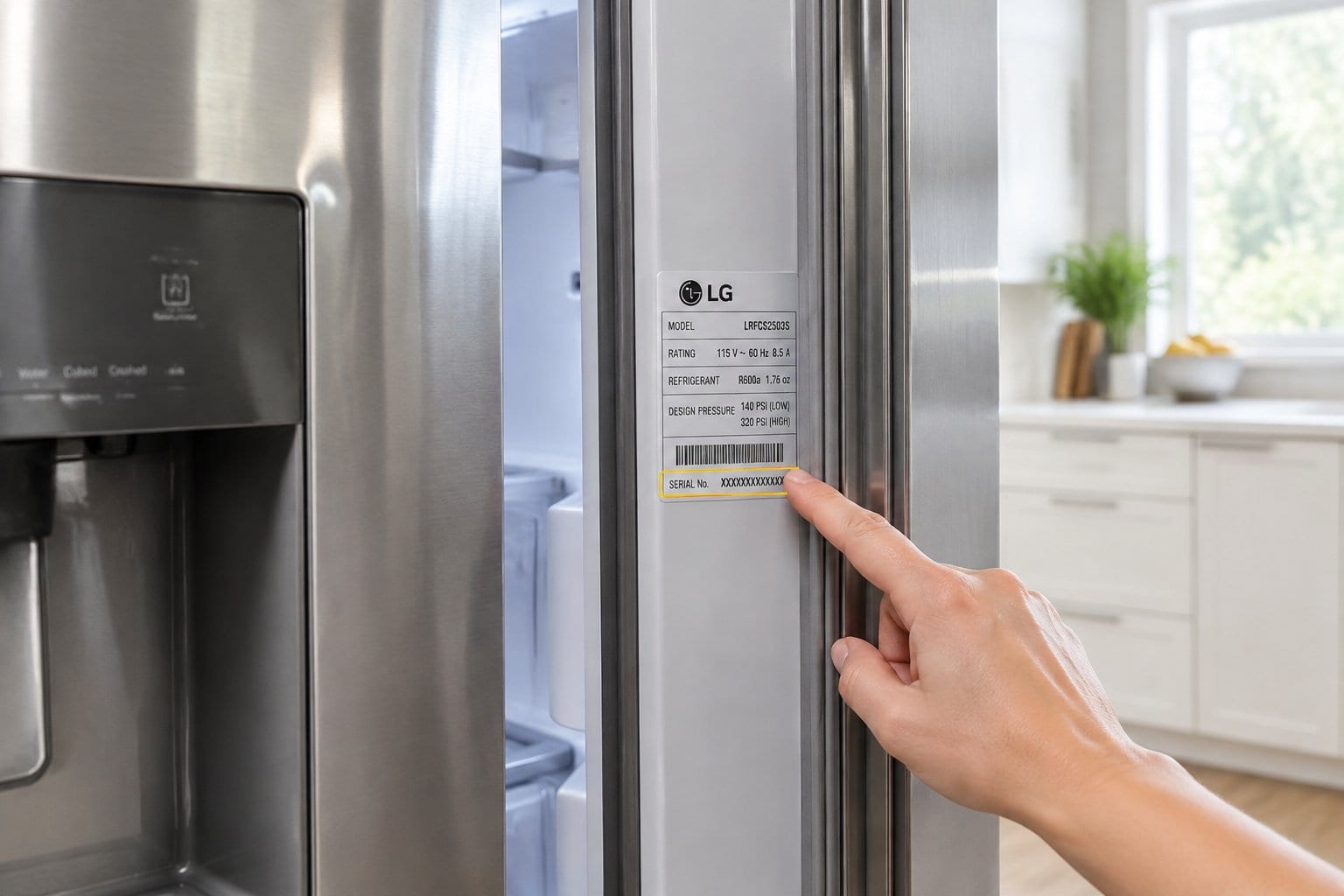
Keep the range's model number, manual, and purchase date together too. You'll need them when ordering a part or when a technician asks which model you have, and organizing your appliance manuals digitally makes it easy to find the right one.
Frequently Asked Questions
How often should I deep-clean my oven?
Most owners self-clean or manually deep clean two to three times a year, depending on use, which GE Appliances' self-clean guidance describes as adequate for typical cooking soil. Wiping up spills once the oven cools reduces how often you need a full deep clean.
How often should an oven or range be serviced?
There's no fixed national standard for professional service intervals, since it depends on usage and the model. Schedule a professional check if you notice uneven heating, persistent igniter clicking, or a burning smell that cleaning doesn't resolve.
What is the average lifespan of an oven or range?
Lifespan varies by brand, fuel type, usage, and how consistently you maintain the range. If you're weighing a repair quote against replacement, this average appliance lifespan chart can help you decide.
Can I clean gas burner holes myself?
Yes. GE Appliances recommends a paper clip or a piece of metal wire from a twist tie, and Whirlpool recommends a straight pin. Whirlpool also warns against using a wooden toothpick and against enlarging or distorting the holes.
How do I know if my range has an anti-tip bracket?
Pull out the bottom drawer and shine a flashlight under and behind the range to look for a metal bracket attached to the floor or wall, as CPSC's range tip-over safety alert describes. You can also slide the range about three inches from the wall to look, then tilt the back toward you; if it moves more than an inch, the bracket isn't engaged.
Keep Your Range's Records and Reminders in One Place
Your range's model number, manual, and maintenance schedule are easiest to use when they live in one spot and remind you when a task is due. Set up your free Manse maintenance scheduler and start with the range.