
A winter bill that is $80 higher than last year tells you very little on its own. Without past bills to compare it to, you cannot tell whether the jump is normal for colder weather or a sign that something in the house is working harder than it should.
A simple monthly log of what you spent and what you used fixes that. This guide covers what to record from each bill, how to find past usage, how to compare bills fairly, and which changes are worth a closer look.
What Should You Record From Each Utility Bill?
Record the billing dates, total cost, and usage amount from every bill, in the unit each utility actually bills in. A single spreadsheet or notebook with these numbers, updated monthly, is enough to spot patterns most homeowners miss because they only look at the dollar total.
Log the Billing Dates, Total Cost, and Usage
Each entry should include the billing period's start and end dates, the total amount due, and the usage figure printed on the bill. The usage figure matters more than the dollar amount, since rates change but usage reflects what is actually happening in the house.
Write these down the same day you pay the bill so the habit sticks. A simple format works:
- Billing period (for example, Sept 12 to Oct 11)
- Total cost
- Usage amount and unit
- Any notes about the month
Track Electricity, Gas, Water, Propane, and Oil in Their Own Units
Electricity, gas, and water each use different units, and mixing them up makes comparisons meaningless. Electricity is billed in kilowatt-hours (kWh), natural gas in therms or hundred cubic feet (CCF), and water in gallons or CCF, where one CCF equals 748 gallons according to the EPA's guide to understanding your water bill. Propane and heating oil are usually billed by the gallon at delivery rather than on a monthly schedule.
Keep each utility in its own column or row. Combining them into one "total energy" number hides the details that actually explain a bill increase.
Note Weather, Household Changes, and New Appliances
A short note next to each entry turns a number into something you can use later. Write down anything unusual: a cold snap, a week with house guests, a new refrigerator, or a work-from-home stretch that kept the house occupied all day.
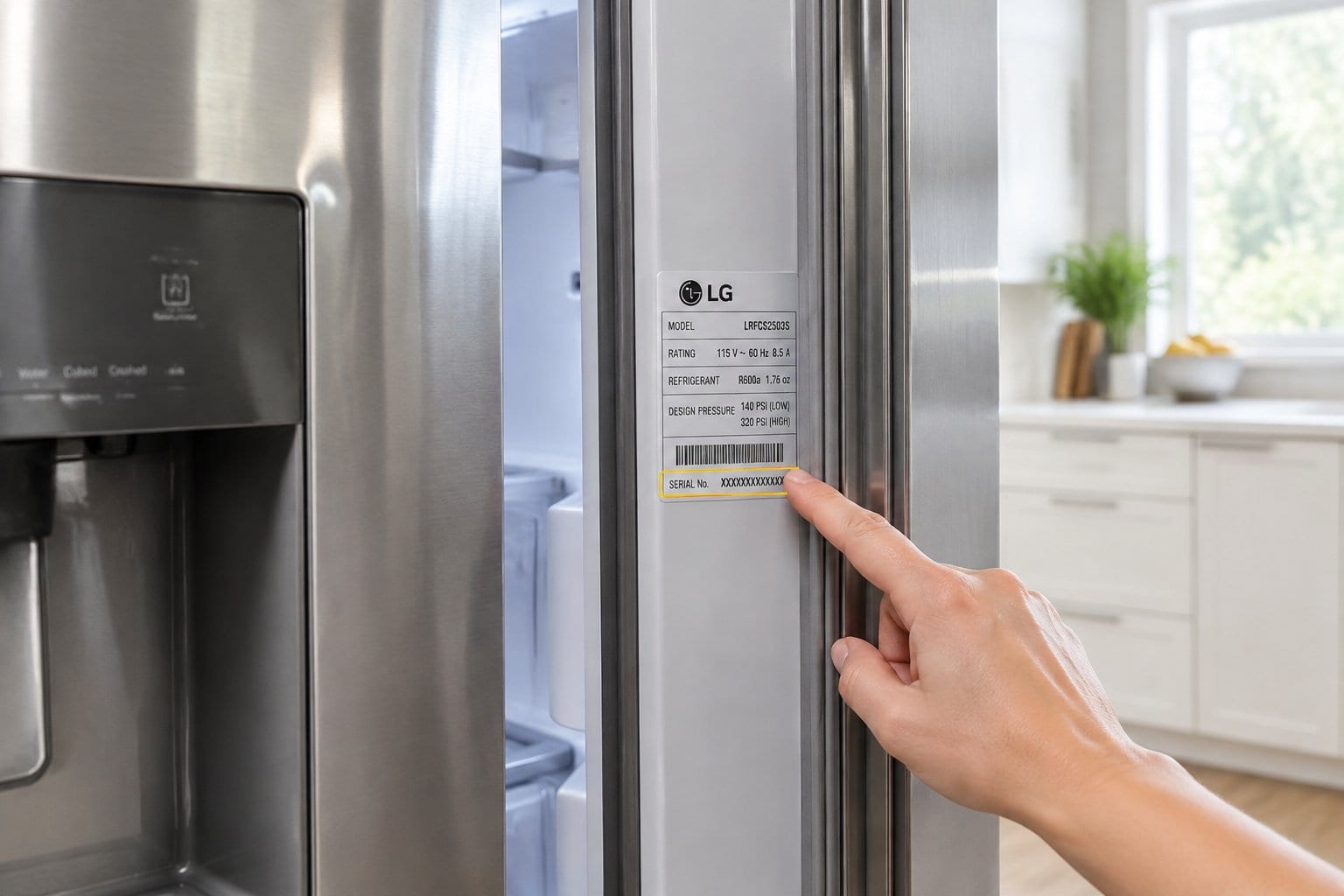
For example, if you bought a new dishwasher in March, a small bump in electric usage that month has an obvious explanation. Keeping the appliance's model number and purchase date alongside your utility notes makes it easy to connect the two if usage keeps climbing.
How Can You Find Past Utility Bills?
Start with your online utility accounts, where many providers show past bills and usage going back a year or more. If your utility shows less than that, you can still build a working record from paper bills, bank statements, or emailed PDFs you already have.
Check Your Online Utility Accounts for Billing History
Log into each utility's website and look for a "billing history," "usage history," or "past bills" section. Many electric and gas utilities also offer a usage download, and some take part in the Department of Energy's Green Button initiative, which lets customers download their energy-use data directly to their computer.
Steps to pull this data together:
- Log in to your electric, gas, and water utility accounts separately
- Download or screenshot at least 12 months of billing history for each
- Record the billing dates, cost, and usage into your tracking log
- Repeat this once a year to keep the record current
Build a Starting Record From the Bills You Have
If online history is limited, old paper bills, bank statements, or saved emails can fill in the gaps. Bank and credit card statements show the dollar amount and date, even without usage, which is still useful for spotting cost trends.
Start with whatever you have on hand rather than waiting for a complete record. Even six months of data is enough to notice whether a new bill looks out of place.
How Do You Compare Bills Fairly?
Compare a bill to the same season from a previous year, not to last month, since weather and daylight hours change usage more than almost anything else. A fair comparison separates three things that often get blamed on each other: how much you used, what you paid per unit, and how many days the bill covered.
Compare the Same Season Across Years
Comparing January to January is fair. January to July is not, because heating and cooling needs are completely different. Comparing the same month across two or three years shows whether an increase is part of a normal seasonal pattern or something new.
Prices also shift from one winter to the next, and not always in the same direction for every fuel. For winter 2025 to 2026, the U.S. Energy Information Administration's Winter Fuels Outlook forecast that households heating with natural gas would spend about 1% less than the previous winter, while homes heating with electricity would spend about 4% more. A few percent shift is normal. A much larger jump in your own bill is worth a closer look.
Separate Higher Usage From Higher Rates
A higher bill can come from using more energy or from paying more per unit, and the fix for each is different. Rates move with the seasons and with fuel costs. Electricity prices are usually highest in summer, when demand is high, according to the EIA's explainer on what affects electricity prices.
Check the usage number first. If usage is flat but the bill went up, the rate likely changed. If usage itself climbed, something in the house is using more energy or water than before.
Account for Billing Periods of Different Lengths
A 35-day billing period will cost more than a 28-day one, even with identical daily usage. Check the start and end dates on each bill before comparing totals, since utilities do not always bill on the same schedule every month.
When periods differ by more than a few days, divide the total cost or usage by the number of days to get a daily average. That daily number is the fairest way to compare two bills of different lengths.
Which Changes Are Worth Investigating?
A water bill that jumps with no change in household habits is the clearest warning sign, since water use should stay fairly steady outside of seasonal irrigation. Rising electric or gas usage over several months, especially without a matching weather pattern, is the second pattern worth a closer look.
Check a Sudden Water Usage Jump for a Possible Leak
Look at your water use in a colder month, such as January or February, when outdoor watering isn't a factor. A family of four using more than 12,000 gallons in one of those months could have a serious leak, according to the EPA WaterSense Fix a Leak Week guidance.
To check for a leak:
- Note your water meter reading
- Avoid using any water for two hours
- Check the meter again
- If the number changed, water is probably leaking somewhere in the system
The same EPA guidance notes that a faucet dripping once per second can waste more than 3,000 gallons a year, and a worn toilet flapper can leak without making a sound. These plumbing maintenance tips cover where hidden leaks usually start.
Look Into Rising Electricity or Gas Usage From Home Systems
Electric or gas usage that climbs over several months, without a matching change in weather, often points to a system working harder than it should. Nearly half of a home's energy goes to heating and cooling, according to ENERGY STAR's heating and cooling guidance, which makes HVAC performance one of the first places to look.
ENERGY STAR also notes that a dirty filter slows airflow and makes the system work harder. If you log each filter change, you can see right away whether a rising bill lines up with an overdue one.
An aging refrigerator or an HVAC system nearing the end of its expected lifespan can show the same slow climb over several billing cycles. When the filter is fresh and usage still keeps rising, check when the system was last serviced against a regular HVAC maintenance schedule before calling a technician.
Make the Next Bill Easier to Explain
A monthly log turns a confusing bill into one you can explain in a sentence. Instead of wondering whether a bill is normal, you can compare it to the same month last year, check the usage number, and see whether it matches a cold snap, a new appliance, or something that needs attention.
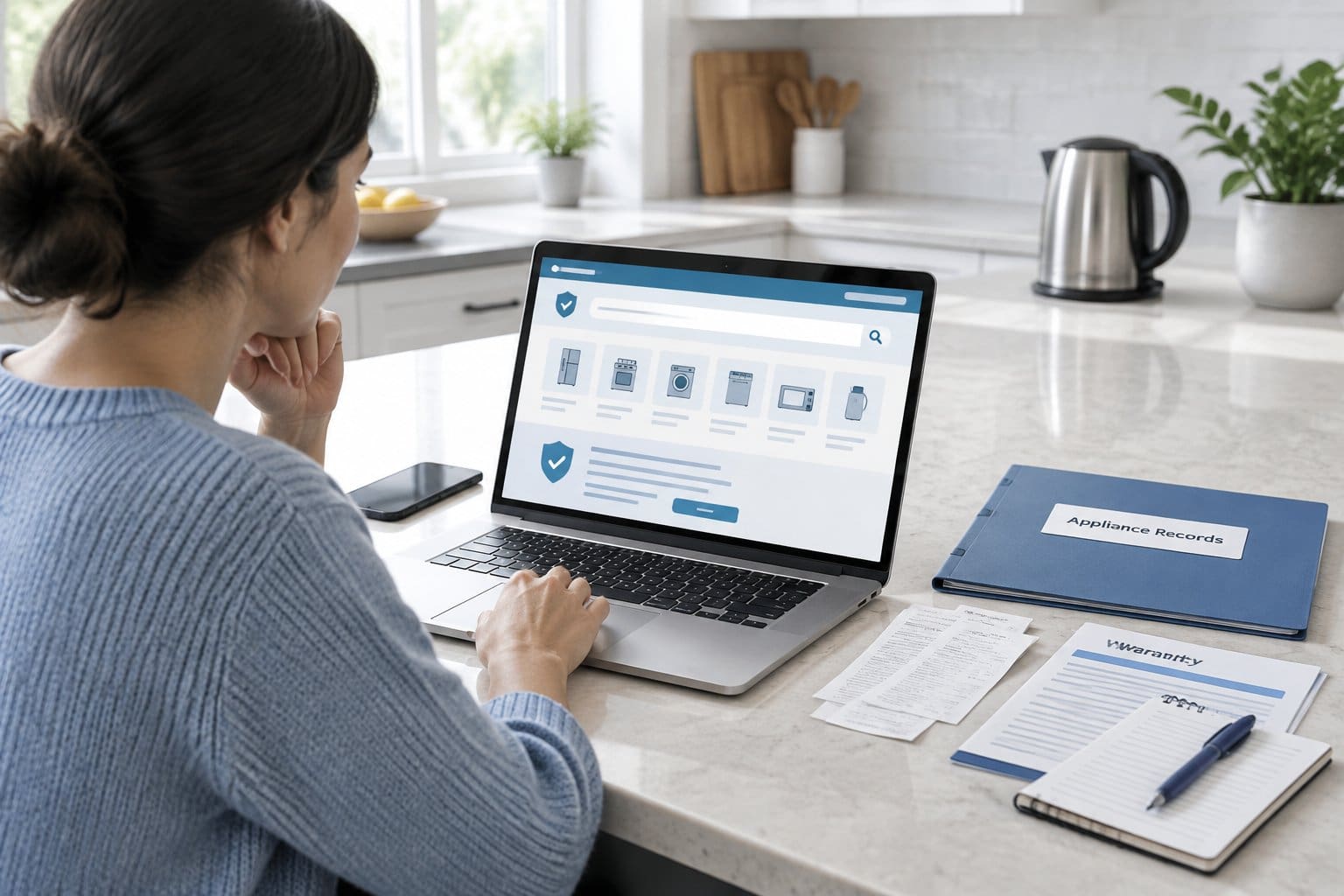
That explanation comes faster when utility records sit next to your appliance and system information. If an electric bill climbs for three months straight, having the HVAC's last service date and the refrigerator's age in the same home profile as your utility notes lets you connect the two without digging through a spreadsheet and a drawer full of manuals.
Frequently Asked Questions
How many months of utility bills should I track?
Twelve months is the minimum needed to compare a bill against the same season last year. Two or three years of history makes patterns, like a rate increase or a slowly aging HVAC system, much easier to spot.
Should I compare utility costs or usage?
Compare usage first, then cost. Usage tells you whether your home is actually consuming more energy or water, while cost can change because of rate adjustments that have nothing to do with your household.
Why is my winter utility bill higher than last year?
It could be colder weather, a rate increase, a new appliance, or more people home during the day. Compare usage for the same month last year first. If usage is flat, higher rates are the likely cause, and the EIA's Winter Fuels Outlook, released each October, shows how heating costs are expected to change by fuel.
How can I track utility costs if I use propane or heating oil?
Log each delivery by date, gallons delivered, and price per gallon, since these fuels are billed per delivery rather than monthly. Over a full heating season, add up the deliveries to compare total cost and total gallons used against the previous year.
Can a higher water bill mean I have a leak?
Yes. A water bill that rises without any change in outdoor watering or household habits often points to a leak, and checking your meter before and after a two-hour period of no water use is a simple way to confirm it. The EPA estimates that fixing easily corrected household leaks can save about 10 percent on a water bill.
Keep Your Bills and Home Records Together
Utility history, appliance ages, and service dates make more sense side by side. Manse keeps them in one private place so the next odd bill has an answer. Start your free home profile.