
If the smell comes from the hot tap but not the cold, the problem is almost certainly inside the water heater. Bacteria in the warm tank turn naturally occurring sulfate into hydrogen sulfide gas, and the tank's magnesium anode rod helps the reaction along. If the cold water smells too, the gas is arriving with your water supply, which is far more common on a private well than on city water.
That distinction decides where your money goes. A heater problem is fixed at the heater, with disinfection and usually a different anode. A supply problem needs a water test and a treatment system. Buying a whole-house filter for a smell that's coming from the tank won't change a thing.
One safety point before anything else. If the smell is in the air rather than the water, hangs around with every tap off, or is strongest near a gas appliance, treat it as a possible gas leak: don't touch any switches, get everyone out and phone the gas utility or 911 once you're outside.
Find Where the Smell Starts
Hot versus cold, at more than one tap
Run the cold tap alone at the kitchen sink for a minute and smell the water. Then run the hot side at the same tap until it's fully hot and smell again. Repeat at a bathroom on another floor. State health departments use the same test. Indiana's Department of Health notes that when the smell only occurs with hot water, the magnesium rod in the water heater may be the cause, and the Minnesota Department of Health (MDH) points to the groundwater or the well when hot and cold both smell.
Notice when it's worst, too. A smell that's strongest first thing in the morning, or when you come home from a trip, comes from water that sat still in a warm tank.
Rule out the drain
Fill a clean glass, walk it to another room and smell it there. Drains hold a film of bacteria, and the odor that rises when water hits the trap is easy to mistake for the water itself. If the glass is fine and only the sink smells, look at that drain, its trap and its vent rather than the heater.
Why Water Heaters Make the Smell
A tank heater is close to ideal for the bacteria involved: warm, dark and low in oxygen. Most tanks are fitted with a magnesium anode rod, which corrodes on purpose to protect the steel. MDH notes that this rod can contribute to turning sulfate into hydrogen sulfide. Long stretches of low use can make it worse, because the water sits warm and still.
The smell is unpleasant but, on its own, says little about safety. MDH points out that the rotten egg odor doesn't relate to the sanitary quality of the water. If you're on a well, though, the smell is a good prompt to have it tested, since bacteria and nitrates don't announce themselves.
Fixing a Heater That Smells
Check the model and warranty first
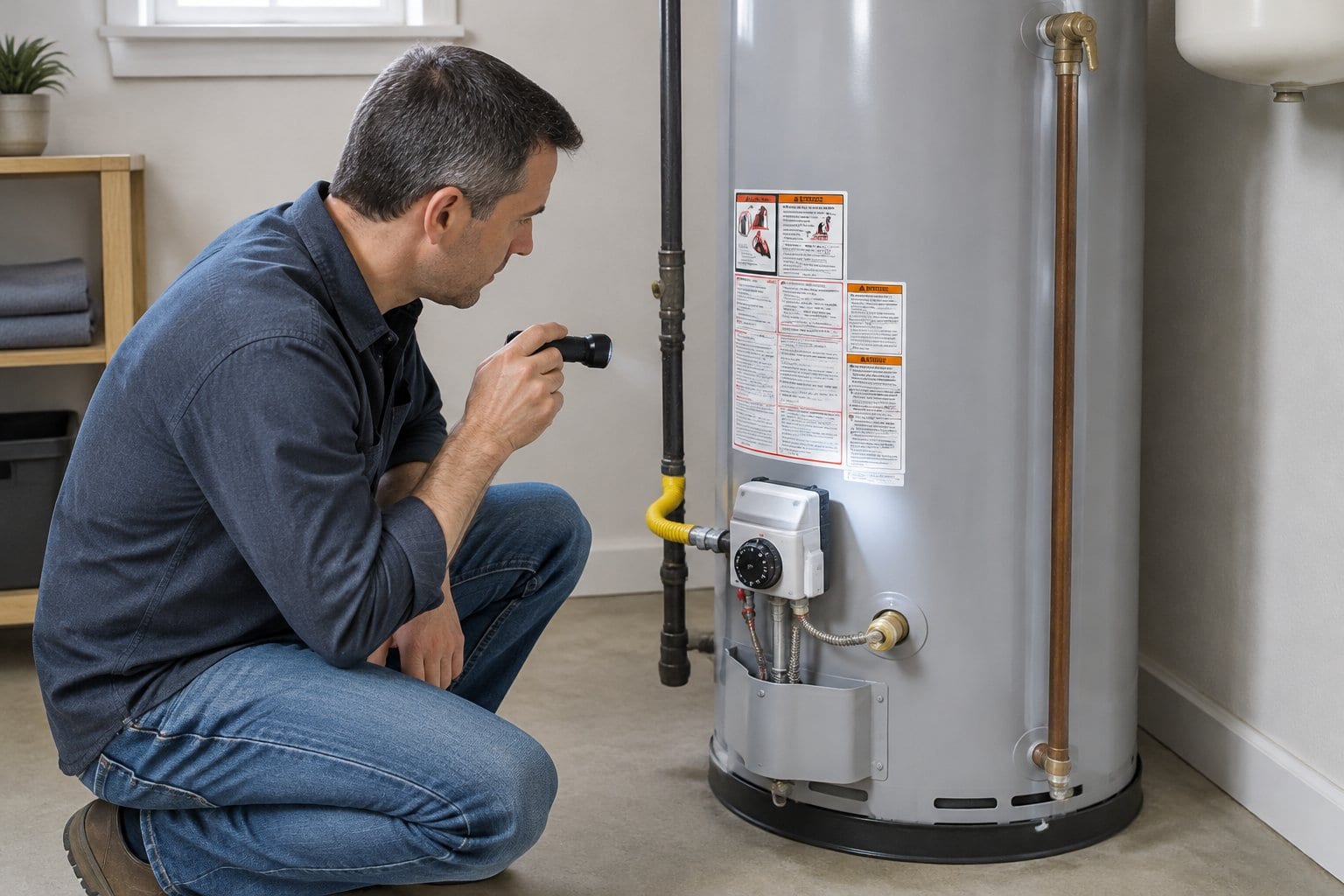
The approved anode materials, replacement part numbers and the disinfection steps all vary by manufacturer and model, and removing or changing the anode can affect the tank warranty. That's a lot riding on the details printed on one small label. Manse identifies the heater from a photo of that rating plate and answers from its manual and warranty terms, so you know which anode replacements the maker approves before anyone buys a part.
Disinfect the tank and flush the lines
Killing the bacteria colony is the first step, and a flush alone rarely does it. Bradford White's guidance for smelly hot water is to drain the hot water system and chlorinate the water heater, and MDH describes the same approach. Done properly, it means the right dose of chlorine for the tank size, the right contact time, then flushing every hot water line in the house. That's a job for a plumber following the manufacturer's procedure. Never mix chemicals, and don't pour in an unmeasured amount of bleach.
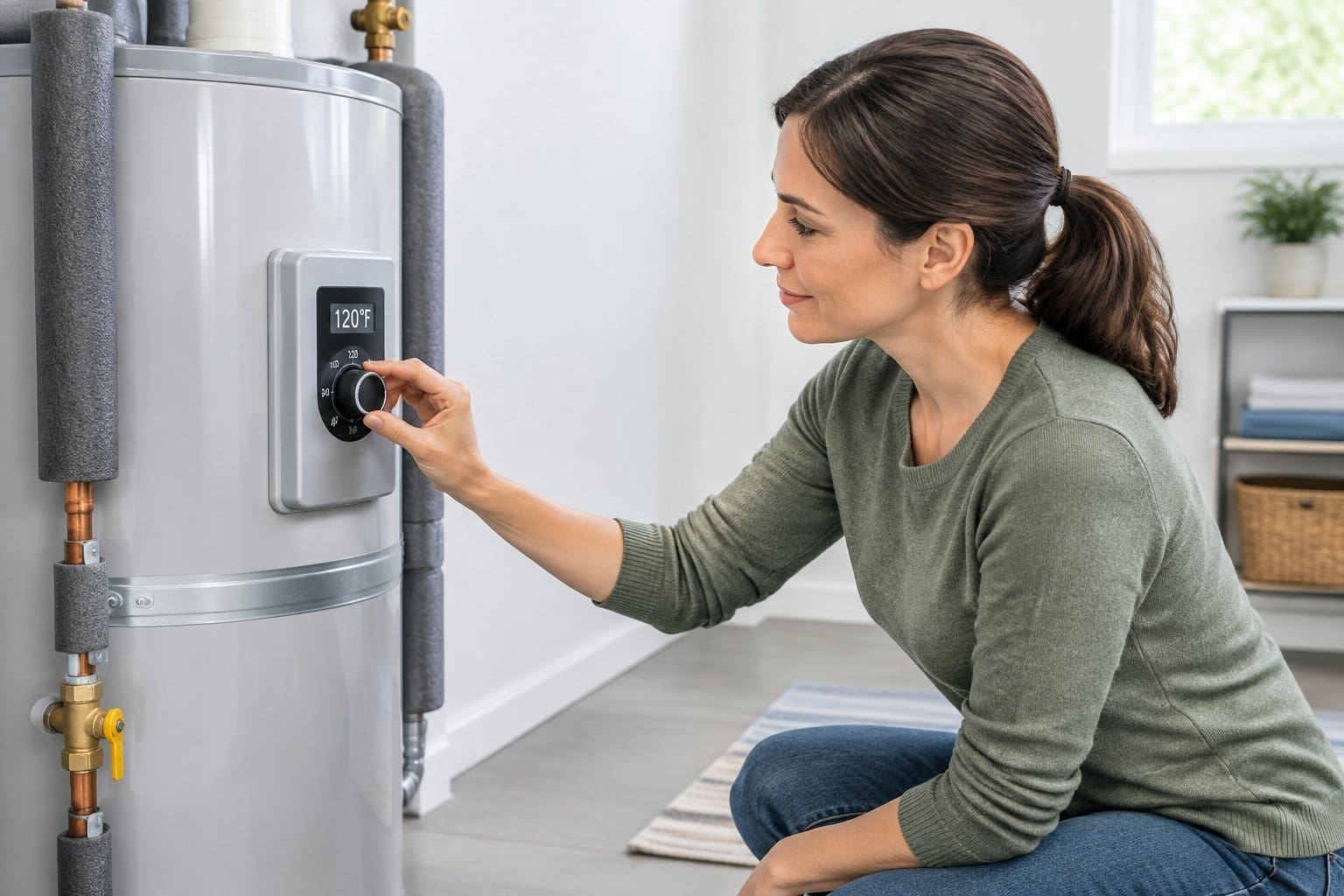
MDH also describes raising the heater to 160°F for several hours to kill the bacteria, and warns that doing so is dangerous. Water that hot can cause a serious burn in under two seconds. If a plumber uses this method, make sure everyone in the house knows, and that the thermostat goes back to its normal setting afterward.
MDH cautions that if chlorination doesn't kill every bacterium, the smell can come back within a few weeks. That's why disinfection is usually paired with the next step.
Change the anode, don't remove it
Swapping the magnesium rod is usually what makes the fix last. An aluminum or aluminum-zinc rod reacts far less with sulfate, and a powered anode protects the tank with a small electric current from a wall outlet, with no metal dissolving at all. MDH notes that a replacement anode can keep the corrosion protection without contributing to the smell.
What you should not do is pull the rod and leave it out. The smell goes away for a while, and the tank starts to rust from the inside. MDH warns that removing the anode may significantly shorten the heater's life.
Write down what was done and when: the disinfection method, the new rod material, any test results. If the smell returns, that history is the first thing a plumber will ask for. Our note on keeping a water heater service record covers the essentials.
When the Supply Is the Source
If hot and cold taps both smell, check an outdoor spigot as well. A smell there means the gas is coming in before the water reaches your plumbing. On city water that's unusual enough to report to the utility. On a well, the gas can come from the groundwater itself or from sulfur bacteria living in the well, pressure tank or pipes.
Ask a certified lab to test for hydrogen sulfide, sulfate, iron and manganese, plus coliform bacteria and nitrates while they're at it. Hydrogen sulfide escapes from a sample quickly, so follow the lab's collection instructions to the letter.
The results decide the equipment. MDH lists activated carbon as suitable for low hydrogen sulfide levels (below about 1 mg/L) and oxidizing filtration for levels up to about 6 mg/L, and recommends a licensed well contractor for shock chlorinating a well with sulfur bacteria. A water treatment professional can size a system to your flow and chemistry.
When to Call a Professional
- The smell returns within weeks of disinfection and an anode change.
- The tank is leaking, the drain valve won't close or the anode rod is seized solid.
- You see scorched wiring or smell burning plastic near an electric heater.
- Water quality changed suddenly after flooding or work on the well pump.
Never climb into a well pit to investigate an odor; gases can collect in enclosed spaces.
Frequently Asked Questions
Can I shower while the hot water smells?
In most homes with a heater-related odor, yes. Run the bathroom fan or open a window. If anyone feels eye or throat irritation, stop and have the water and the space checked.
Why did the smell start after we installed a new water heater?
New heaters usually ship with a fresh magnesium anode, and the same water chemistry starts the same reaction. Replacing the heater does nothing about the sulfate or bacteria in your water. Ask the installer to fit an anode the manufacturer approves for odor problems.
How long should I run the tap to clear it?
If it's from water that sat over a trip, a few minutes of running each hot tap usually clears it. If the smell is still there after you've used a full tank's worth, running water won't solve it, and it's time for disinfection and an anode change. For other heater warning signs, our guide to water heater symptoms and their causes is a useful next read.
Does a water softener make it worse?
It can. Softened water is more conductive and changes how the anode behaves, which is one reason softened homes often do better with an aluminum or powered anode. Our plumbing maintenance tips cover the softener's own upkeep.
Fix the Smell Without Risking the Warranty
The right anode, the approved disinfection method and whether the warranty still applies all come down to the heater on your wall. Give Manse a photo of the heater's label and it works out the exact model, then checks your options against that model's manual, warranty and recall history, and the plumber's invoice can sit in your home's folio ready for next time. Learn how Manse works.