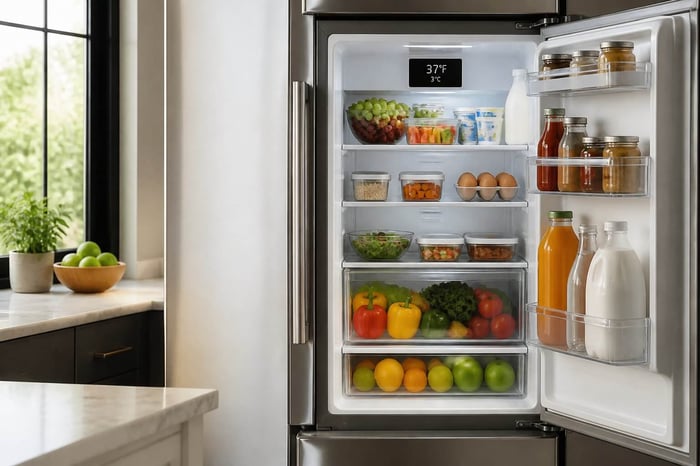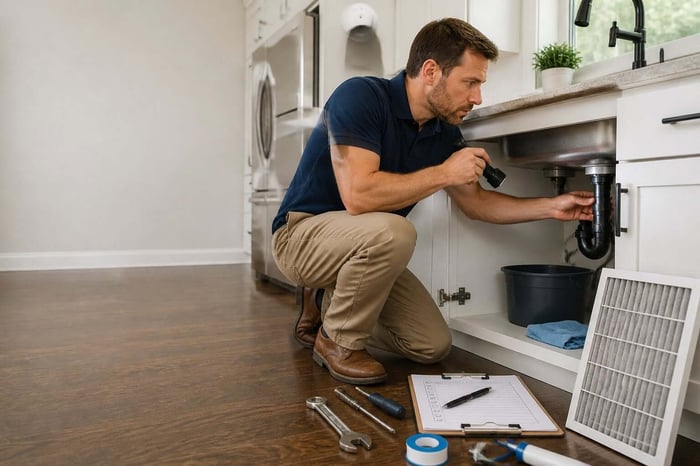

A fridge that stopped cooling overnight, a water heater that no longer runs warm, or a drawer full of manuals you can never find when you need them. These are the moments that push most people to finally search for home maintenance tips. The truth is that most expensive home repairs start as small, ignorable problems that had warning signs weeks or months earlier.
You are not the only homeowner who has stood in front of a leaking appliance wondering if this is a five-minute fix or a five-hundred-dollar one. Manse exists for exactly that moment, giving homeowners a private place to log appliance models, warranty dates, and maintenance history so the next surprise is easier to handle.
In this guide, you'll find the maintenance tasks that matter most, organized by system and season, plus the warning signs that mean it is time to call a professional. No jargon, no filler, just what you need to fix the problem and keep a record for next time.
Start With the Tasks That Prevent the Costliest Damage
Water stains on a ceiling or a musty smell in the basement rarely show up out of nowhere. They usually follow months of a small leak, a clogged gutter, or a foundation crack nobody looked at closely. Insurance Information Institute data shows water damage and freezing are among the most common and costly homeowners insurance claims, and most of it is preventable.
Homeowners who keep a running home maintenance checklist tend to catch these signs early, before a professional plumber or foundation specialist becomes necessary. Manse gives you a spot to note when you last checked the sump pump or had a home inspection, so patterns are easier to spot over time.
Water causes the most expensive damage of any category here, so it's the right place to start.
Stop Water at the Source
Water damage is one of the most preventable and most costly issues a home can face. A few habits go a long way:
Check your water bill monthly for unexplained spikes that could signal a hidden leak.
Test your sump pump twice a year, especially before spring rains.
Snake slow drains early instead of waiting for a full clog.
Flush your water heater annually to clear mineral buildup. If it's already showing other symptoms, this Water heater problems guide walks through what each one usually means.
Keep Roof Runoff Away From the Foundation
Gutters do more work than most homeowners realize. When they clog, water pools near the foundation instead of draining away from it.
Clean gutters twice a year, in spring and fall, and confirm downspouts are still attached and pointing away from the house. This single habit helps prevent both foundation problems and basement flooding.
Catch Structural and Roof Warning Signs
Damaged shingles, granules in the gutter, or daylight in the attic all point to roof trouble. A twice-yearly inspection, either by you or a roofer, catches issues while they are still small repairs.
Foundation cracks deserve the same attention. Hairline cracks are common, but wide or spreading cracks should be reviewed by a structural engineer before they affect your home's resale value.
Keep Heating, Cooling, and Air Clean
A furnace that struggles to warm the house or an air conditioner running nonstop in July usually points back to one thing: a dirty filter or a system that has not been serviced in a while. It is an easy problem to ignore until the energy bill arrives.
Once your HVAC system is running properly again, that is a good moment to note the filter size, the last service date, and the technician's contact information somewhere you will actually find it again. Manse keeps that kind of maintenance record in one private place instead of scattered across texts and paper receipts.
Here are the seasonal habits that keep your HVAC system efficient and your indoor air quality high.
Replace Filters Before the System Works Harder
A dirty furnace filter forces your system to work harder, which raises energy bills and shortens the equipment's lifespan. Most HVAC filters need replacing every one to three months, more often if you have pets.
Mark the filter size on the frame itself so you are not guessing at the hardware store.
Book Seasonal Service and Check Airflow
Schedule a professional tune-up each spring for cooling; Manse's air conditioner maintenance checklist covers what that visit should include, and each fall for heating, where the furnace tune-up checklist does the same for your furnace. A technician can catch small issues, like a failing capacitor or low refrigerant, before they cause a full breakdown.
Between visits, check that vents are open and unblocked by furniture to keep airflow and energy efficiency on track.
Reduce Drafts Around Openings
Gaps around windows and doors let conditioned air escape, forcing your system to run longer. Feel for drafts on a windy day and reseal with weatherstripping or caulk where needed.
This small step protects both your comfort and your energy bills.
Maintain the Appliances and Safety Systems You Rely On
A dryer that suddenly takes three cycles to dry a load, or a security camera that stopped recording without anyone noticing, are the kind of quiet failures that build up over time. Most trace back to buildup, dust, or a battery nobody checked.
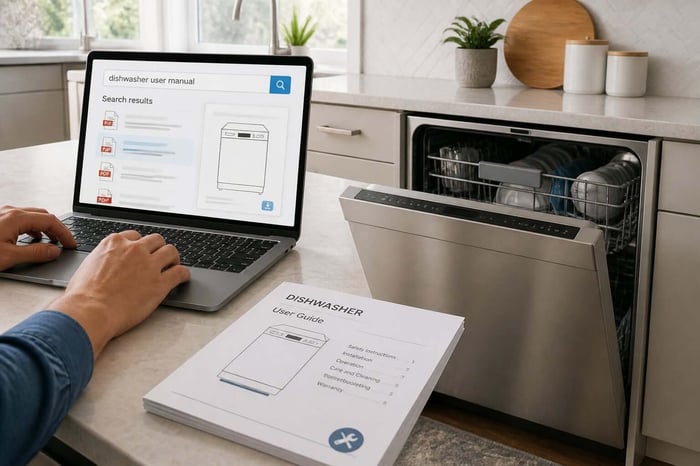
Once these systems are working again, it helps to know where you stored the manual or the warranty card. Manse's guide to appliance manuals covers where to look if you've misplaced one, and keeps appliance details, from your generator to your home security setup, organized and private so you are not searching through drawers during an emergency.
These are the maintenance habits that keep your appliances and safety systems reliable year-round.
Clear Lint, Grease, and Dust Buildup
Dryer vents clogged with lint are a leading cause of house fires; NFPA data shows dryers account for the large majority of dryer/washer fires, and refrigerator coils covered in dust force the compressor to work harder. Both should be cleaned at least once a year.
A shop vacuum and a coil brush handle most of this work without a professional visit.
Test Emergency and Security Equipment
Generators, smoke detectors, and security cameras only help if they work when needed. Test your generator under load a few times a year, and check camera batteries and connectivity monthly.
Handle Small Plumbing Clogs Safely
A slow bathroom sink or a clogged toilet often responds to a simple plunger before it becomes a call to a plumber. Avoid chemical drain cleaners, which can damage older pipes over time.
Protect the Exterior Before Weather Does More Damage
Peeling exterior paint, a wobbly garage door, or a deck board that has started to warp are easy to walk past every day until they are not. Weather does not wait for a convenient time to make small problems worse.
Once repairs are made, it is worth noting what was used, whether it was a specific paint color or a hardware part, somewhere central. Manse keeps that kind of home improvement history so future projects start with information instead of guesswork.
Here are the exterior maintenance habits that protect curb appeal and structural integrity.
Clean, Seal, and Repair Outdoor Surfaces
Wash siding with a pressure washer once or twice a year, using a wide nozzle setting to avoid damage. Touch up exterior paint where it has started to chip, since bare wood absorbs moisture and can lead to rot.
Use Landscaping to Improve Drainage and Appearance
Landscaping does more than boost curb appeal. Grading soil away from the foundation and trimming plants back from siding both reduce moisture problems near the house.
Inspect Doors, Decks, and Garage Hardware
Check garage door maintenance points like rollers and springs twice a year, and look over deck boards and railings for soft or splintering wood. While outside, do a quick pest control check around the foundation to catch entry points before they become an infestation.
Turn Seasonal Work Into a Lasting Routine
Trying to remember every task on a home maintenance checklist from memory is how gutters go two years without cleaning and how a filter gets forgotten until the system struggles. A routine solves that problem before it starts.
This is where a spring cleaning checklist and a simple tracking habit work together. Manse lets you log completed tasks and get reminders before the next one is due, so nothing depends on memory alone.
Here's how to build a maintenance rhythm that protects your home value over time.
Set Up a Spring Reset
Spring is the natural reset point after winter wear. Walk the exterior, check for cracked caulk around windows, and grab a caulk gun to reseal gaps before summer heat and rain arrive.
Track Monthly Checks and Annual Service
Break home maintenance tasks into monthly, seasonal, and annual buckets:
Monthly: check filters, test detectors, inspect visible plumbing.
Seasonal: clean gutters, service HVAC, wash exterior surfaces.
Annual: flush water heater, inspect roof, review foundation.
Know When a Small Issue Needs a Pro
Not every task is a DIY job. Electrical work, gas line issues, and major foundation cracks call for a licensed professional rather than a weekend fix.
Frequently Asked Questions
What should be on a monthly home maintenance checklist?
Check HVAC filters, test smoke and carbon monoxide detectors, and look under sinks for slow leaks. Also glance at exterior faucets and the water heater area for any moisture that was not there before.
What are the most important home maintenance tasks to do every year?
Flush the water heater, have the HVAC system professionally serviced, and inspect the roof and gutters. These four tasks prevent most of the expensive, unexpected repairs homeowners face.
What is the most overlooked home maintenance task?
Dryer vent cleaning is one of the most skipped tasks, despite being a real fire risk when lint builds up. Refrigerator coil cleaning is a close second, since dust buildup quietly shortens the appliance's lifespan.
How can new homeowners keep track of repairs, warranties, and service records?
A dedicated home profile works better than scattered receipts or photos on a phone. Manse keeps warranty dates, model numbers, and service history in one private place you control.
Which parts of a house need the most regular maintenance?
The roof, HVAC system, water heater, and gutters need the most consistent attention, since failures in these areas tend to be the most expensive to fix. Appliances like the refrigerator and dryer follow close behind.
What home maintenance tasks should be done before summer and winter?
Before summer, service the air conditioner and check for drafts around windows. Before winter, drain outdoor faucets, seal gaps with a caulk gun, and confirm the furnace filter is fresh.
Keeping Your Home a Step Ahead
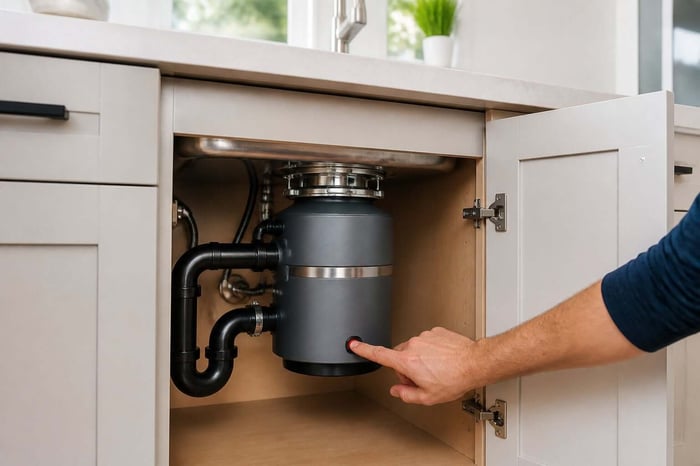
Home maintenance tips only help if they turn into habits, and habits only stick when they are easy to track. A tank that starts leaking or a disposal that stops responding are less stressful when you already know the model number and whether the warranty still applies.
That is the practical payoff of pairing regular upkeep with organized records. Home repair decisions get faster, home value holds steadier, and homeownership feels less like guesswork and more like a system you control.
When you are ready, set up a free home profile in Manse. It takes a few minutes, requires no credit card, and gives your home's records a lasting, private place to live before the next problem shows up.